



Description
Introduction
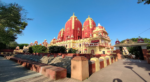
Laxminarayan Mandir, popularly known as Birla Mandir, is a prominent Hindu temple located in New Delhi, India. The temple is dedicated to Lord Vishnu (Narayan) and his consort Goddess Lakshmi, symbolizing prosperity, preservation, and divine grace. It is one of the major religious landmarks of the capital city.
Location
The temple is situated on Mandir Marg in central New Delhi. Its prime location and impressive structure make it easily accessible to devotees and tourists from across the country and abroad.
Presiding Deities
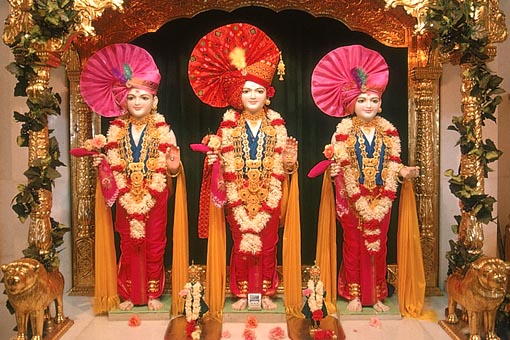
The main deities worshipped in the temple are Laxminarayan, representing Lord Vishnu along with Goddess Lakshmi. The temple complex also houses shrines dedicated to other Hindu deities, enhancing its spiritual importance.
Historical Background
The temple was built by the Birla family and was inaugurated in 1939 by Mahatma Gandhi. During the inauguration, Gandhi emphasized that the temple should be open to people of all castes, promoting equality and social harmony.
Architecture
Laxminarayan Mandir showcases a blend of modern and traditional Nagara-style architecture. The temple is beautifully constructed with red sandstone and white marble, featuring intricate carvings, tall spires, and spacious halls.
Religious and Social Significance
The temple is not only a place of worship but also a symbol of unity and inclusiveness. Gandhi’s condition that people of all castes be allowed entry marked an important step toward social reform and equality in religious spaces.
Festivals and Devotion
Major Hindu festivals such as Janmashtami, Diwali, and Ram Navami are celebrated with great enthusiasm. Devotees gather in large numbers to participate in prayers, aartis, and special ceremonies.



Leave feedback about this