




Description
Introduction
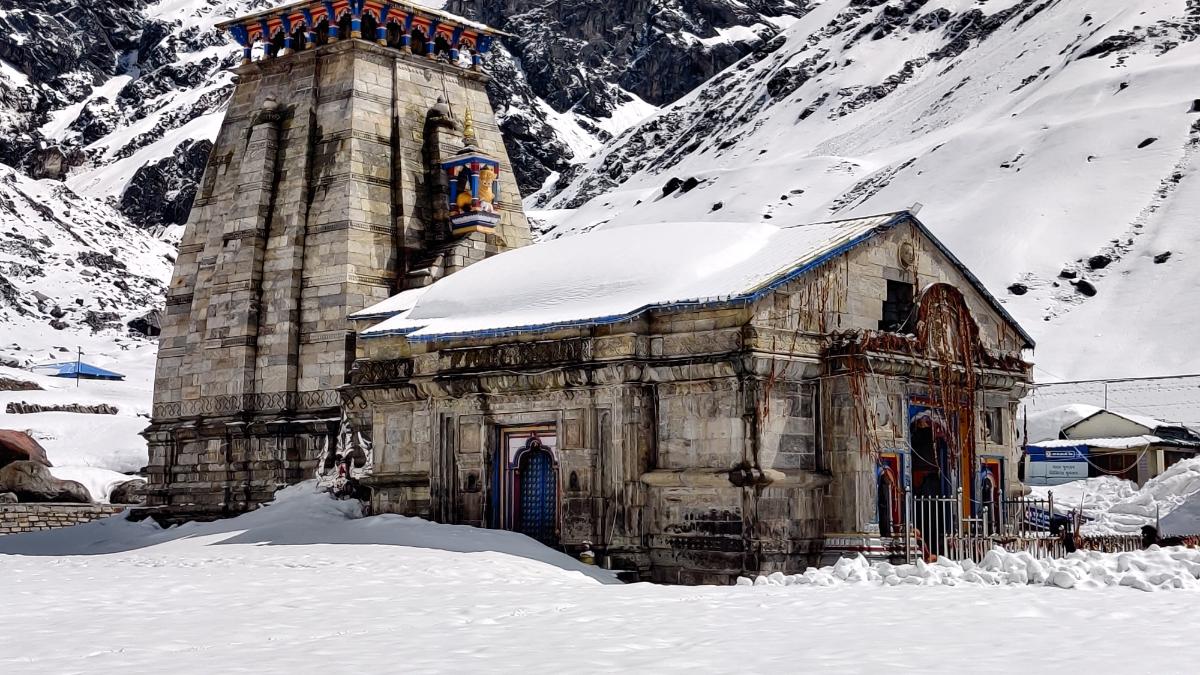
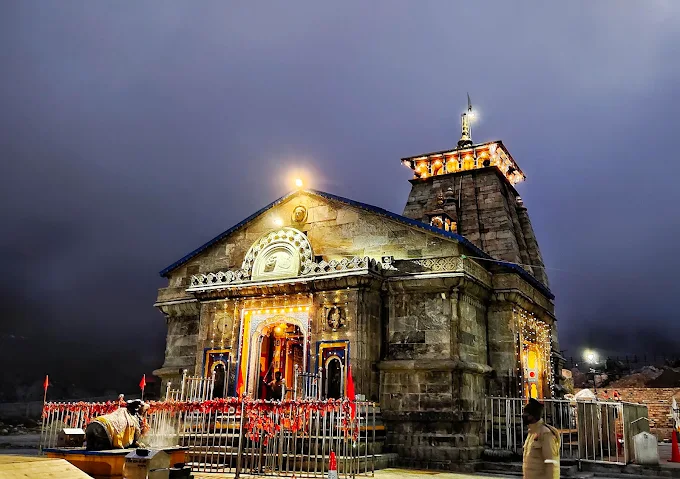
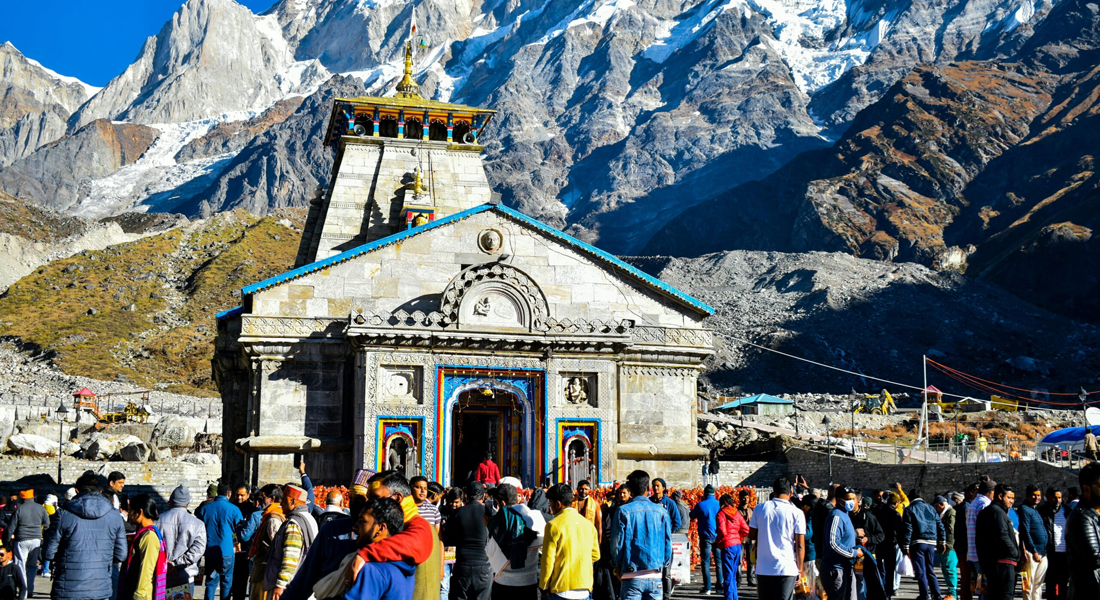
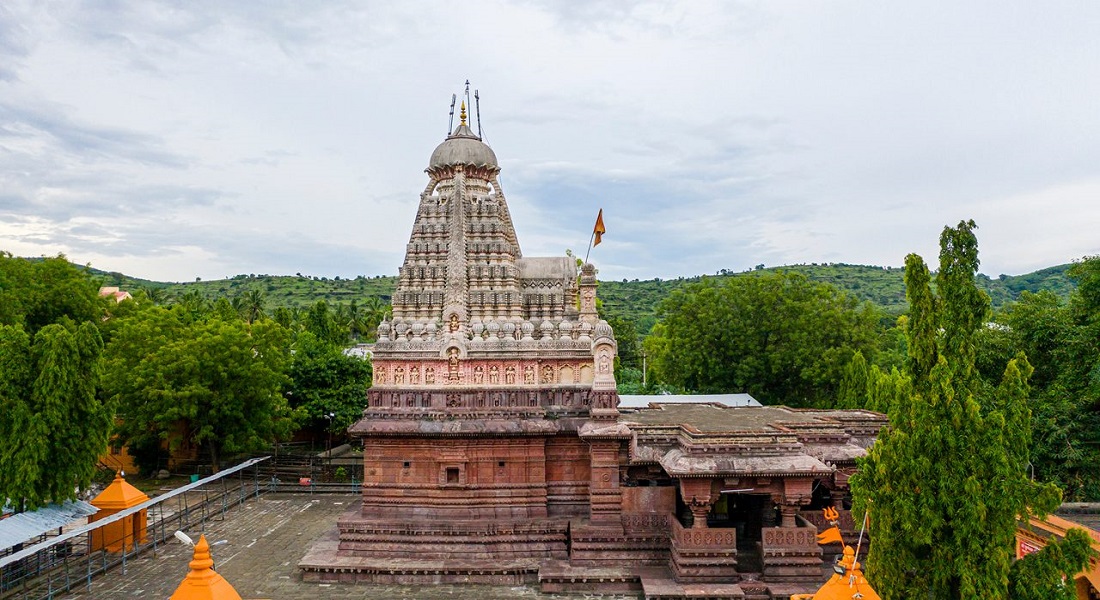
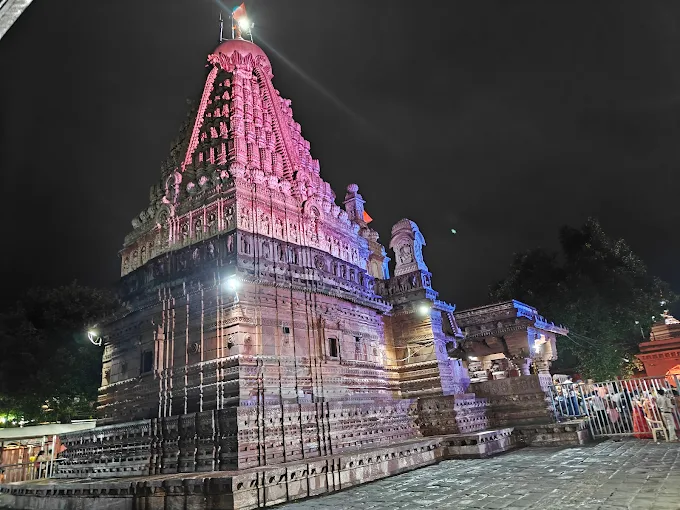
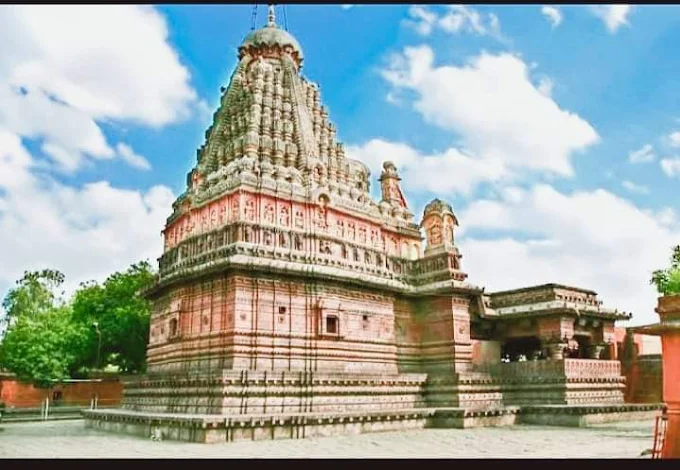
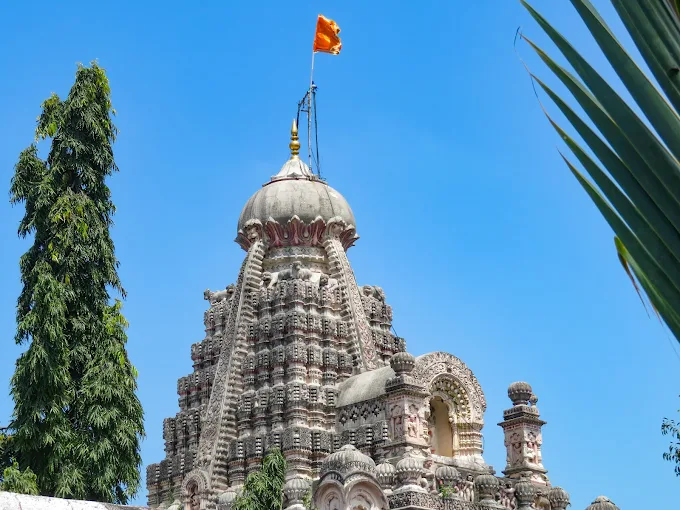
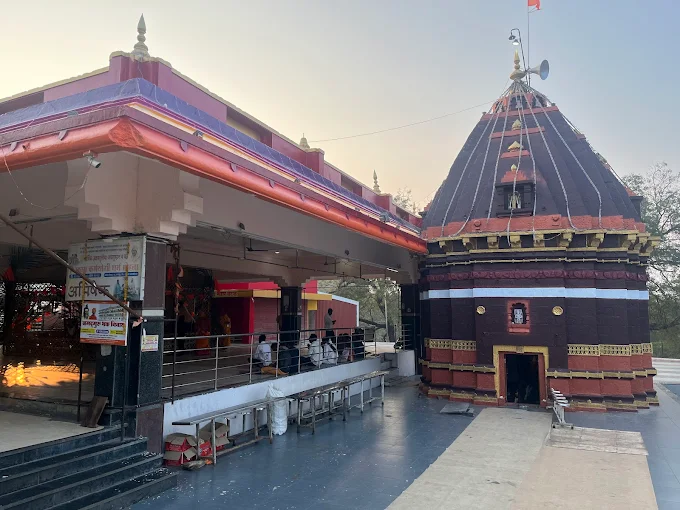
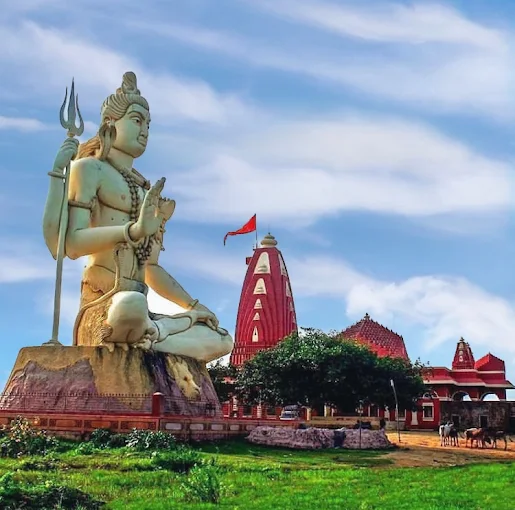
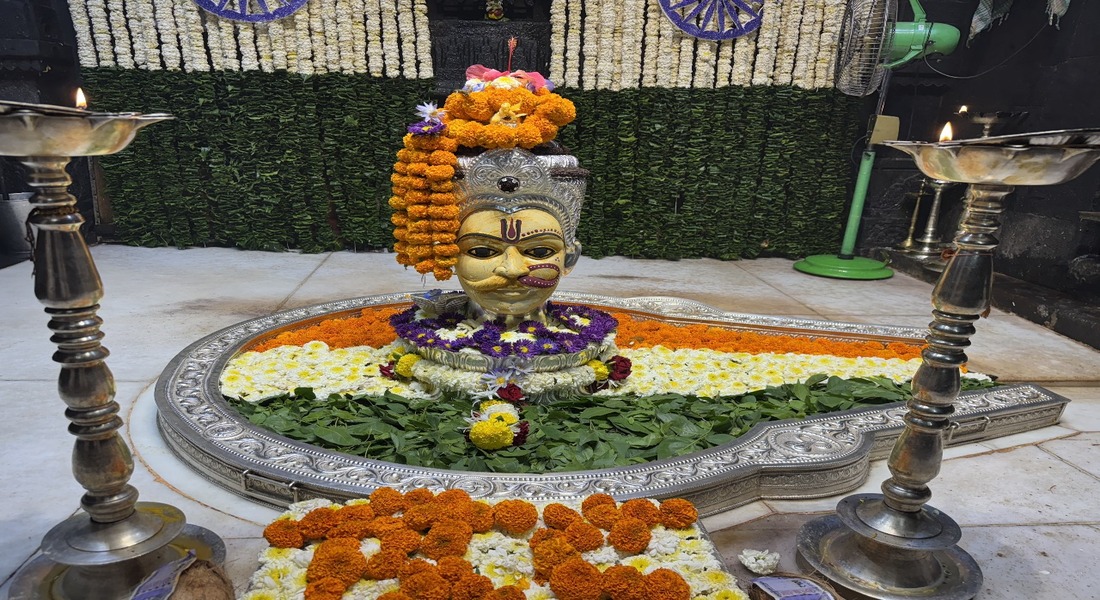
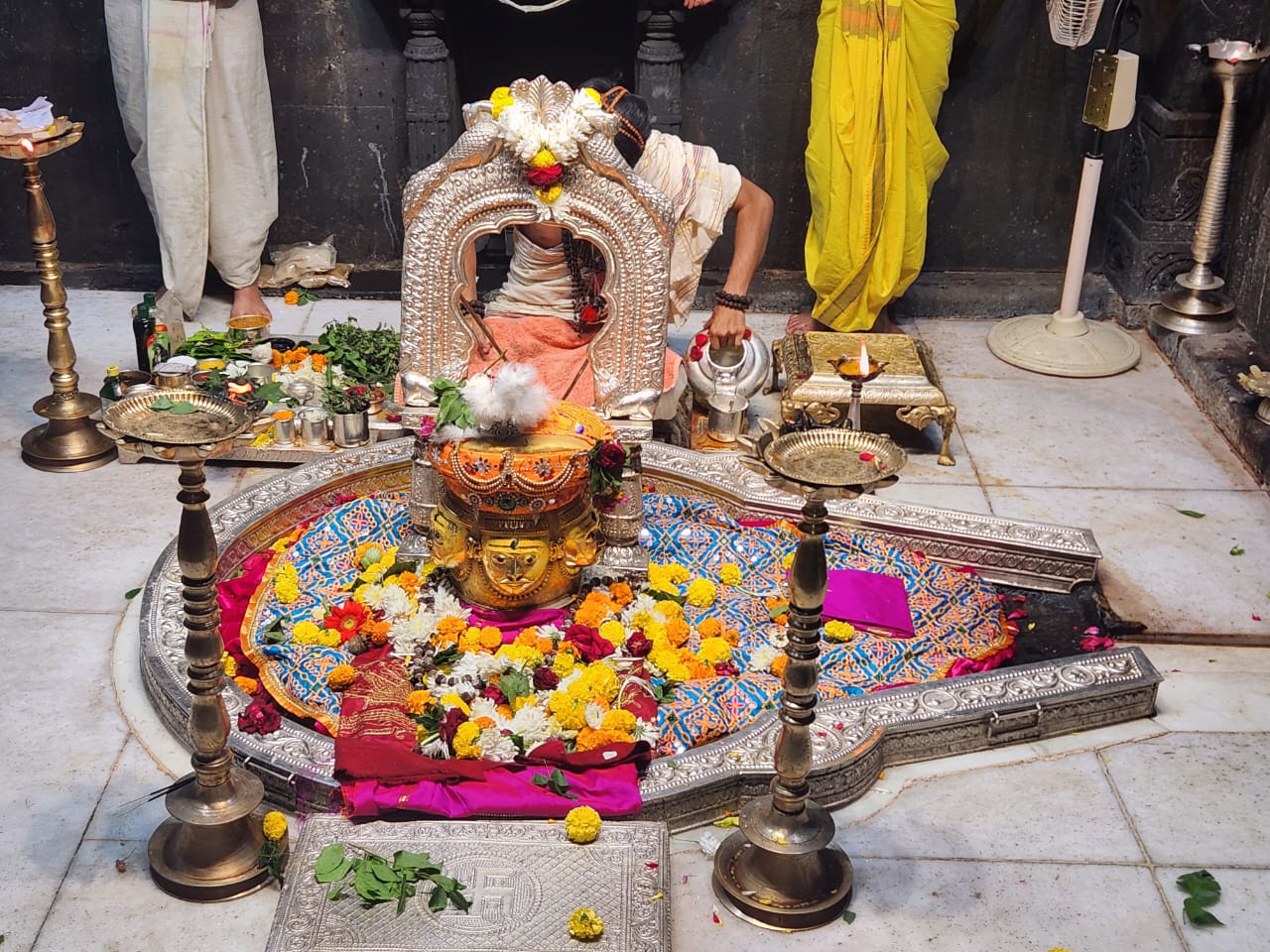
Kedarnath is a renowned Hindu pilgrimage site located in the Garhwal Himalayas of Uttarakhand, about 221 km from Rishikesh. It is one of the twelve Jyotirlingas of Lord Shiva and an important part of the Char Dham Yatra.
Location and Surroundings
Situated at an altitude of around 3,580 meters, Kedarnath lies near the holy Mandakini River against the backdrop of the Kedarnath mountain range. Snow-covered peaks, rhododendron forests, and a serene environment enhance its spiritual charm.
Historical and Mythological Significance
The temple is believed to have been constructed or revived by Adi Shankaracharya in the 8th century A.D. According to mythology, the Pandavas worshipped Lord Shiva here to seek forgiveness after the Mahabharata war.
Religious Importance
Kedarnath is highly revered by devotees of Lord Shiva. A visit to the temple is believed to cleanse sins and help attain moksha (salvation).
2013 Floods
The temple survived the devastating 2013 Uttarakhand floods, which strengthened devotees’ faith and added to its sacred significance.
Opening, Closing & Best Time to Visit
The temple opens in April/May and closes around November due to heavy snowfall. The best time to visit is from April to June and October to mid-November.
Conclusion
Shri Kedarnath Jyotirlinga Temple stands as a powerful symbol of faith, devotion, and resilience, attracting pilgrims and spiritual seekers from across the country.
Map View
Location
Invalid YouTube URL










Leave feedback about this