






Description
Introduction
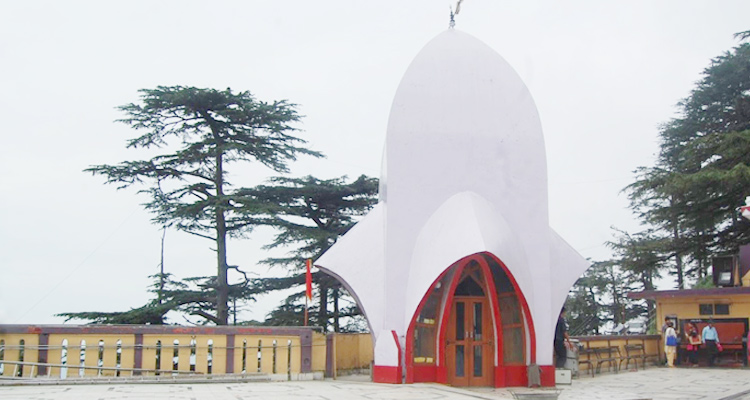
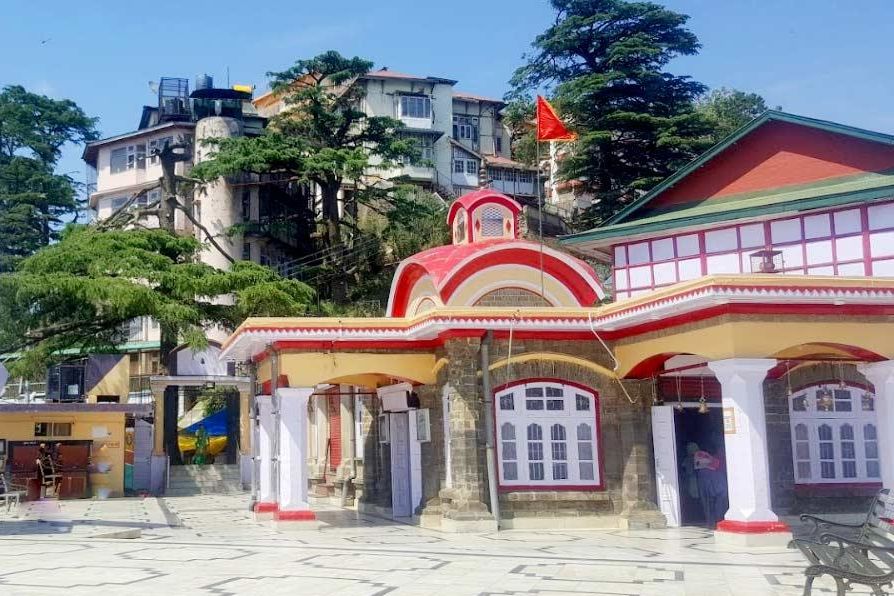
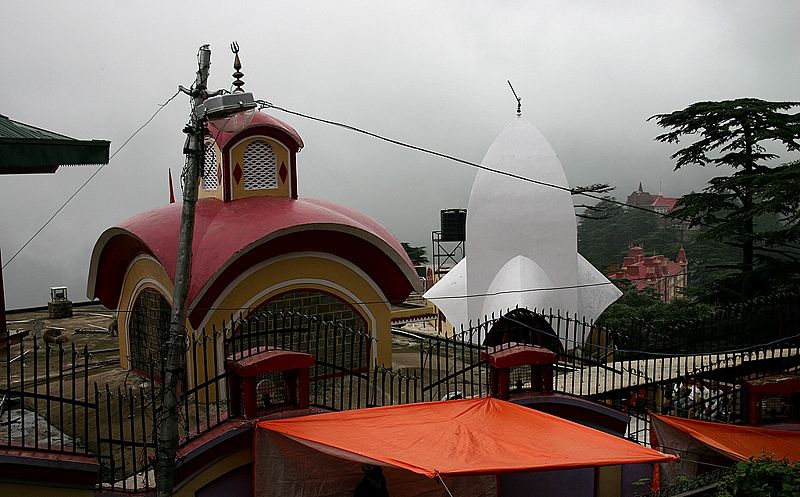
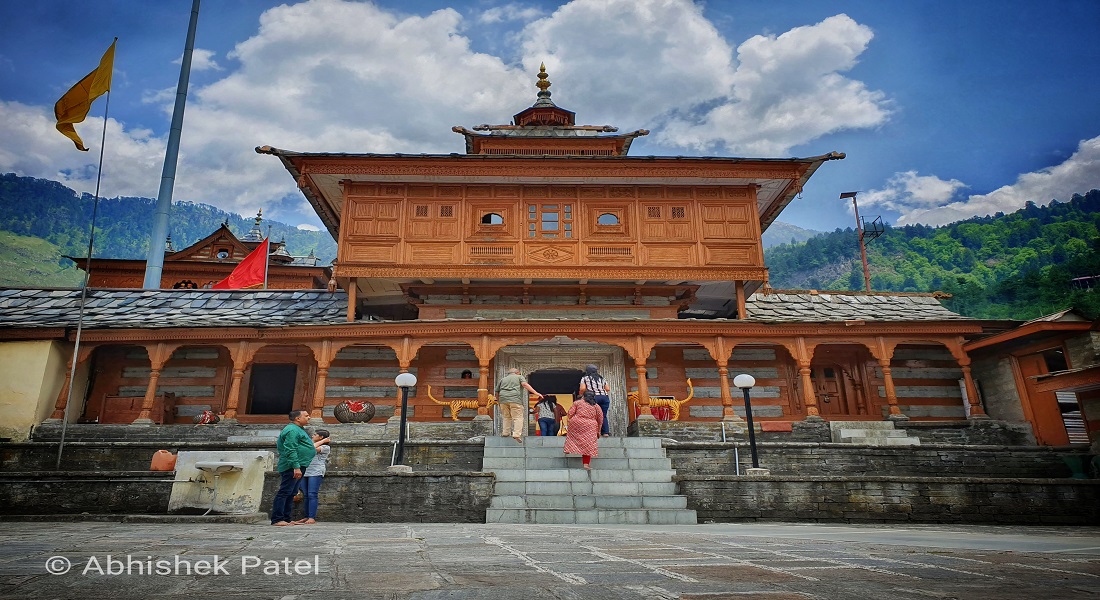
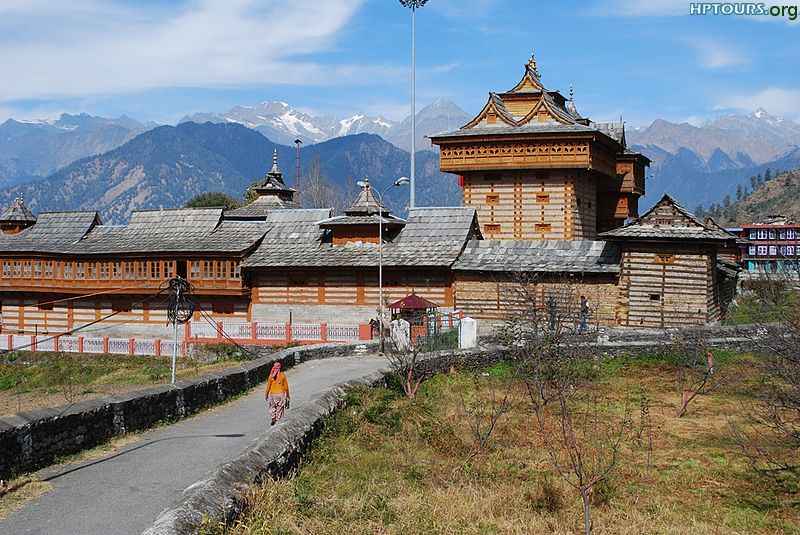
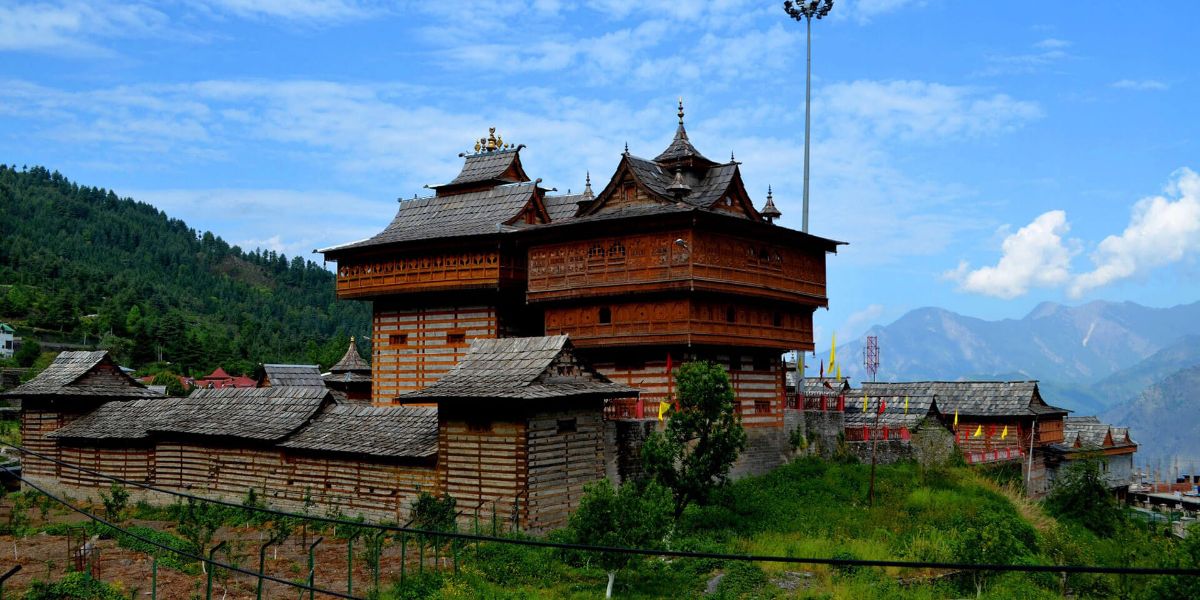
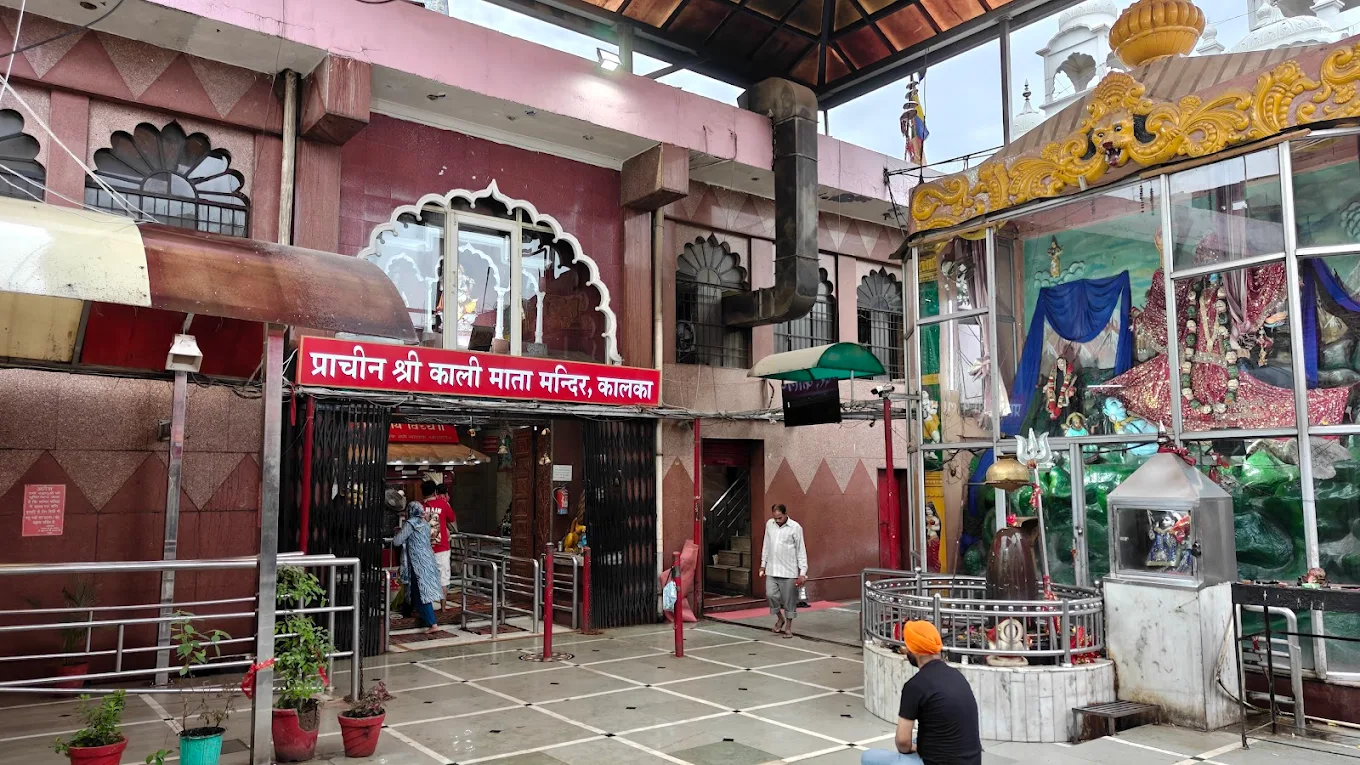
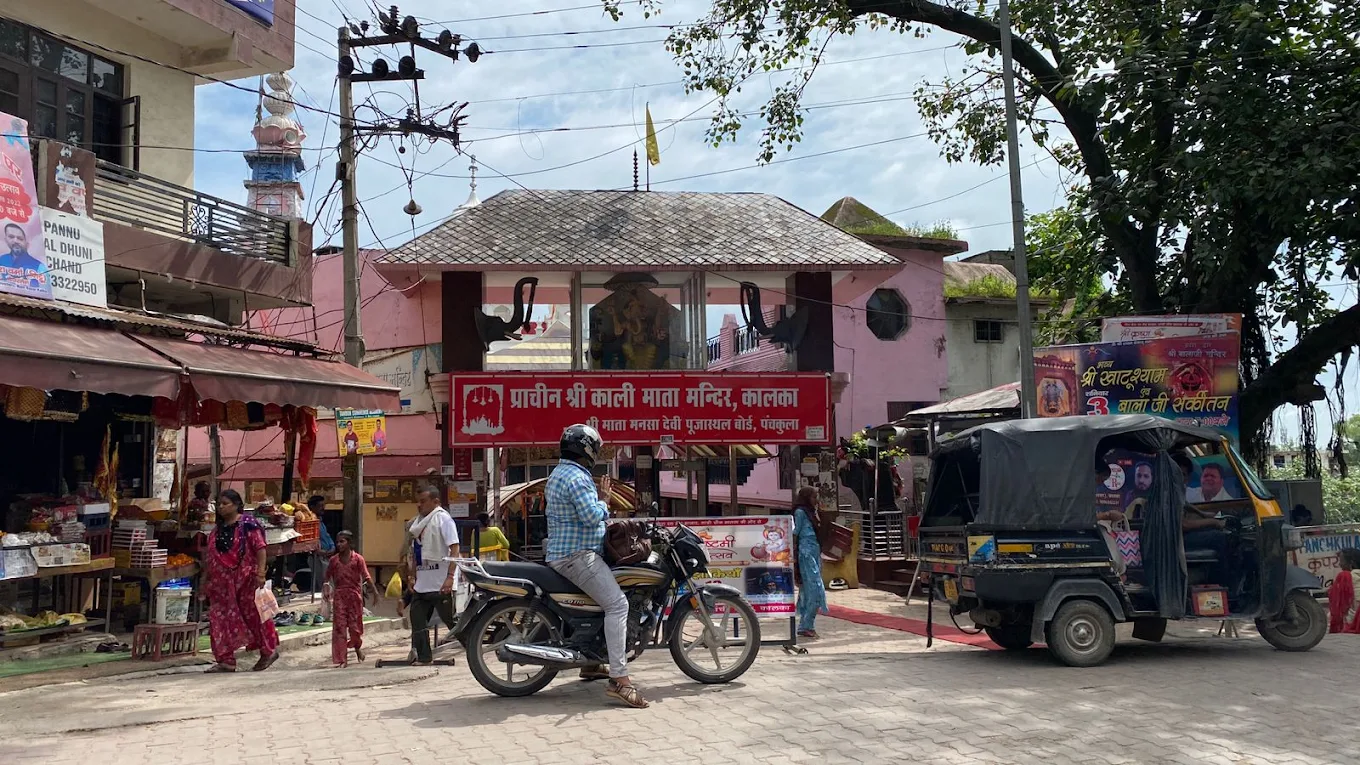
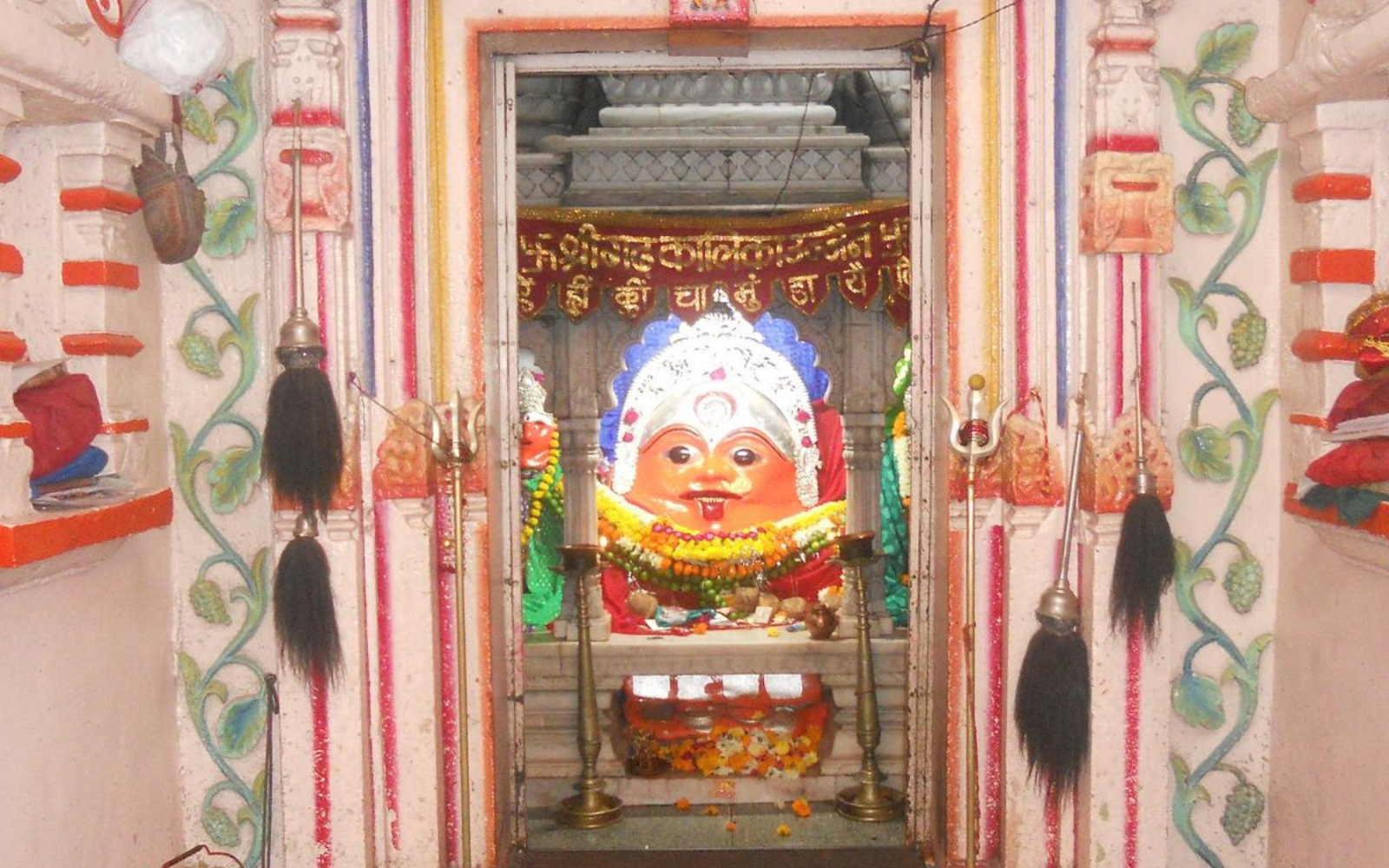
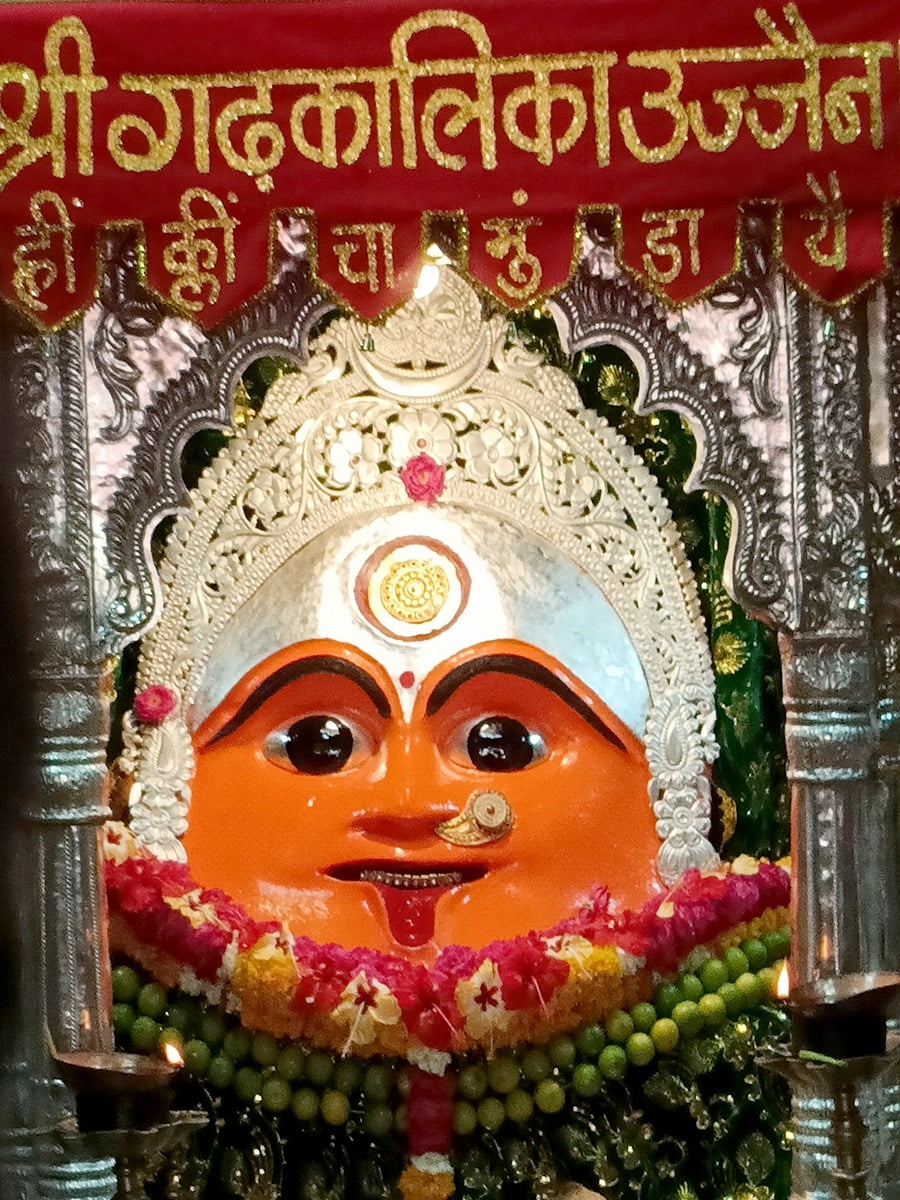
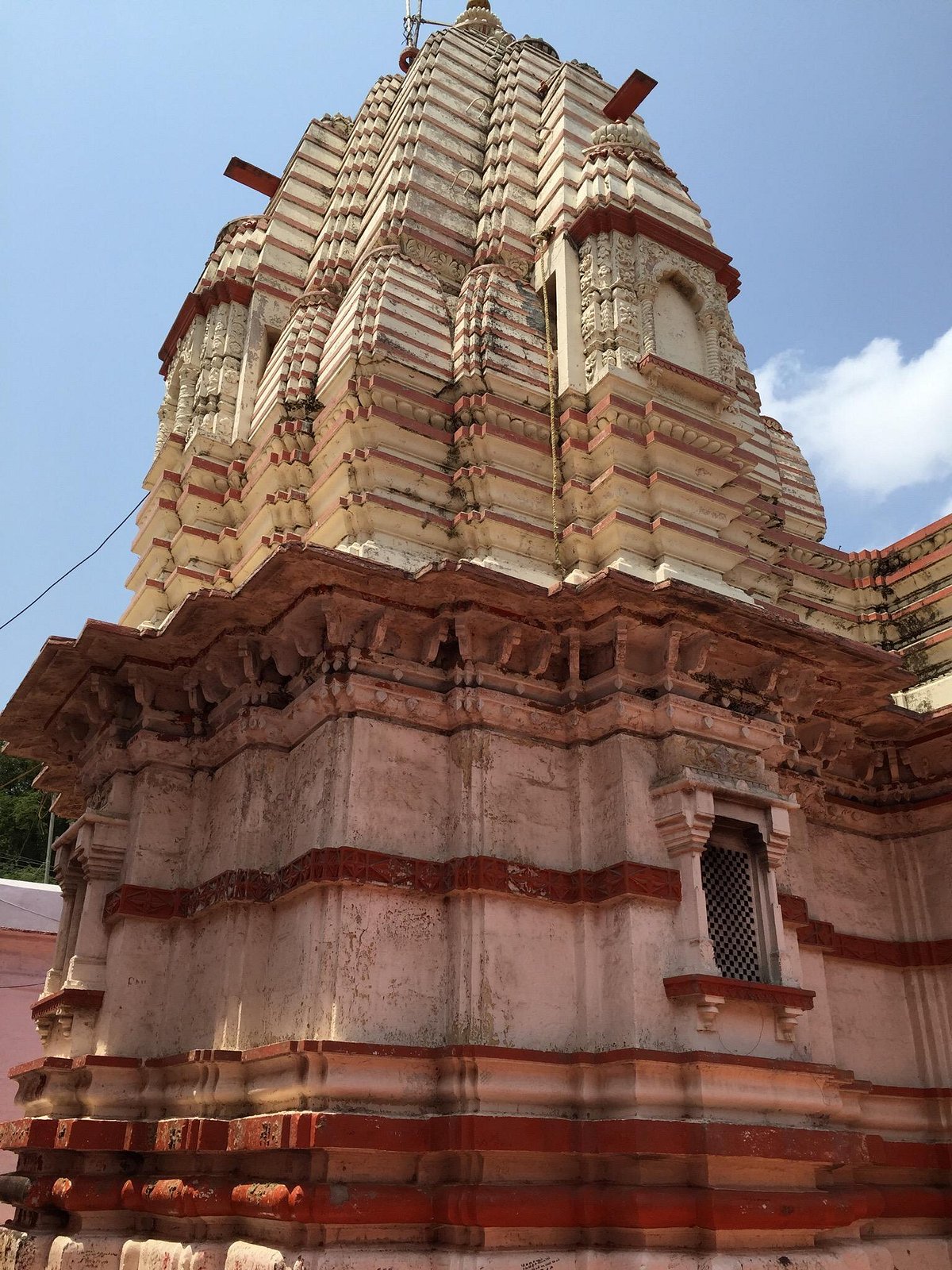
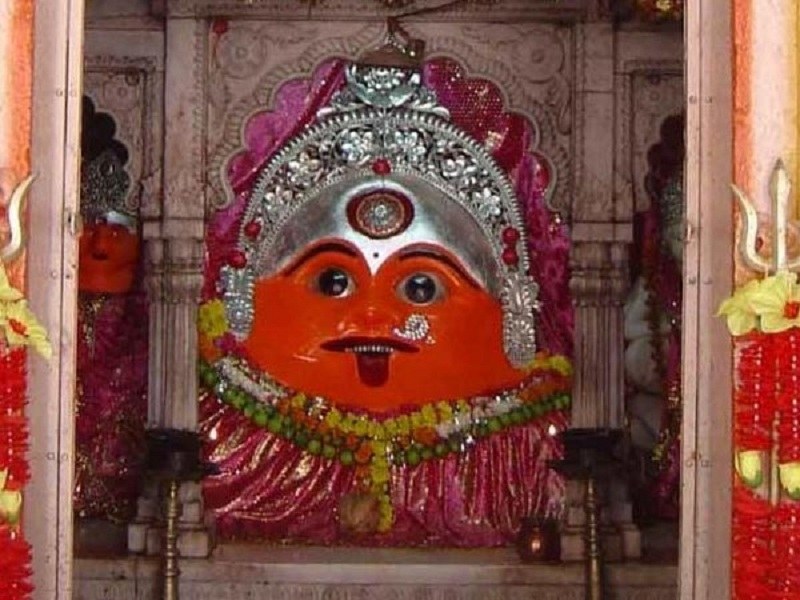
Kali Bari Temple is a well-known Hindu temple dedicated to Goddess Kali, a fierce and powerful form of Adi Shakti. The name “Kali Bari” means “House of Kali.” Several temples across India bear this name, with the most famous ones located in Shimla (Himachal Pradesh) and Kolkata (West Bengal).
Location and Setting
One of the most prominent Kali Bari temples is situated in Shimla, on Bantony Hill, offering a scenic view of the surrounding hills. Another significant Kali Bari Temple is located in Kolkata, a city deeply associated with Kali worship. Both temples are important pilgrimage sites for devotees.
Presiding Deity
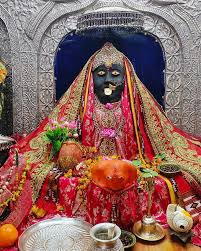
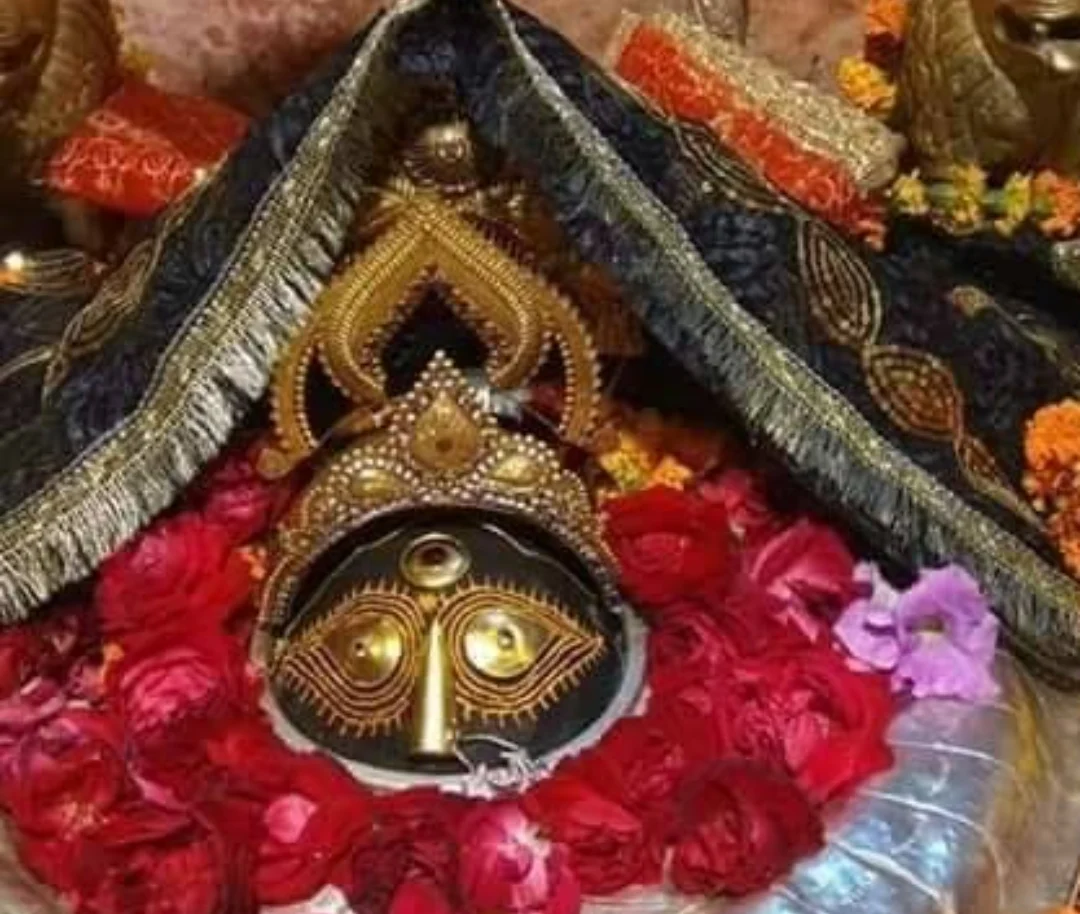
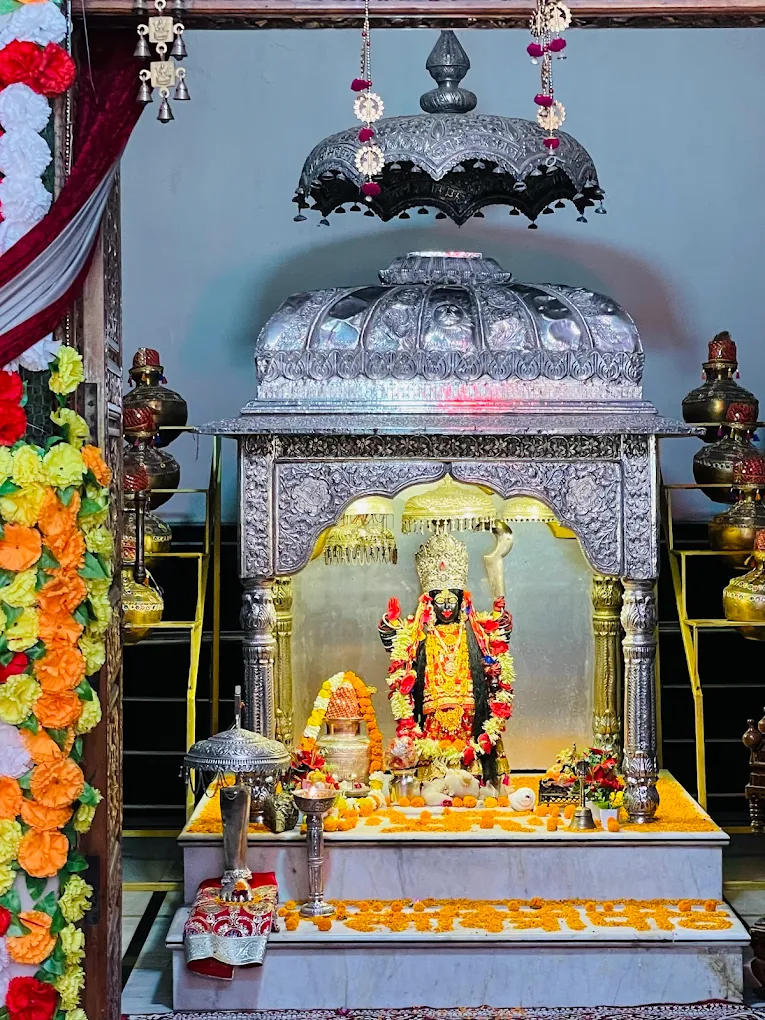
The main deity is Goddess Kali, worshipped as the supreme mother who destroys evil and protects her devotees. She symbolizes power, transformation, and the victory of good over evil.
Historical Significance
The Kali Bari Temple in Shimla was established in 1845 by Bengali devotees who settled there. The Kolkata Kali Bari temples also have a long history connected with Bengali Hindu traditions. These temples reflect strong cultural and religious ties to Shakti worship.
Religious Importance
Kali Bari temples serve as major centers of devotion, especially for Bengali communities. Devotees believe that Goddess Kali grants courage, removes fear, and fulfills sincere wishes.
Festivals and Rituals
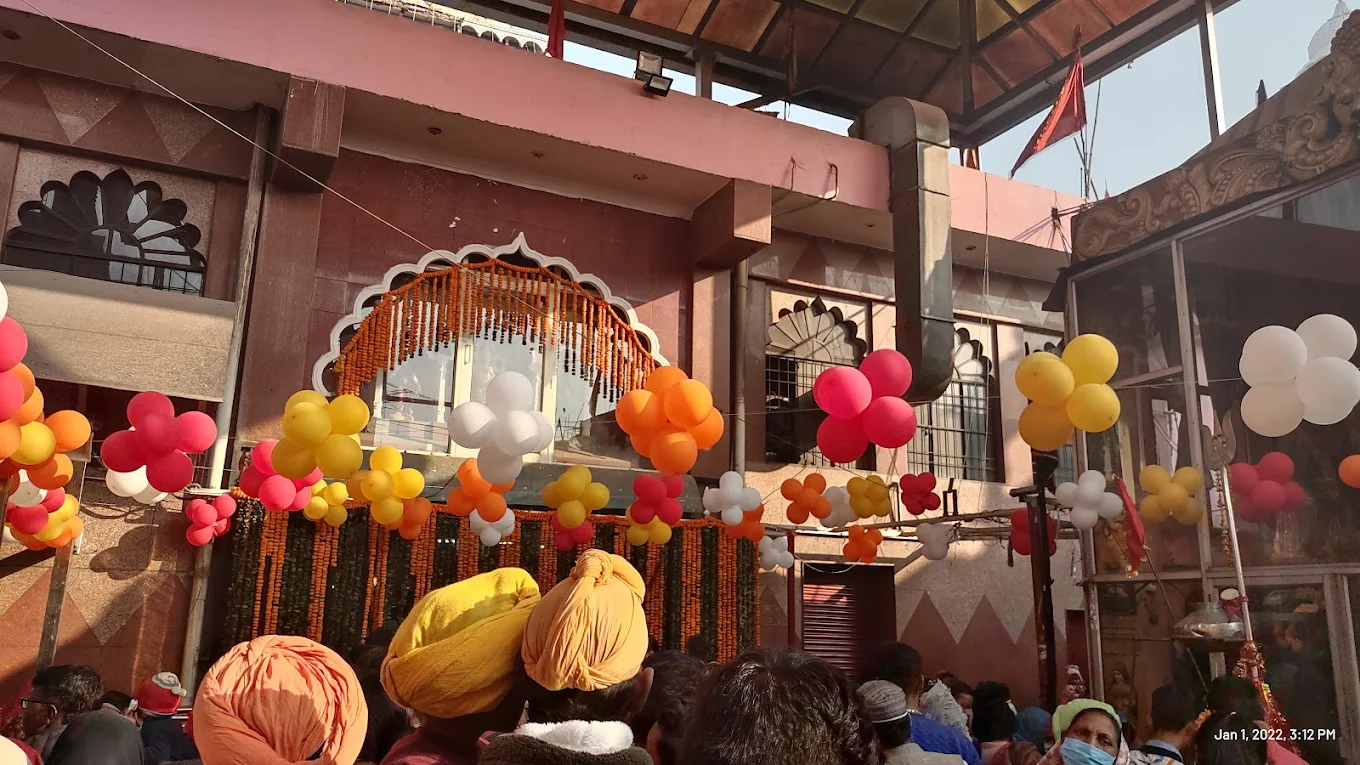
The most important festival celebrated here is Kali Puja, usually held during Diwali. Durga Puja and Navaratri are also celebrated with great enthusiasm. Daily prayers, aarti, and bhajans are conducted with devotion.
Spiritual Importance
Kali Bari Temple symbolizes divine strength, protection, and spiritual awakening. It is considered a sacred place where devotees seek blessings for peace, prosperity, and protection from negative forces.
Conclusion
Kali Bari Temple stands as a powerful symbol of Shakti worship and faith. With its rich history, vibrant festivals, and deep spiritual atmosphere, it continues to attract devotees from across India.



Leave feedback about this