


Description
Introduction
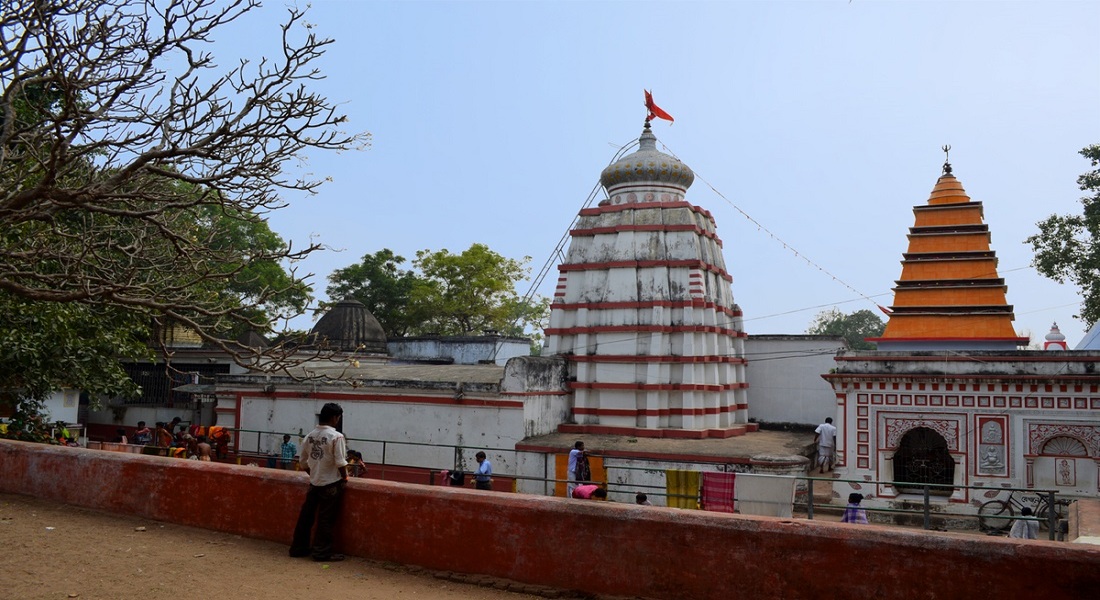
The Mahishasuramardini Shakti Peeth Temple is a revered sacred site associated with Goddess Durga in her fierce form as Mahishasuramardini, the slayer of the demon Mahishasura. This Shakti Peeth symbolizes the triumph of Divine Feminine power (Shakti) over evil forces and is deeply rooted in Shakta and Tantric traditions.
Location
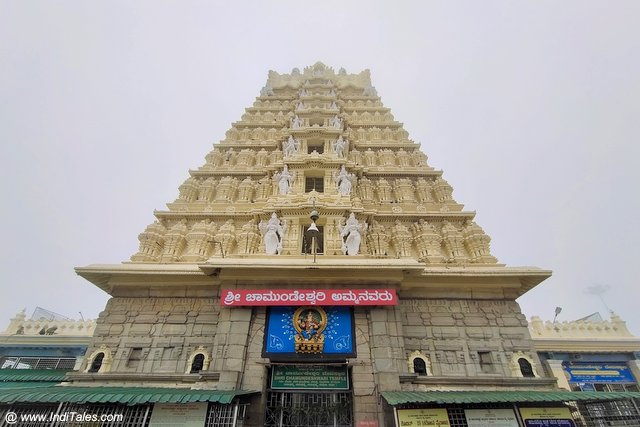
The Mahishasuramardini Shakti Peeth is traditionally identified with the region of Chamundi Hills near Mysuru (Mysore), Karnataka. The hill is named after Goddess Chamundeshwari, another form of Durga, and is one of the most important centers of Devi worship in South India.
Mythological Significance
According to Hindu mythology, the demon Mahishasura obtained a boon that made him nearly invincible and began tormenting the gods. The combined divine energies of Brahma, Vishnu, and Shiva manifested as Goddess Durga. After a fierce battle lasting nine days and nights, the Goddess slew Mahishasura on the tenth day, earning the name Mahishasuramardini.
In Shakta belief, this site is revered as a Shakti Peeth due to the intense manifestation of cosmic feminine energy, where the Goddess’s power is believed to eternally reside.
Deity and Worship
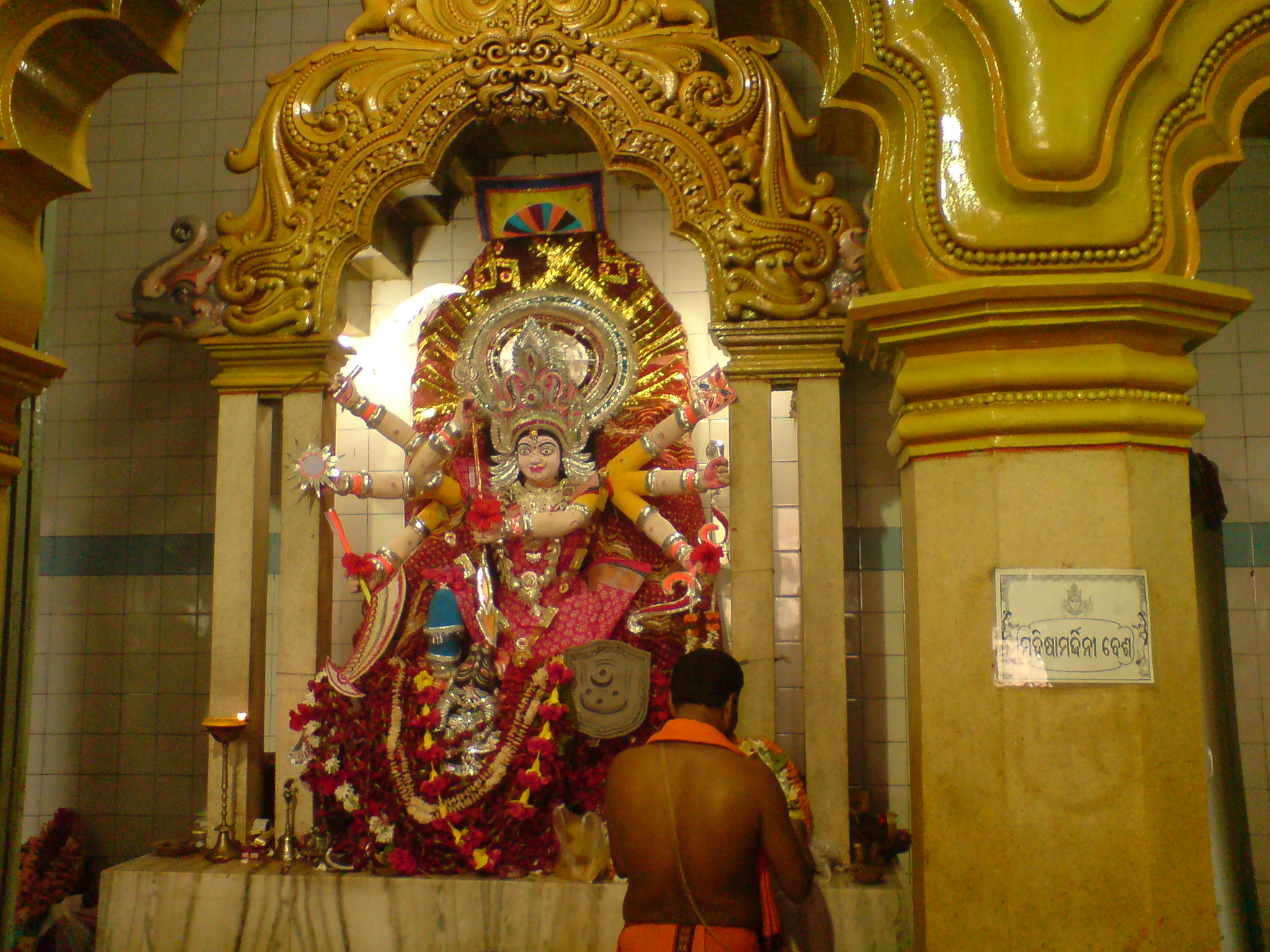
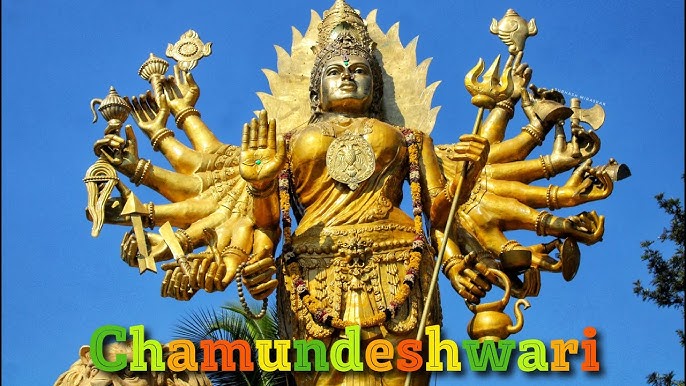
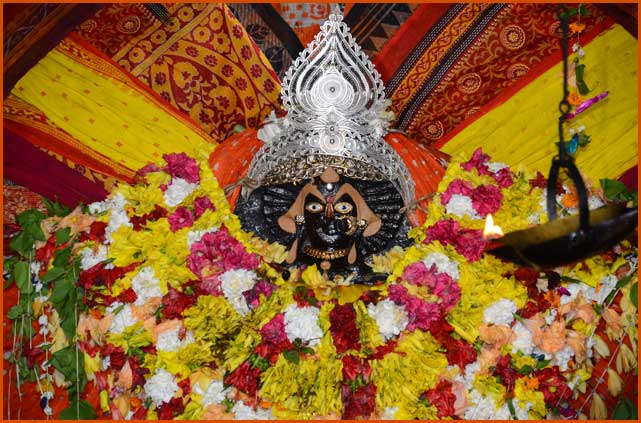
The presiding deity is Goddess Mahishasuramardini, depicted with multiple arms, holding divine weapons and subduing Mahishasura. She is worshipped as:
The destroyer of evil
The protector of devotees
The embodiment of courage, strength, and righteousness
Devotees believe worship here grants victory over fear, obstacles, and negative forces.
Temple Architecture and History
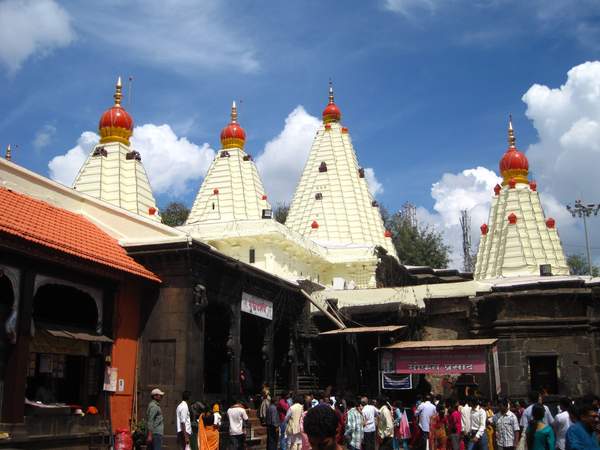
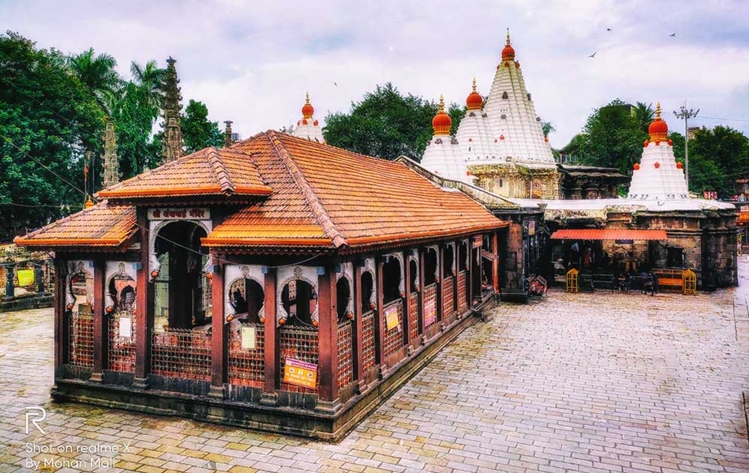
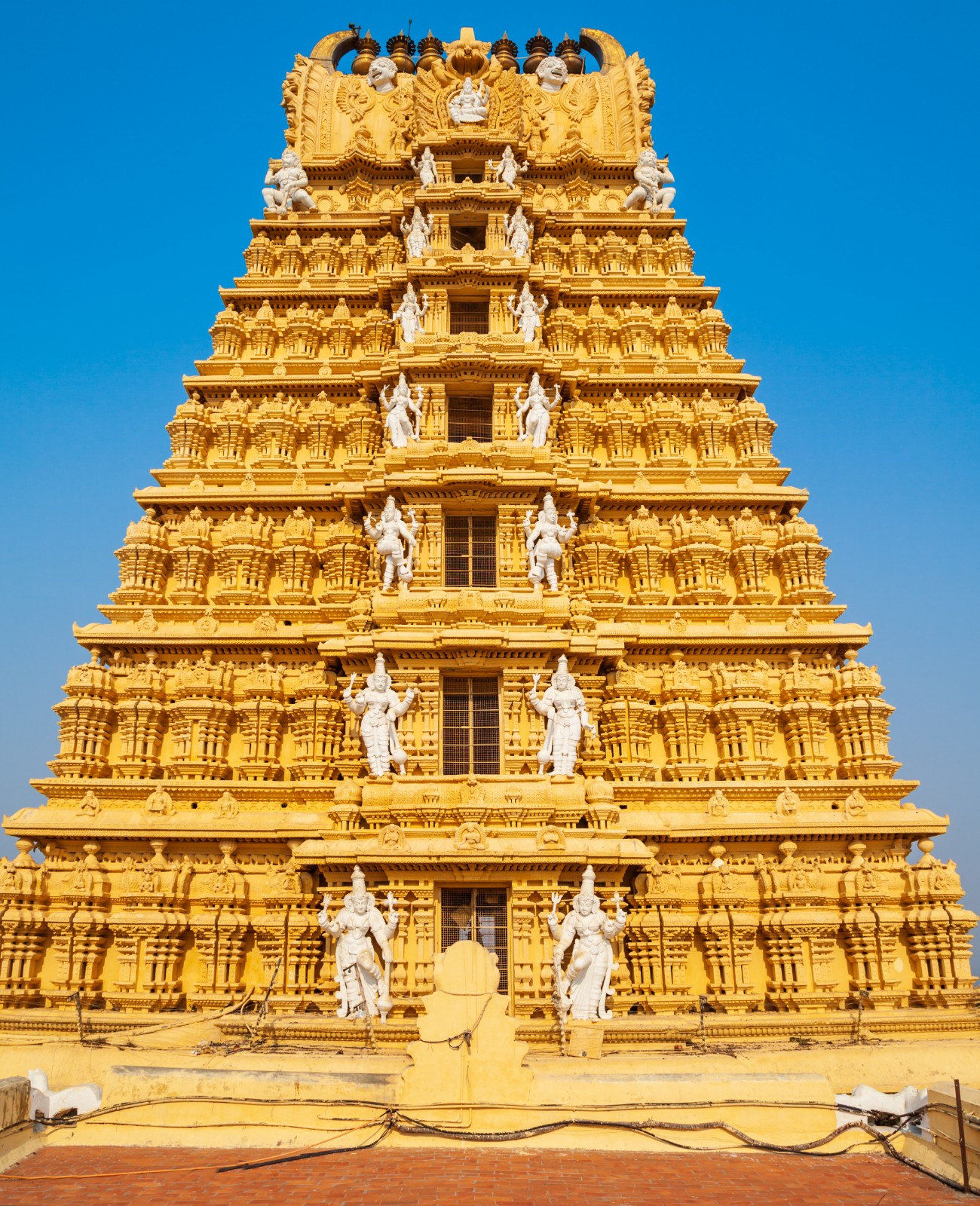
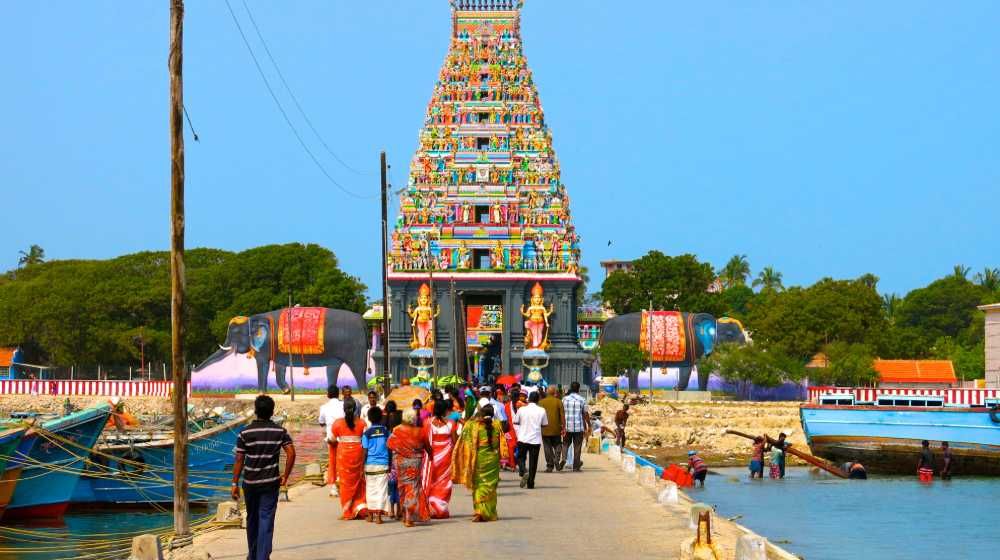
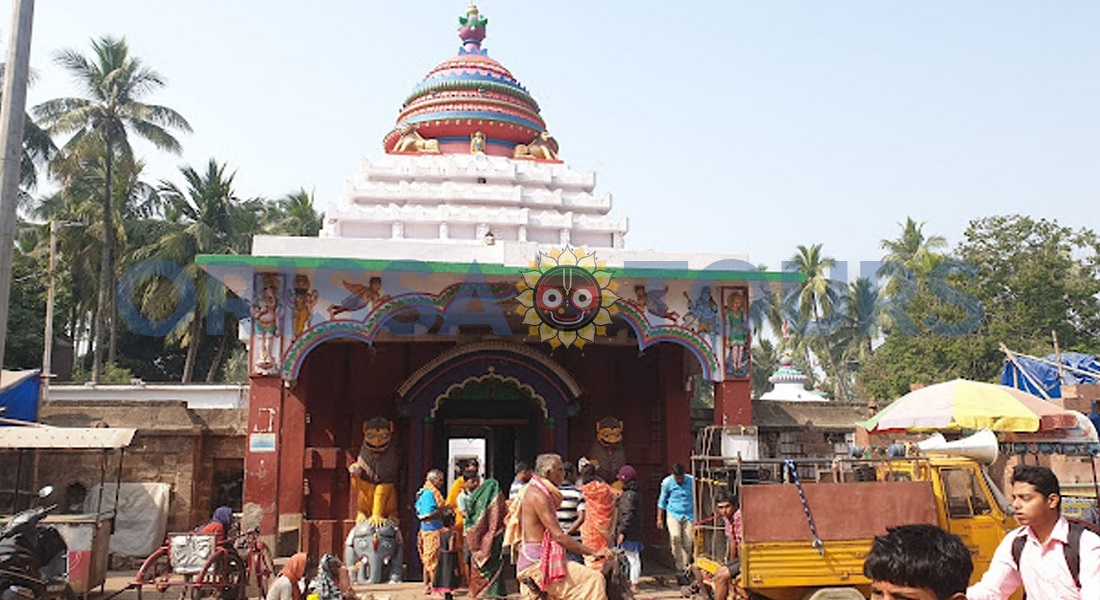
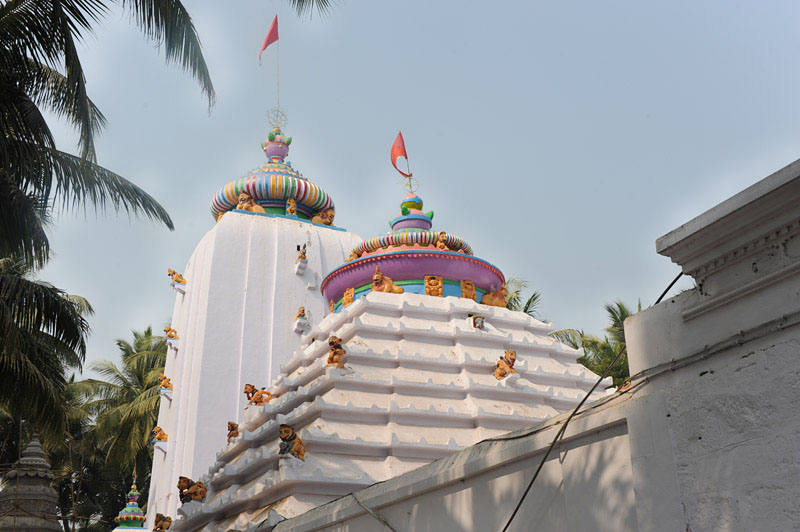
The temple reflects Dravidian architectural style and has received patronage from the Hoysala dynasty and later the Wodeyars of Mysuru, especially during the grand Mysuru Dasara celebrations. The sanctum houses a powerful idol of the Goddess, richly adorned during festivals.
Religious Importance and Festivals
The temple holds exceptional importance during:
Navratri and Vijayadashami (Dasara)
Chamundi Jayanti
Ashada Fridays
During Navratri, elaborate rituals, special pujas, and processions are conducted, drawing thousands of devotees.
Spiritual Significance
Mahishasuramardini represents the dynamic and protective aspect of Shakti, reminding devotees that divine power arises whenever dharma is threatened. Worship at this Shakti Peeth is believed to awaken inner strength, destroy ignorance, and guide the soul toward spiritual liberation.
Conclusion
The Mahishasuramardini Shakti Peeth Temple stands as a powerful symbol of divine victory, feminine energy, and eternal protection. Rooted in ancient mythology and living traditions, it remains a vital pilgrimage center, inspiring faith in the eternal triumph of good over evil.






Leave feedback about this