



Description
Introduction
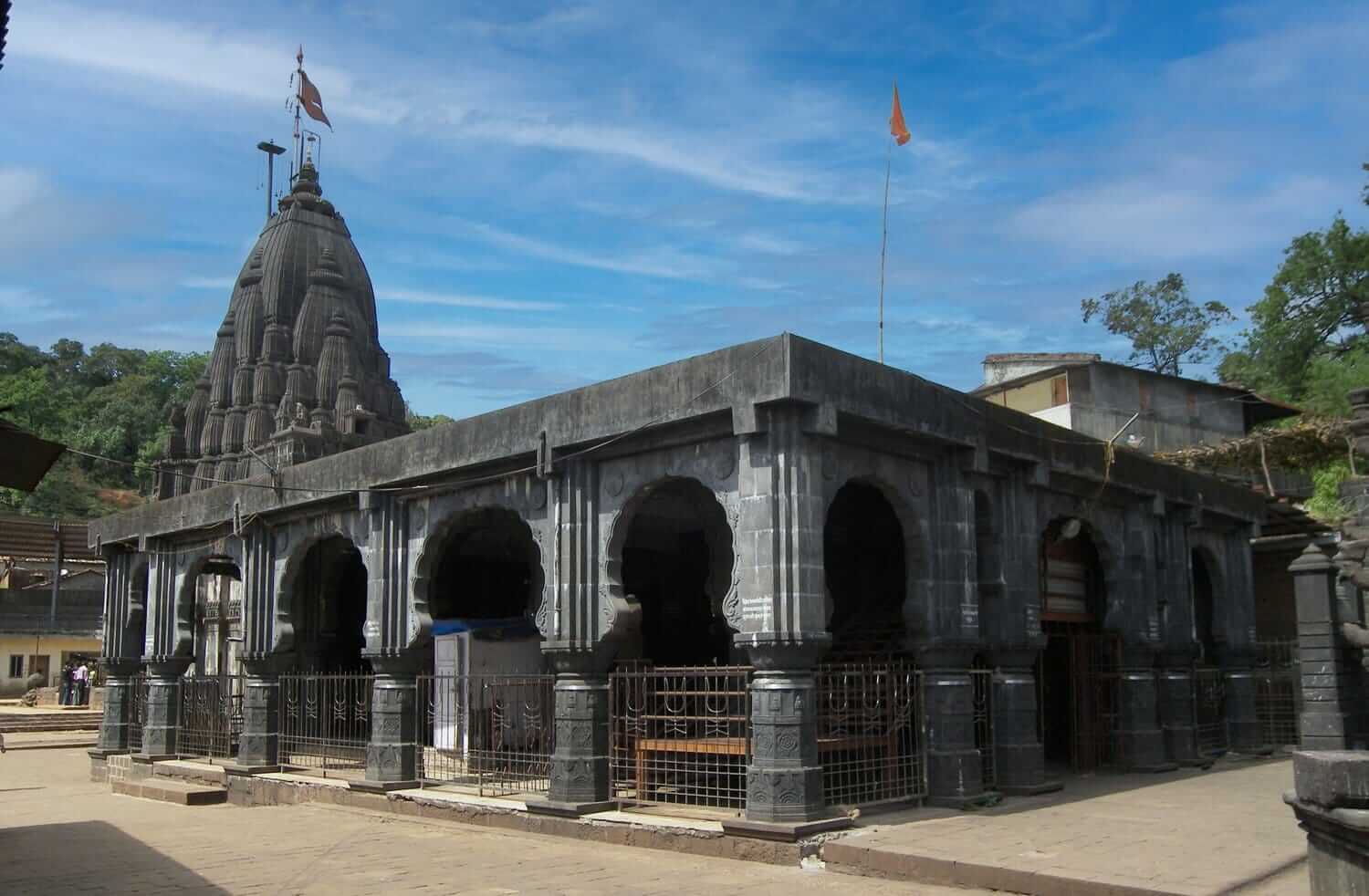
Bhimashankar Temple is one of the most sacred Hindu temples dedicated to Lord Shiva. It is one of the 12 Jyotirlingas of Lord Shiva, making it a highly important pilgrimage site for Shaivites. The temple is known for its deep mythological significance, ancient heritage, and serene natural surroundings.
Location and Setting
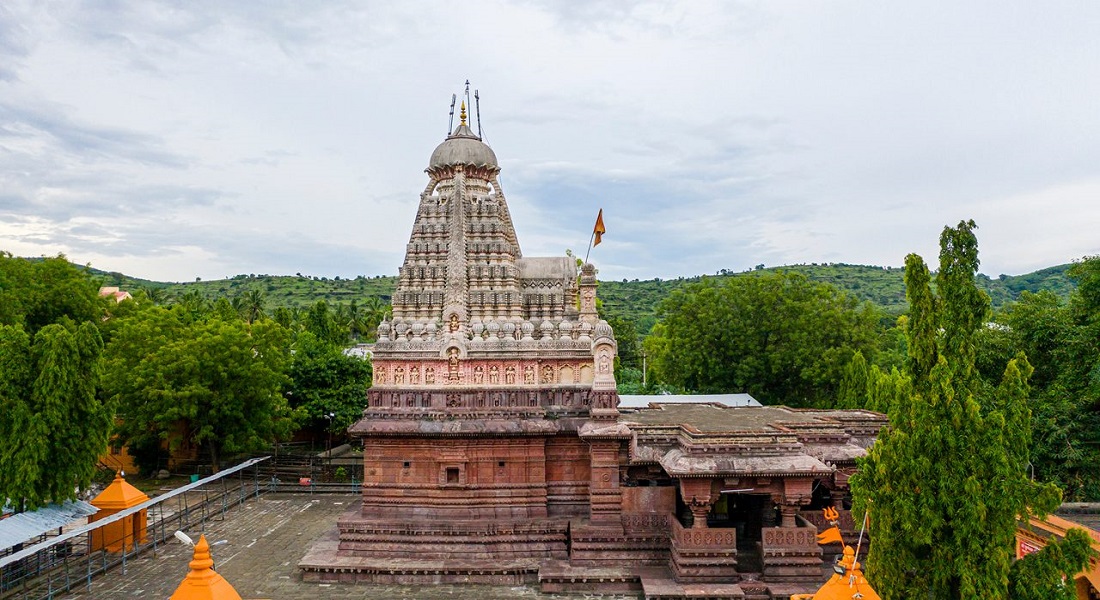
The temple is located in the Sahyadri ranges of the Western Ghats in Pune district, Maharashtra. Situated at an altitude of about 3,500 feet above sea level, Bhimashankar is surrounded by dense forests, hills, and wildlife. The area is also part of the Bhimashankar Wildlife Sanctuary, adding to its scenic and peaceful environment.
Historical and Mythological Significance
According to Hindu mythology, during the Treta Yuga, a demon named Tripurasura performed severe penance in the forests of Bhimashankar to please Lord Shiva and obtain immortality. Lord Shiva granted him this boon on the condition that he would always work for the welfare of people. However, Tripurasura violated this condition and began troubling humans and gods alike.
To end his tyranny, Lord Shiva prayed to Goddess Parvati (Kamalaja Mata). Together, they assumed the divine form of Ardha-Narya-Nateshwar and destroyed Tripurasura on Kartik Purnima, which is celebrated as Tripurari Purnima. After Tripurasura’s death, his wives Dakini and Shakini were granted immortality, and the region came to be known as “Dakinyam Bhimashankaram.”
Architectural Features
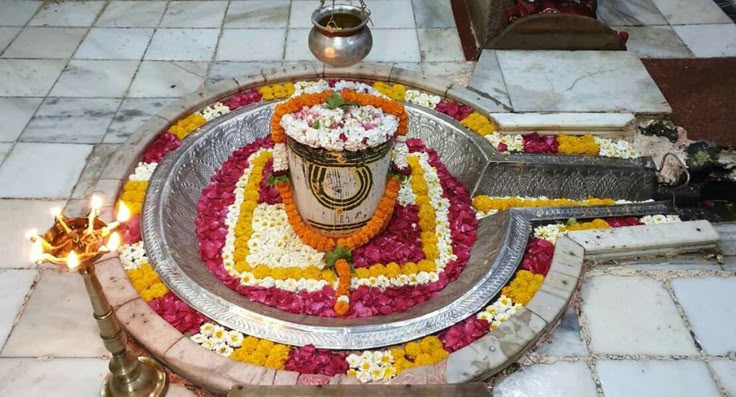
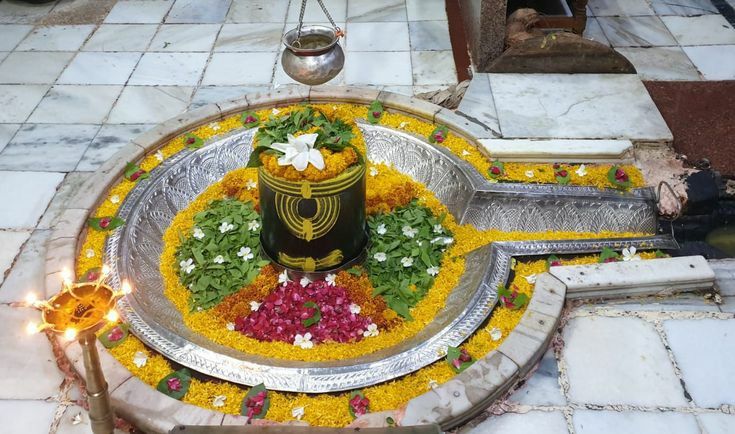
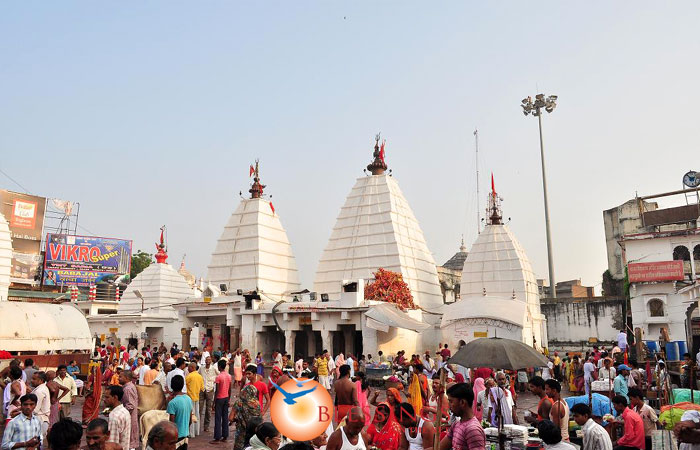
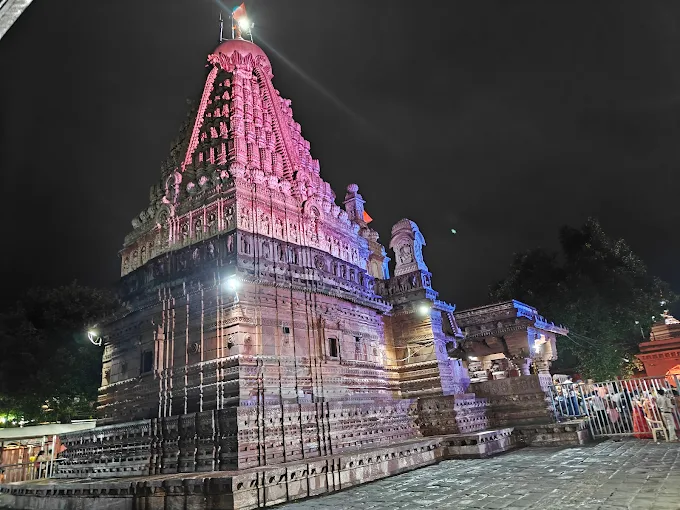
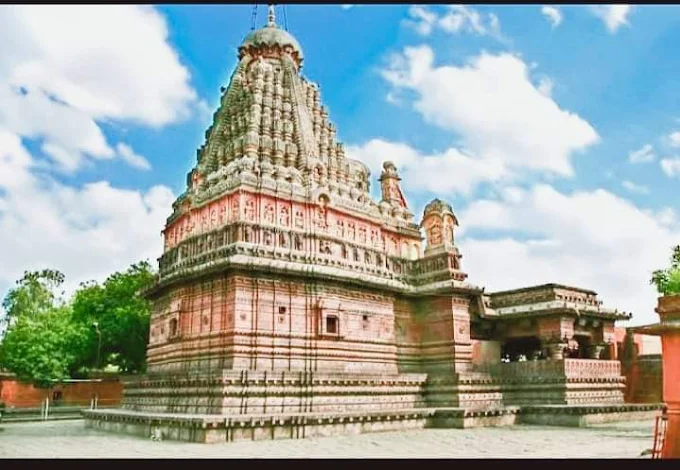
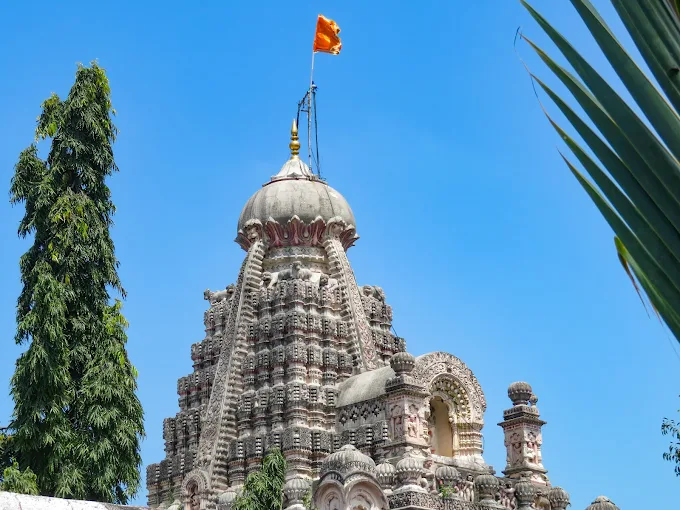
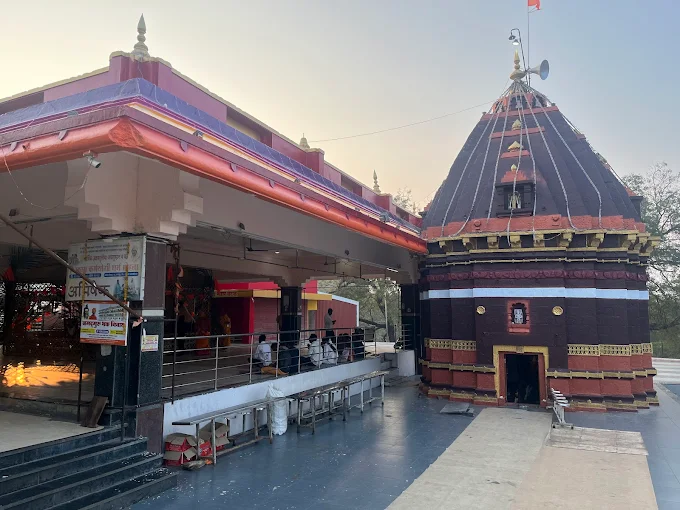
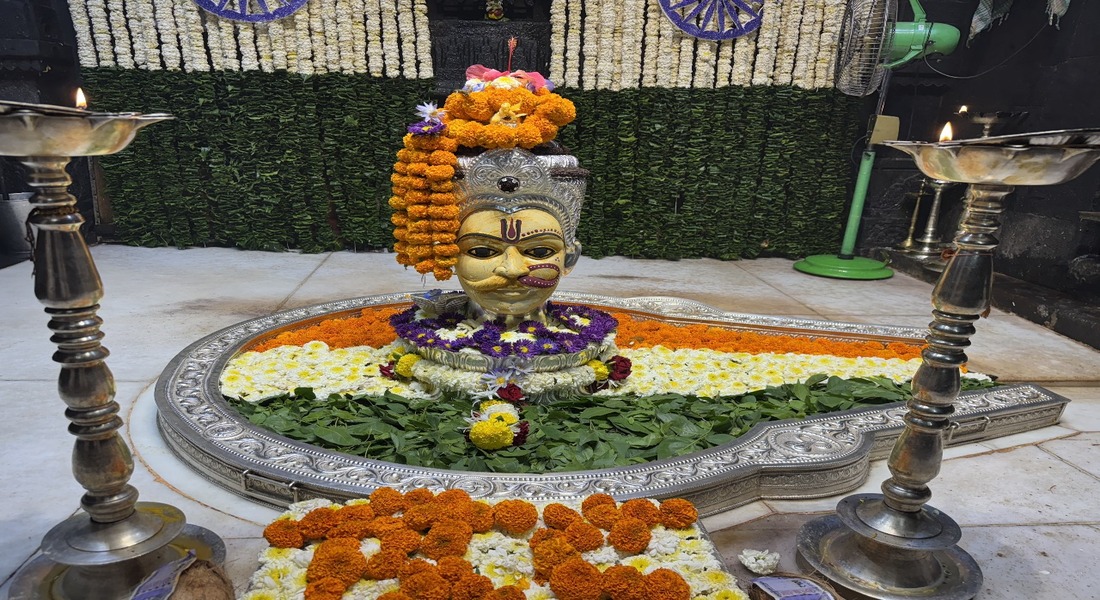
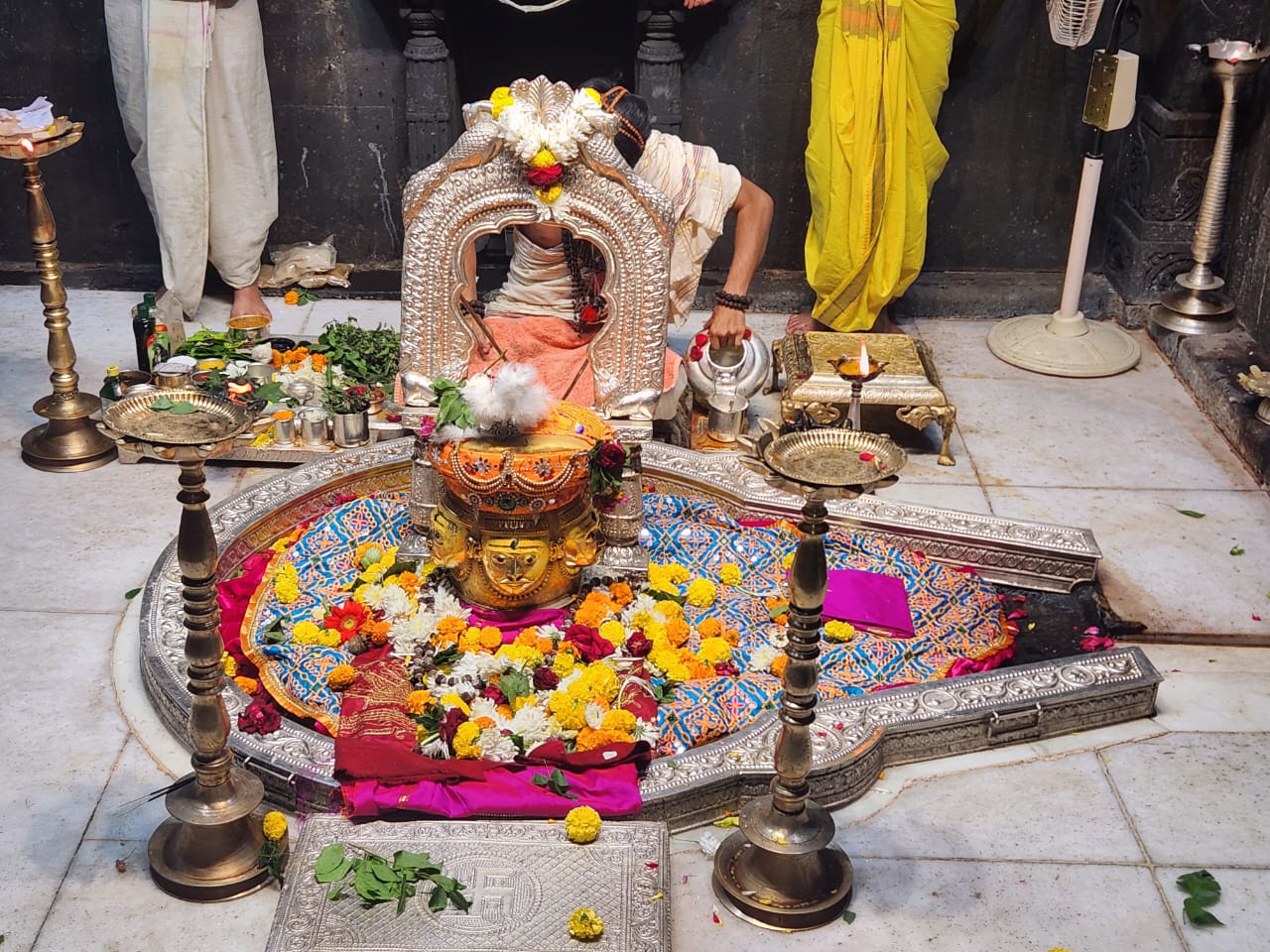
The Bhimashankar Temple reflects ancient Nagara-style architecture with intricate stone carvings. The sanctum houses the Jyotirlinga of Lord Shiva, which is worshipped with great devotion. The temple also has shrines dedicated to Goddess Parvati and other deities. The simplicity of the structure complements the natural beauty of the surroundings.
Religious Importance
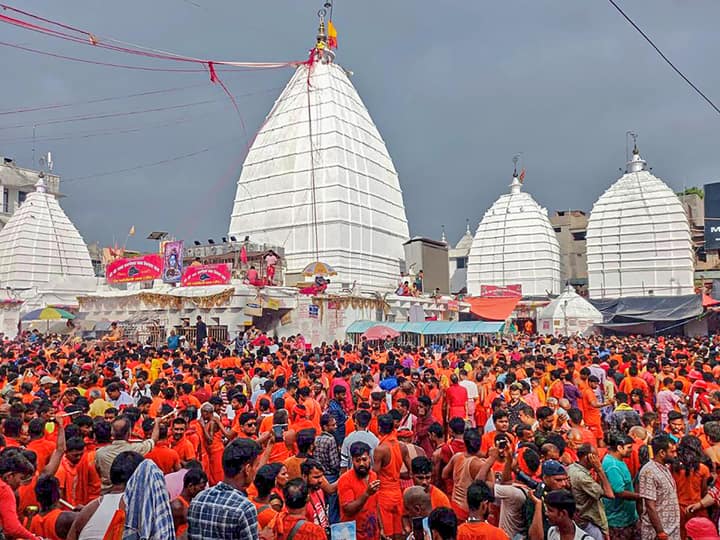
As one of the 12 Jyotirlingas, Bhimashankar holds immense religious significance. Devotees believe that worshipping Lord Shiva here grants spiritual peace, liberation from sins, and fulfillment of wishes. Special prayers and rituals are performed during Mahashivratri, Shravan month, and Kartik Purnima, attracting thousands of pilgrims.
Best Time to Visit
The best time to visit Bhimashankar Temple is from September to February, when the climate is cool and pleasant. The monsoon season transforms the region into a lush green landscape, making it ideal for nature lovers and adventure seekers, though travel can be challenging due to heavy rainfall.
Temple Accessibility and Pilgrimage
Bhimashankar is well connected by road from Pune and nearby towns. The nearest major railway station is Pune Junction, and the nearest airport is Pune International Airport. Pilgrims can reach the temple by private vehicles or buses, followed by a short walk to the shrine.
Conclusion
Bhimashankar Temple stands as a powerful symbol of faith, devotion, and divine justice. Its association with the Jyotirlinga, rich mythology, and breathtaking natural setting make it one of the most revered temples of Lord Shiva in India. The temple continues to attract devotees seeking spiritual strength, peace, and a deep connection with the divine.






Leave feedback about this