



Description
Introduction
Shri Sai Baba Samadhi Mandir, Shirdi is one of the most revered spiritual centers in India, dedicated to Shri Sai Baba, the saint who taught the universal values of Shraddha (faith), Saburi (patience), peace, equality, and inter-religious harmony. Located on the southern bank of the Godavari River, Shirdi transformed from Daityabhoomi (land of demons) into Devbhoomi (land of gods) due to the divine presence of Sai Baba. His message of “Sabka Malik Ek” continues to inspire millions across the world.
Location and Setting
Shirdi is situated in Ahmednagar district (now Ahilyanagar), Maharashtra, near the sacred Godavari River. The region was once the Tapobhumi of Shukracharya, the guru of demons. The Samadhi Mandir stands at Buttiwada, where Sai Baba’s holy body rests, and the surrounding area includes sacred sites such as Dwarkamai, Chavadi, and Lendi Baug, all closely associated with Baba’s life.
Historical and Spiritual Significance
Shri Sai Baba arrived in Shirdi around 1858, though his birth, caste, religion, and origin remain a mystery. The name Sai was given to him after his arrival in Shirdi. Baba lived here for nearly 60 years, spreading love, compassion, and humanity. He cared deeply for the poor, the weak, and animals, often helping devotees in times of illness and distress.
Sai Baba taught that faith and patience are the ultimate solutions to worldly and spiritual problems. Devotees believe that Udi (sacred ash) from the Dhuni lit by Baba himself has miraculous healing powers, curing even incurable diseases. During his lifetime, people of all religions were drawn to him, and his fame spread far and wide despite limited means of communication.
Samadhi Mandir and Its Establishment
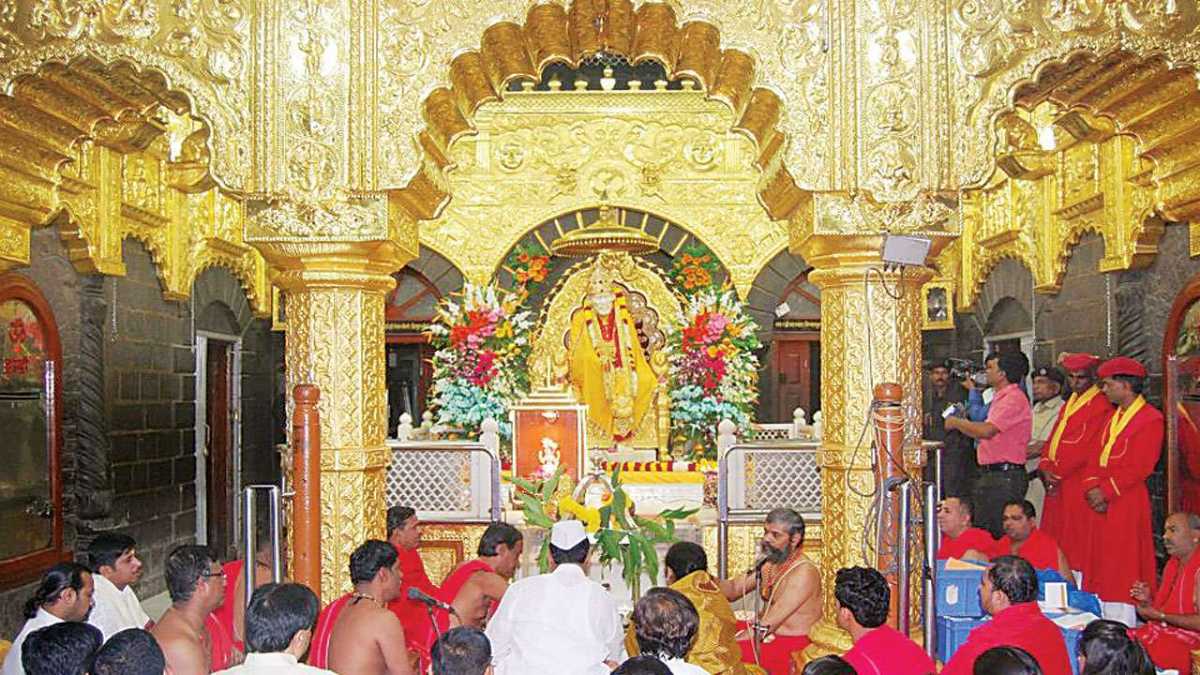
As per Sai Baba’s wish, Gopalrao (Bapusaheb) Butti of Nagpur began constructing Buttiwada in 1914, intending to install an idol of Lord Muralidhar. Sai Baba’s final words—“Take me to the wada”—proved prophetic. Baba attained Mahasamadhi on Tuesday, 15 October 1918, and his holy body was placed in the plinth originally meant for Muralidhar. Thus, Baba Himself became Muralidhar, as mentioned in Shri Sai Satcharita.
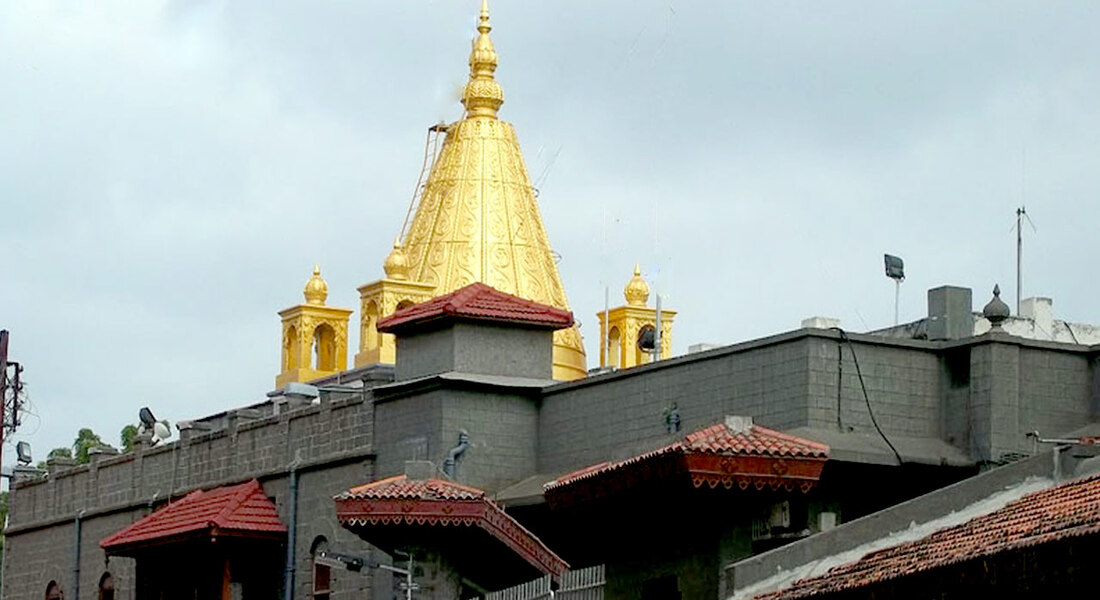
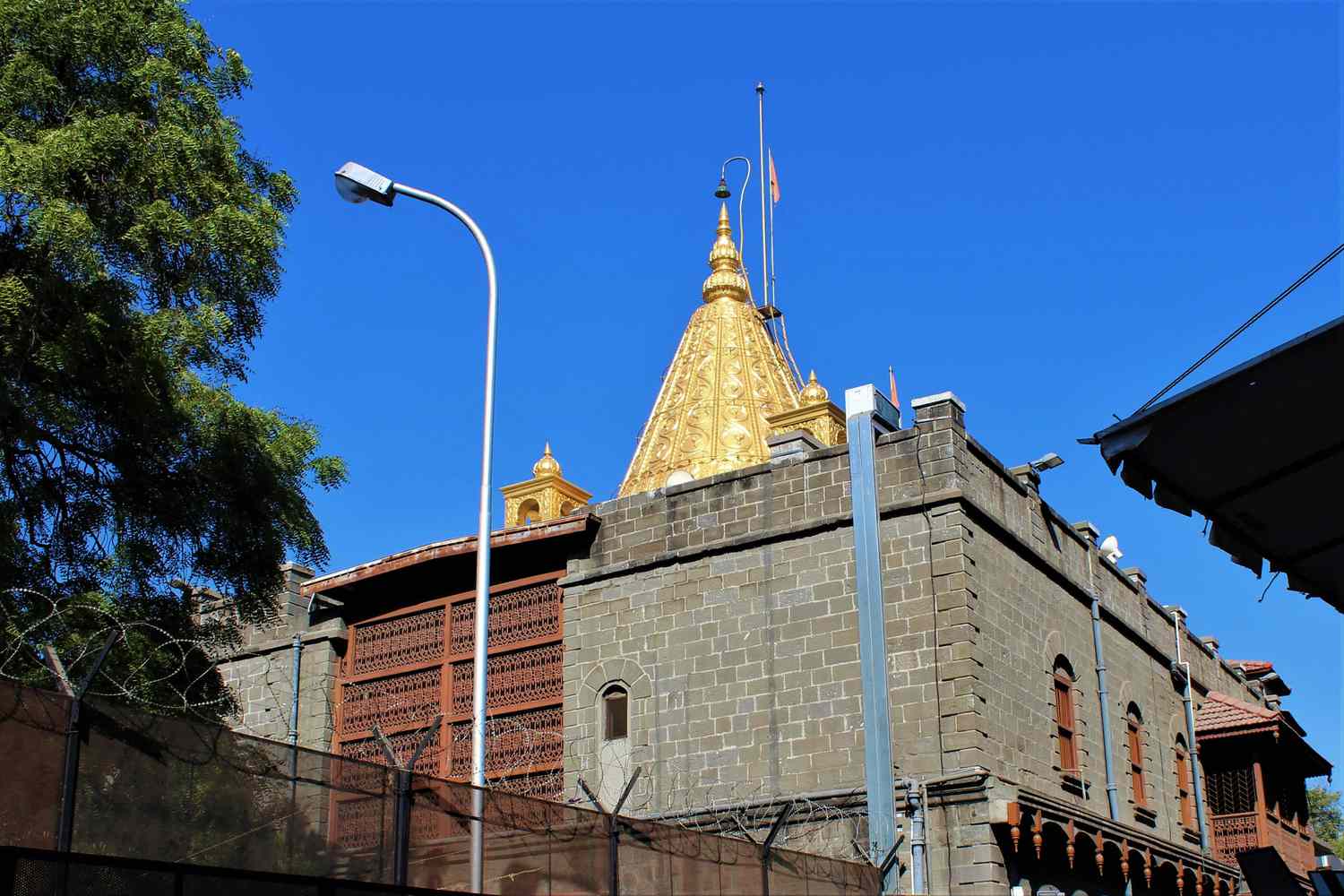
The place later became known as the Sai Baba Samadhi Mandir, the most sacred site in Shirdi.
Religious Importance
The Samadhi Mandir is a universal place of worship, welcoming devotees of all faiths. Millions of devotees, including presidents, prime ministers, scientists, judges, artists, and common people, visit Shirdi seeking blessings, peace, and prosperity. Sai Baba’s assurance that “whoever steps in Shirdi will be blessed” continues to be experienced by devotees worldwide.
Management and Administration
After Baba’s Mahasamadhi, a group of his devoted followers formed a committee to continue worship and temple management. In 1921, a civil application was filed in the District Court of Ahmednagar. On 13 February 1922, the court approved the formation of the Shri Sai Baba Sansthan Trust to manage temple affairs and assets. The first managing committee was established under the chairmanship of Dasganu Maharaj, with its first meeting held on 6 April 1922 on Ram Navami.
Conclusion
Shri Sai Baba Samadhi Mandir stands as a timeless symbol of faith, patience, unity, and divine grace. From a humble village, Shirdi has become a global spiritual destination, echoing Baba’s teachings of love and equality. The Samadhi Mandir continues to guide humanity on the path of devotion, compassion, and inner peace.


Leave feedback about this