



Description
Introduction
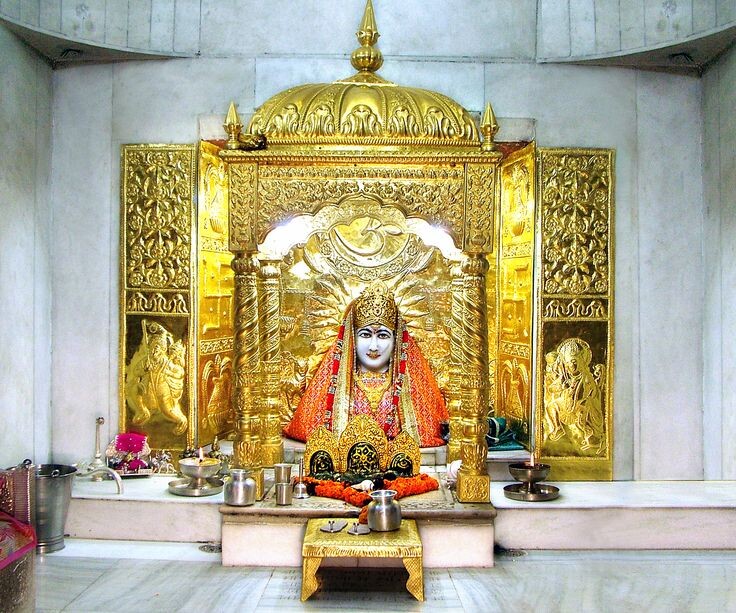
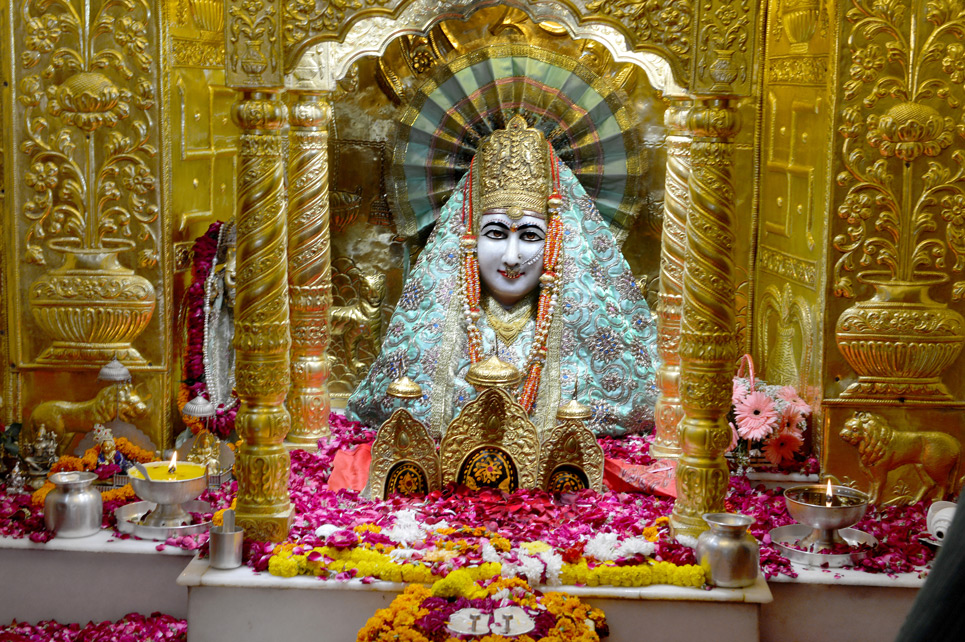
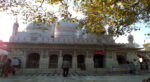
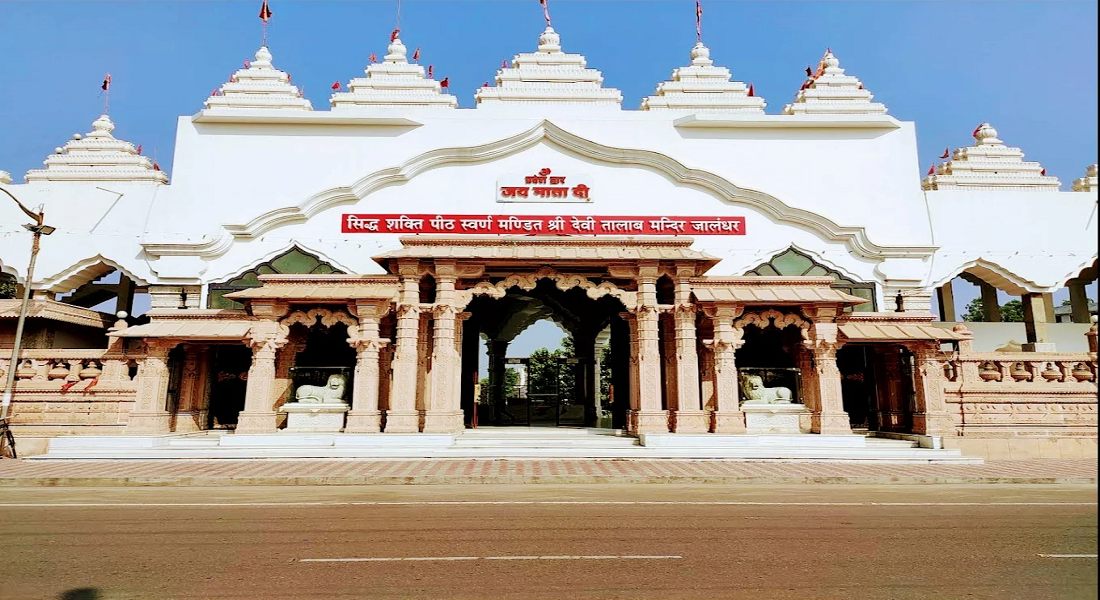
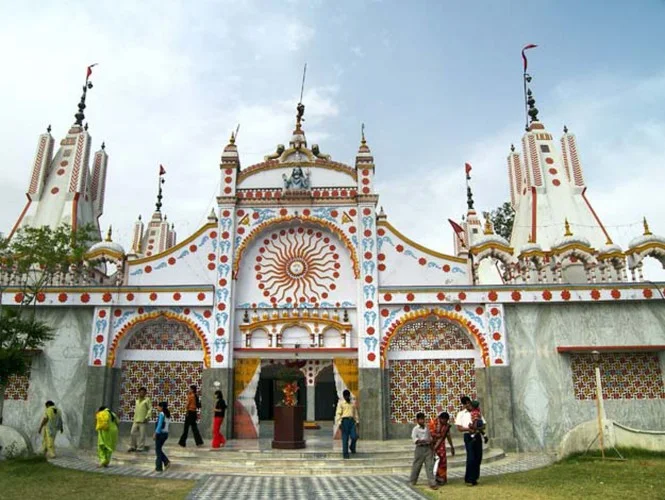
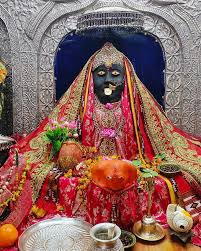
Shri Mansa Devi Temple is a prominent Hindu shrine dedicated to Mansa Devi, a fierce form of the Divine Mother and an important deity in Shaktism. Nestled in the foothills of the Shivalik mountain range, the temple is one of the most revered Shakti temples in North India, attracting thousands of devotees every year. It is celebrated for its spiritual energy, myths, and vibrant rituals associated with the worship of the Divine Feminine.
Location and Setting
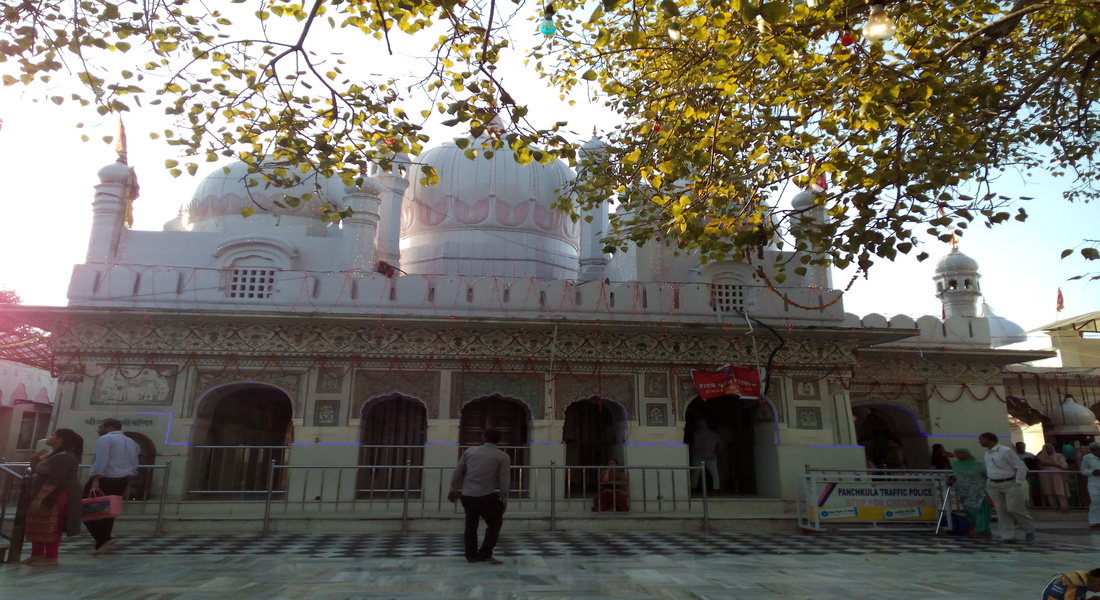
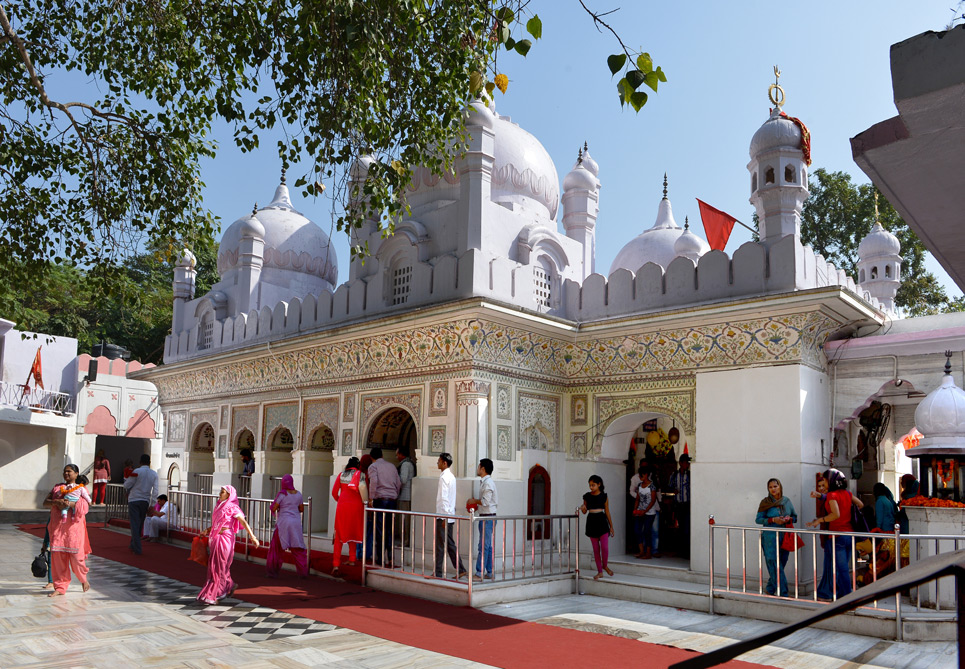
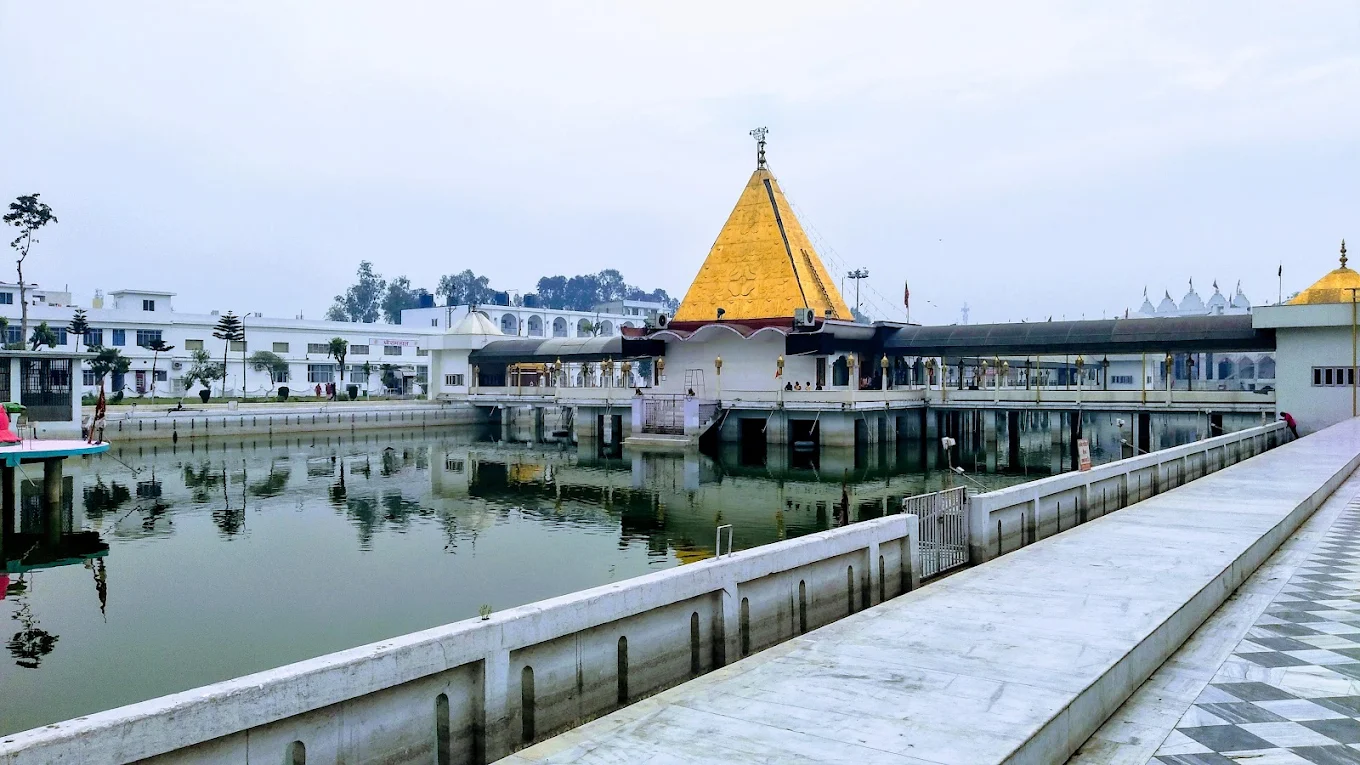
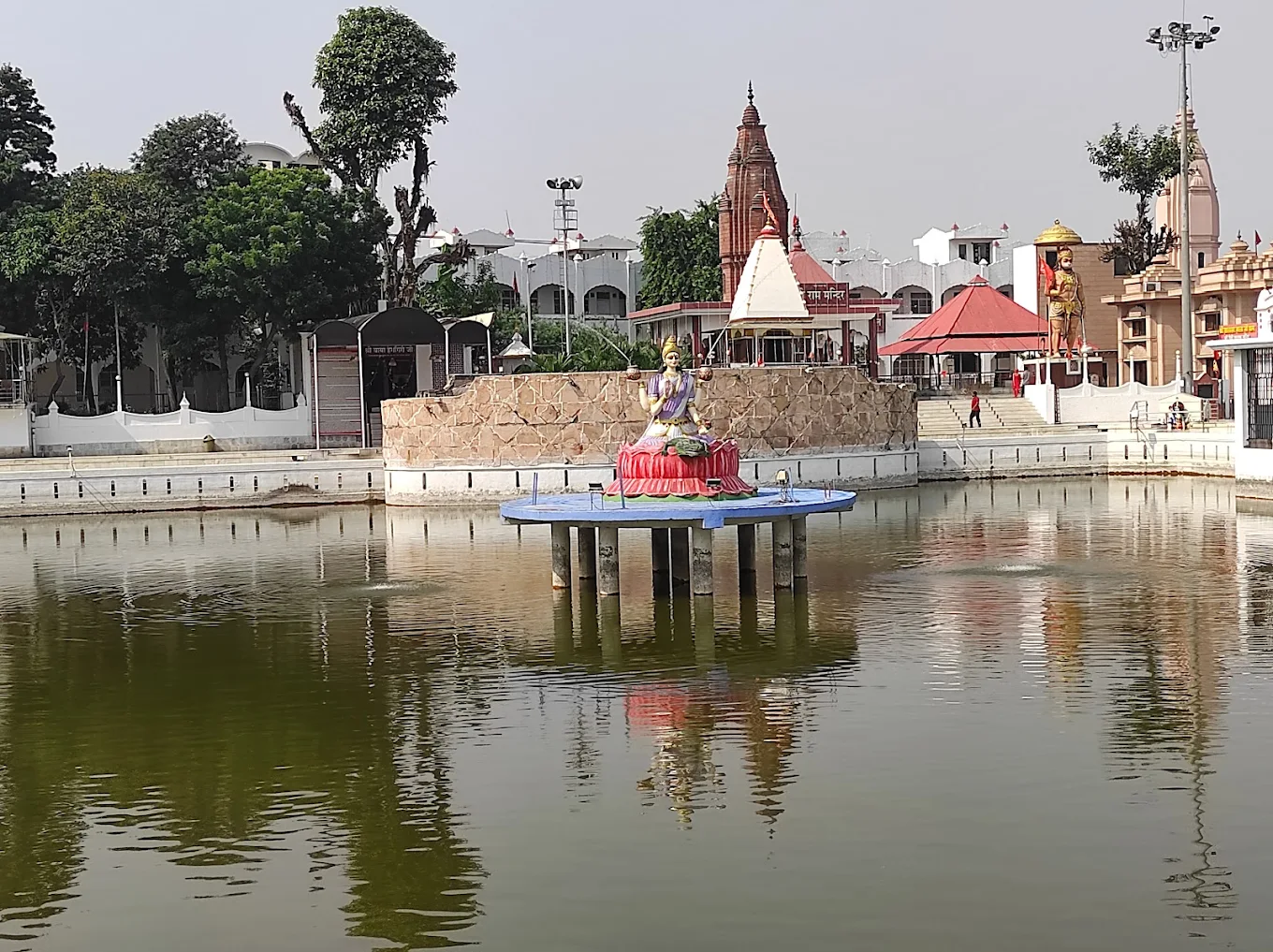
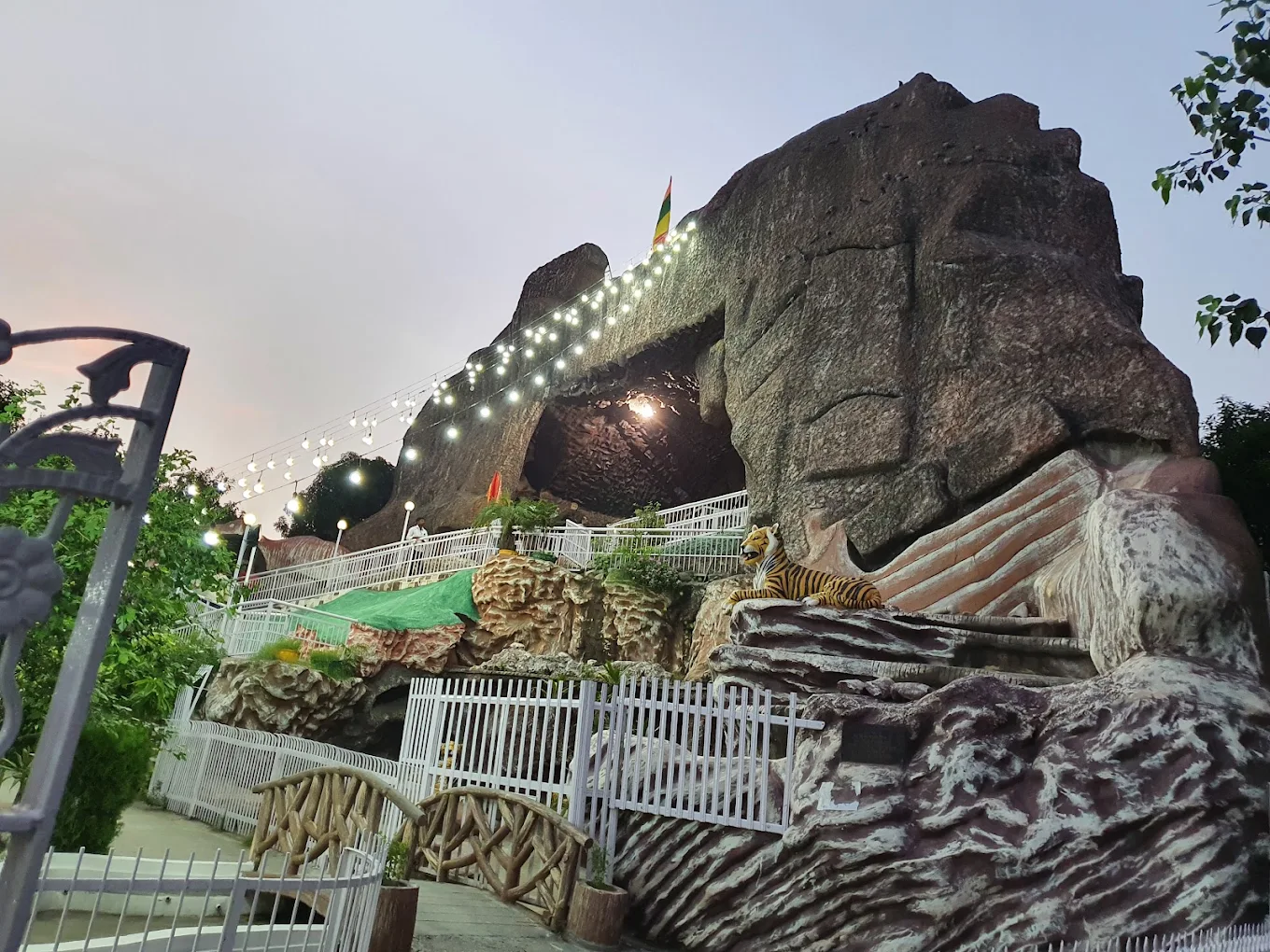
The temple is situated near Bilaspur village, close to Mani Majra in the Panchkula district of Haryana. Spread over approximately 100 acres on the Shivalik foothills, the temple complex includes the main shrine, several smaller temples, and sacred trees around which devotees tie threads to seek blessings. The location, set amidst scenic hills and lush surroundings, enhances the spiritual and peaceful ambiance of the shrine.
Historical and Mythological Significance
According to legend, a cow used to offer milk daily at three stones (Pindies) on a hilltop in the Shivalik Hills. Locals observed these stones and discovered them to be holy Shilas, believed to be the forehead of Shri Sati Mata. It is said that another part of Sati Mata’s head fell at the site where the Mansa Devi Temple now stands, giving the temple its original name, the Temple of Mata Sati.
The present main temple was constructed by Maharaja Gopal Singh of Manimajra between 1811 and 1815. Later, the Patiala temple nearby was built in 1840 by Maharaja Karam Singh of Patiala. Legends also mention a 3 km-long cave connecting the king’s fort to the temple, through which he and his queen used to visit the shrine daily.
The temple has witnessed periods of neglect after the merger of princely states into PEPSU, with the local priests (pujaris) struggling to maintain it. Despite this, it continues to remain a central seat of devotion to Mansa Devi, representing the cosmic feminine energy that governs the universe.
Religious Importance
Mansa Devi is worshipped as a manifestation of Shakti, embodying divine feminine power and cosmic energy. Devotees believe that prayers offered here are answered, particularly those tied around the sacred tree in the temple complex. The temple’s rituals, festivals, and spiritual atmosphere reflect centuries of devotion and Shaktism, making it a vital pilgrimage site for northern India.
Architectural Features
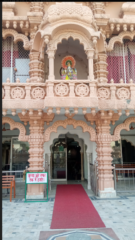
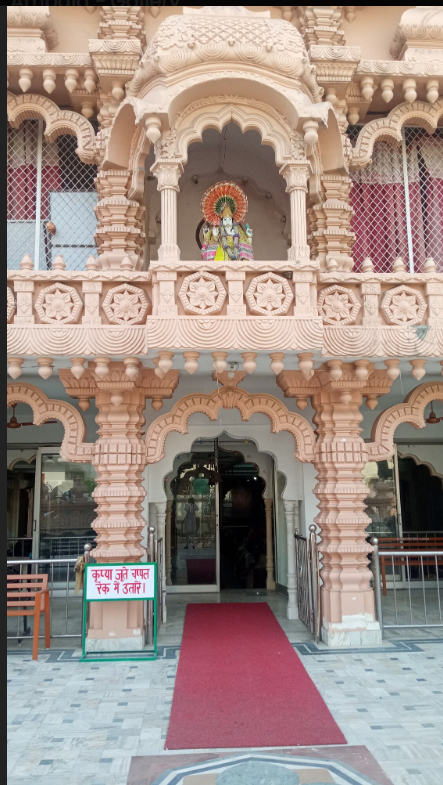
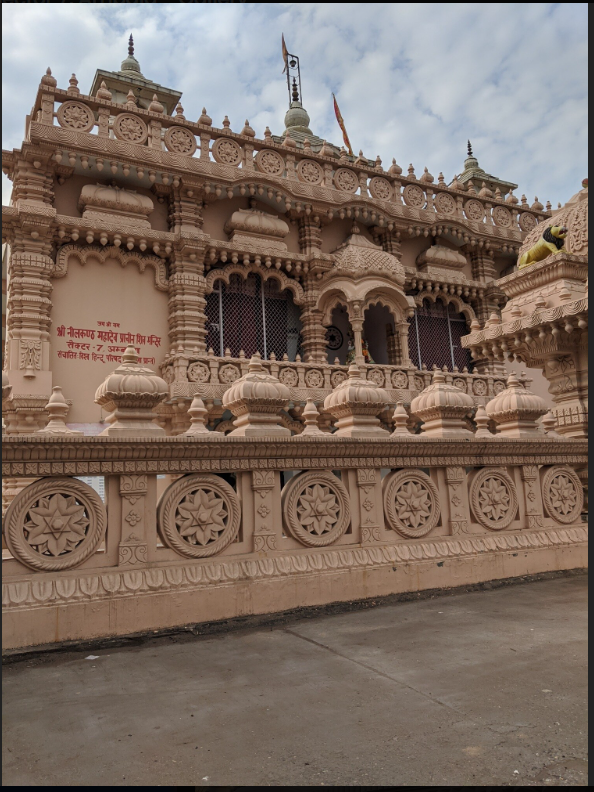
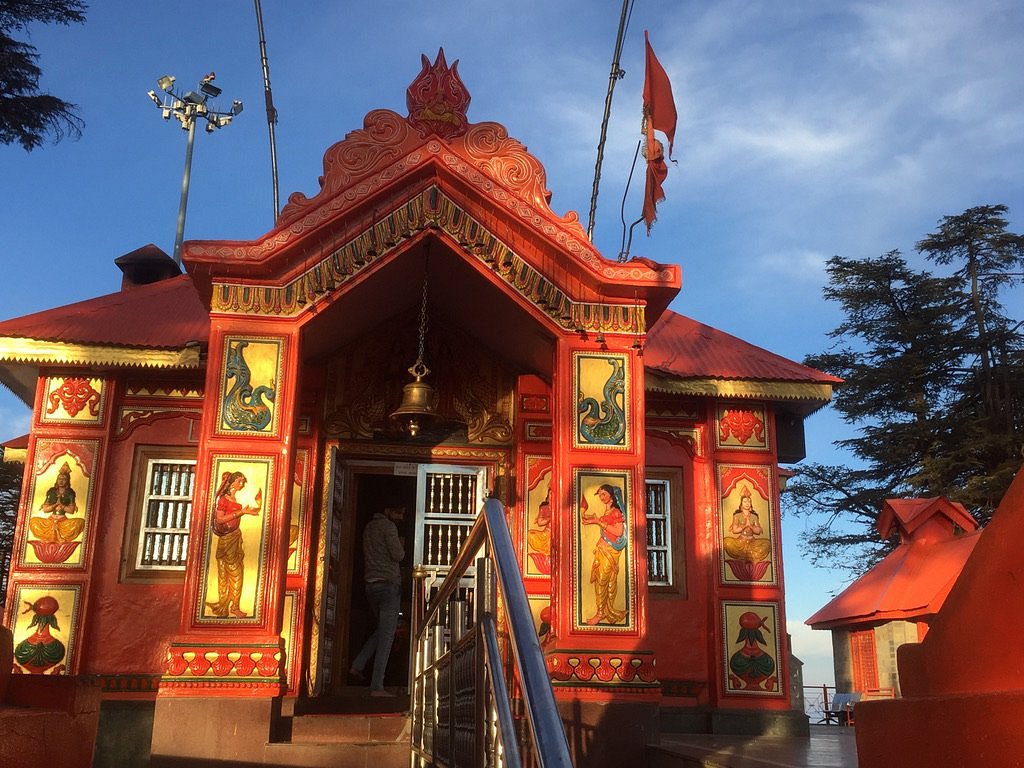
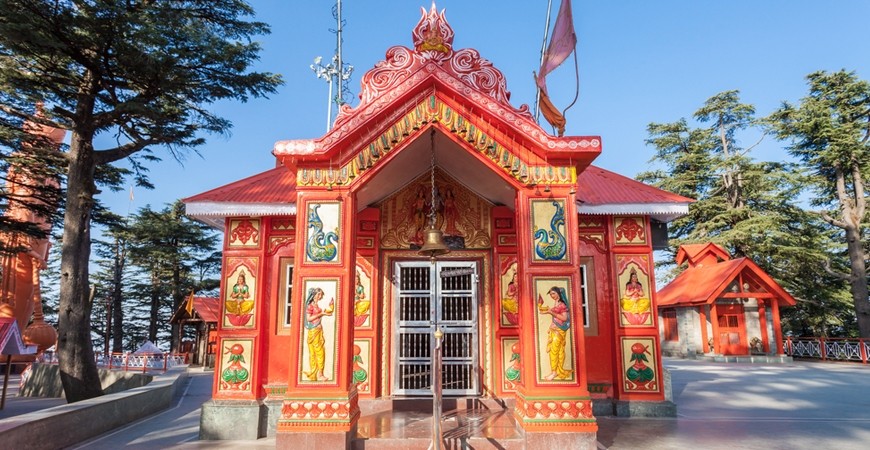
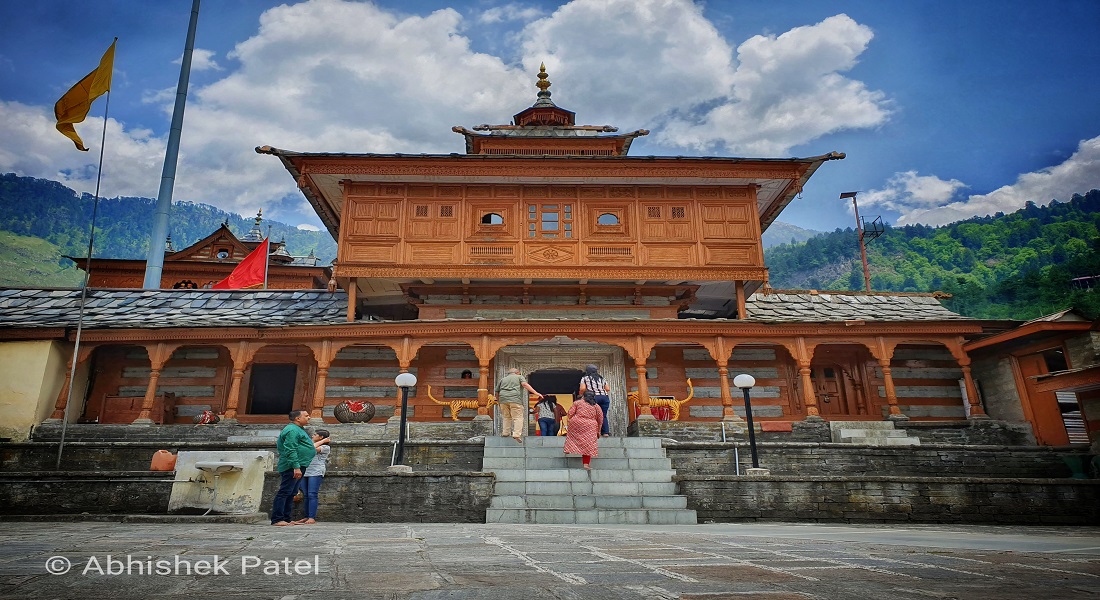
The temple, constructed in the early 19th century, features thirty-eight panels of wall paintings, intricate floral designs on walls and ceilings, and a spacious layout that accommodates pilgrims. The complex combines traditional Himalayan temple architecture with vibrant artistic elements, preserving the heritage of the era.
Temple Accessibility and Pilgrimage
Shri Mansa Devi Temple is easily accessible by road from Panchkula and nearby cities. Devotees and tourists can reach the temple via private vehicles, buses, or taxis. The temple sees its highest footfall during Navratri, when the entire complex is decorated and lively with rituals, prayers, and cultural celebrations.
Conclusion
Shri Mansa Devi Temple stands as a symbol of divine feminine power, devotion, and spiritual heritage. Its rich mythological history, serene location in the Shivalik foothills, and vibrant cultural practices make it one of the most important Shakti temples in North India. The temple continues to inspire faith, devotion, and spiritual energy among pilgrims from all over the country.
Map View
Location
Invalid YouTube URL


Leave feedback about this