





Description
Introduction
Savitri Shakti Peeth is one of the sacred Shakti Peethas associated with Goddess Sati, located in Pushkar, Rajasthan. The temple is dedicated to Goddess Savitri, a powerful manifestation of Adi Shakti, and is situated atop the Ratnagiri Hill, overlooking the holy Pushkar Lake. The peeth holds immense spiritual significance in Shakta tradition and Hindu mythology.
Location and Sacred Geography
The Savitri Shakti Peeth is located about 2 km from Pushkar town, near Ajmer. Perched on Ratnagiri Hill, the temple offers a panoramic view of Pushkar and its sacred lake. Pilgrims can reach the temple by climbing around 300 steps or by using the ropeway, making the journey both devotional and scenic.
Mythological Significance
According to Hindu mythology, after the self-immolation of Goddess Sati during Daksha’s yajna, Lord Shiva wandered the universe carrying her body. To restore cosmic balance, Lord Vishnu dismembered Sati’s body using his Sudarshan Chakra. The places where her body parts fell became known as Shakti Peethas.
It is believed that Sati’s hands (or wrists) fell at this site, and the Goddess is worshipped here as Savitri, while Lord Brahma is revered as her Bhairava. This association is especially significant because Pushkar is one of the very few places in the world where Lord Brahma is worshipped.
Religious Importance
Savitri Shakti Peeth is closely connected with the Pushkar Brahma Temple, forming a rare and sacred spiritual triangle of Brahma, Savitri, and Gayatri. Devotees believe that worshipping Goddess Savitri grants wisdom, marital harmony, and spiritual strength.
The temple holds special importance during:
Navratri
Kartik Purnima
Pushkar Fair
During these times, the temple attracts thousands of pilgrims and devotees.
Temple Architecture
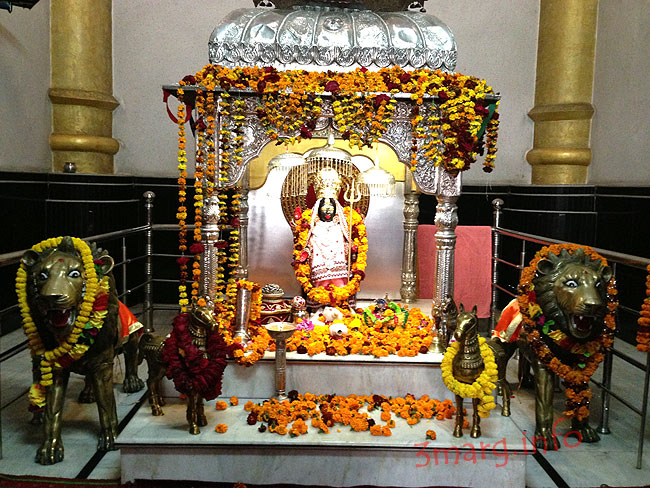
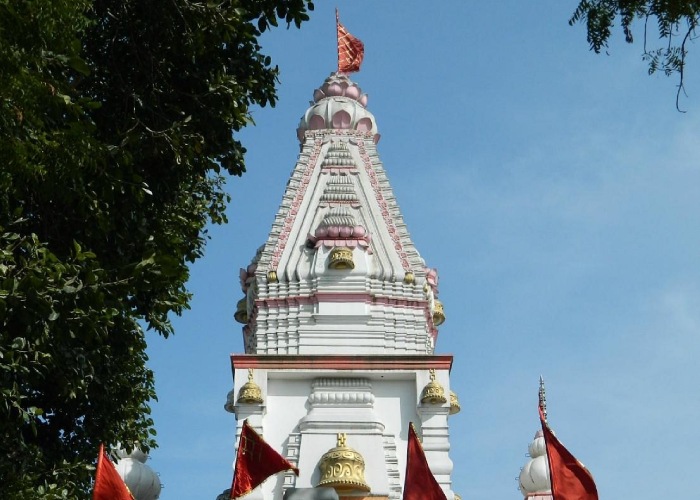
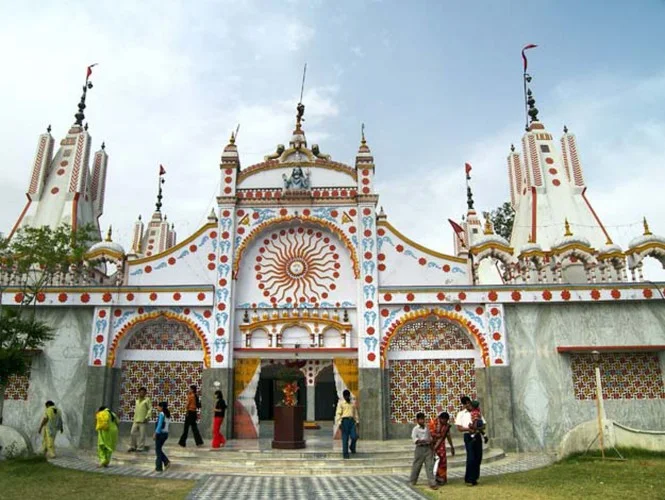
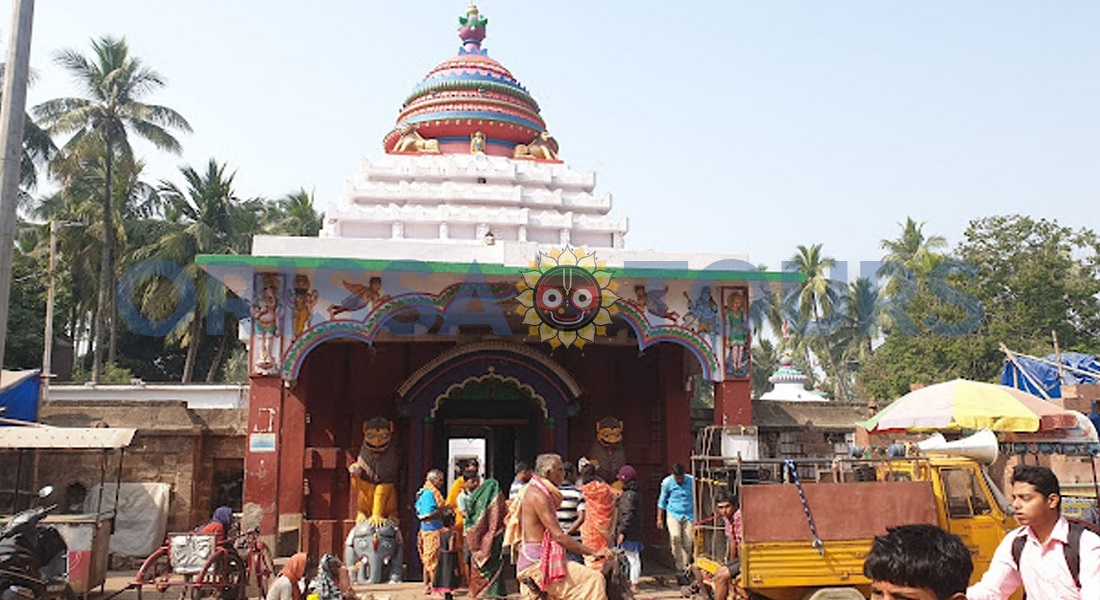
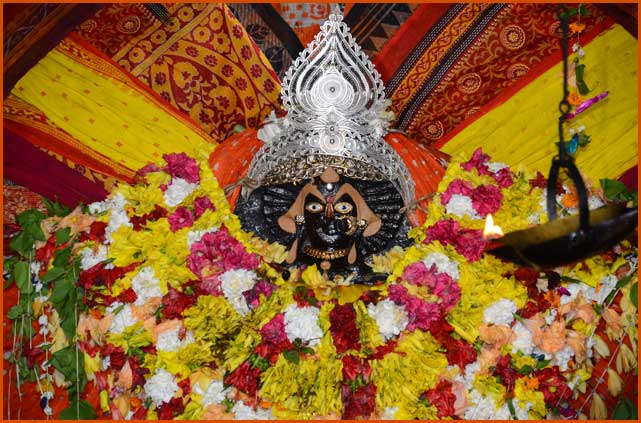
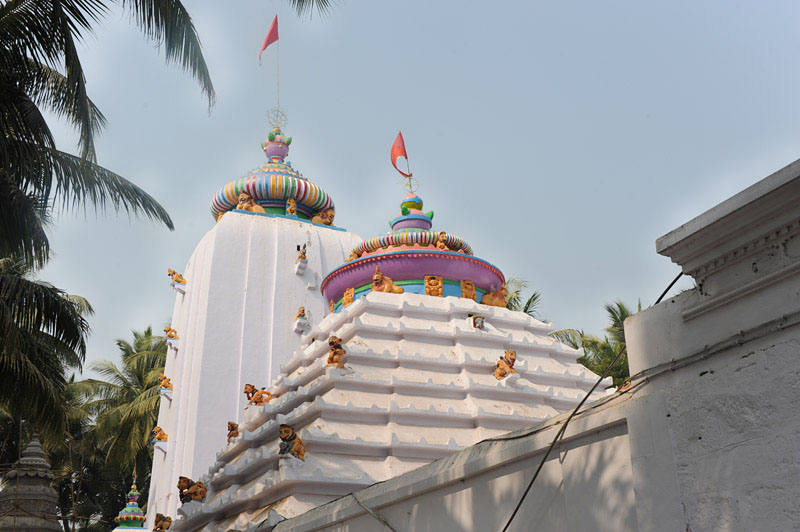
The Savitri Temple is relatively simple in structure but rich in spiritual aura. Built with traditional Rajasthani architectural elements, the temple complex includes the sanctum housing the idol of Goddess Savitri. The elevated location enhances the temple’s serenity and symbolic closeness to the divine.
Rituals and Worship
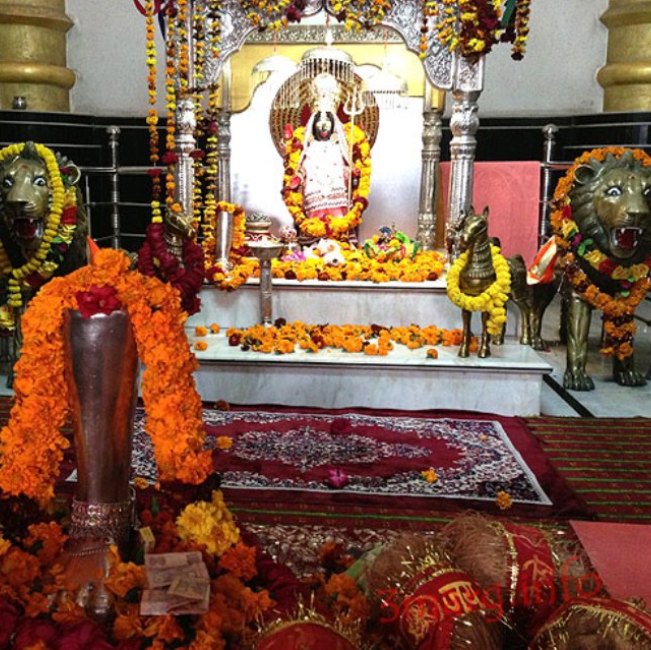
Daily worship and aartis are performed at the temple. Devotees offer flowers, vermilion, coconuts, and sweets to the Goddess. The temple is especially vibrant during early mornings and evenings, when the surroundings resonate with chants and bells.
Spiritual Significance
Savitri is revered as the goddess of truth, devotion, and marital fidelity. The Shakti Peeth symbolizes the eternal power of the Divine Feminine and reinforces the belief that Shakti (energy) is inseparable from Shiva (consciousness).
Conclusion
Savitri Shakti Peeth stands as a powerful center of Shakti worship, combining mythological depth, spiritual energy, and natural beauty. Overlooking the sacred town of Pushkar, the temple remains a vital pilgrimage site for devotees seeking divine grace, inner strength, and spiritual enlightenment.










Leave feedback about this