



Introduction
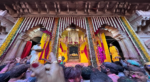
Sri Radha Raman Temple is a prominent Hindu temple located in Vrindavan, Uttar Pradesh, India. It is dedicated to Lord Krishna, who is worshipped here in the form of Radha Ramana, meaning “the one who gives pleasure to Radha.” The temple is one of the most sacred and historically significant shrines in Vrindavan.
Historical Background
The temple was established in 1542 AD by Gopala Bhatta Goswami, one of the six Goswamis of Vrindavan and a close follower of Sri Chaitanya Mahaprabhu. According to tradition, the deity of Radha Ramana manifested स्वयं (self-appeared) from a Shaligram Shila. This miraculous appearance is considered a divine event, making the temple extremely special among devotees.
Deity and Unique Feature
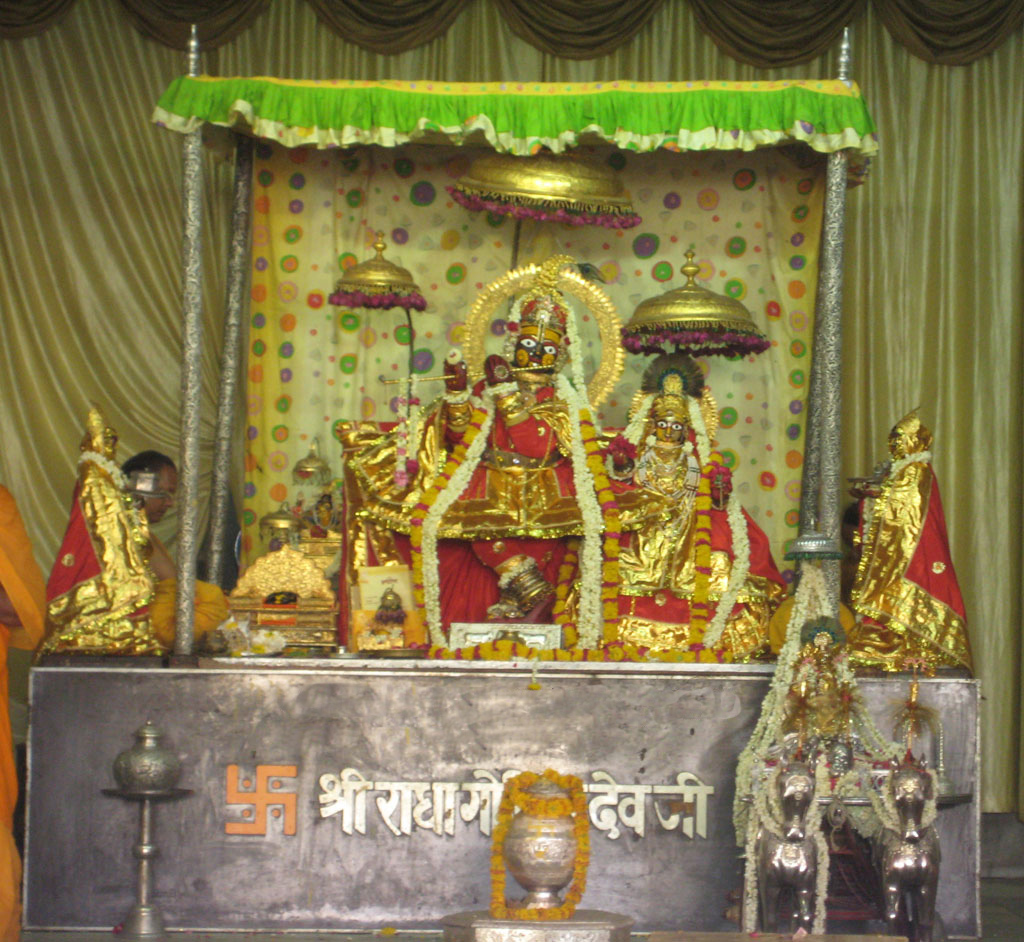
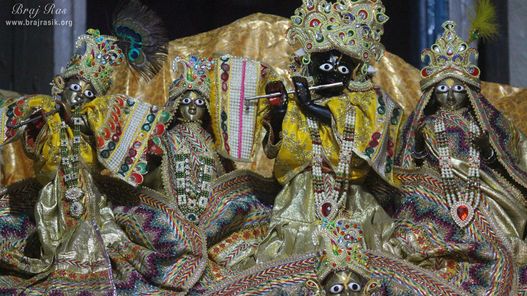
The presiding deity, Radha Ramana, represents Lord Krishna. The idol is small yet exquisitely beautiful and detailed. Unlike many other temples, there is no separate idol of Radha Rani placed beside Krishna. Instead, a symbolic representation of Radha is worshipped next to the deity. Devotees believe that Radha and Krishna are eternally united in the form of Radha Ramana.
Architecture
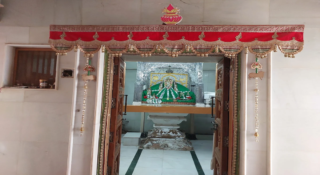
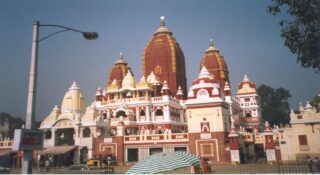
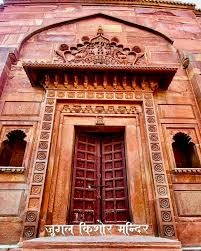
The temple is built in traditional North Indian style with a simple yet graceful design. The sanctum (garbhagriha) houses the self-manifested deity. The temple complex maintains an ancient and devotional atmosphere, reflecting the spiritual heritage of Vrindavan.
Religious Importance
Sri Radha Raman Temple holds great importance in the Gaudiya Vaishnava tradition. It is one of the important temples connected with the teachings of Chaitanya Mahaprabhu. The temple is also known for maintaining uninterrupted worship since its establishment, even during difficult historical periods.
Worship and Rituals
Daily worship at the temple follows strict traditional rituals. The deity is adorned with beautiful dresses and ornaments, and several aartis are performed throughout the day. Devotional singing (kirtan) and offerings of food (bhog) are an essential part of temple activities.
Festivals
Major festivals such as Janmashtami, Radhashtami, Nityananda Trayodashi, and the appearance day of Radha Raman are celebrated with grandeur. During these festivals, the temple is decorated magnificently, and large numbers of devotees gather to participate in the celebrations.
Present Significance
Today, Sri Radha Raman Temple remains a vibrant center of devotion in Vrindavan. It attracts pilgrims and spiritual seekers from across India and around the world who come to experience the divine presence of Lord Krishna as Radha Ramana.










Leave feedback about this