





Description
Introduction
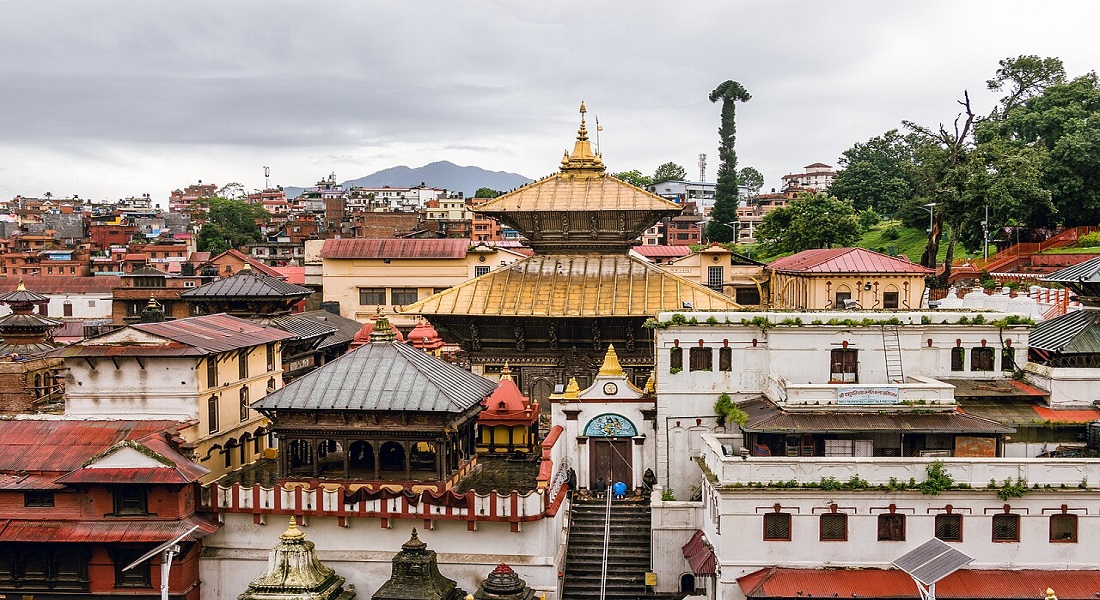
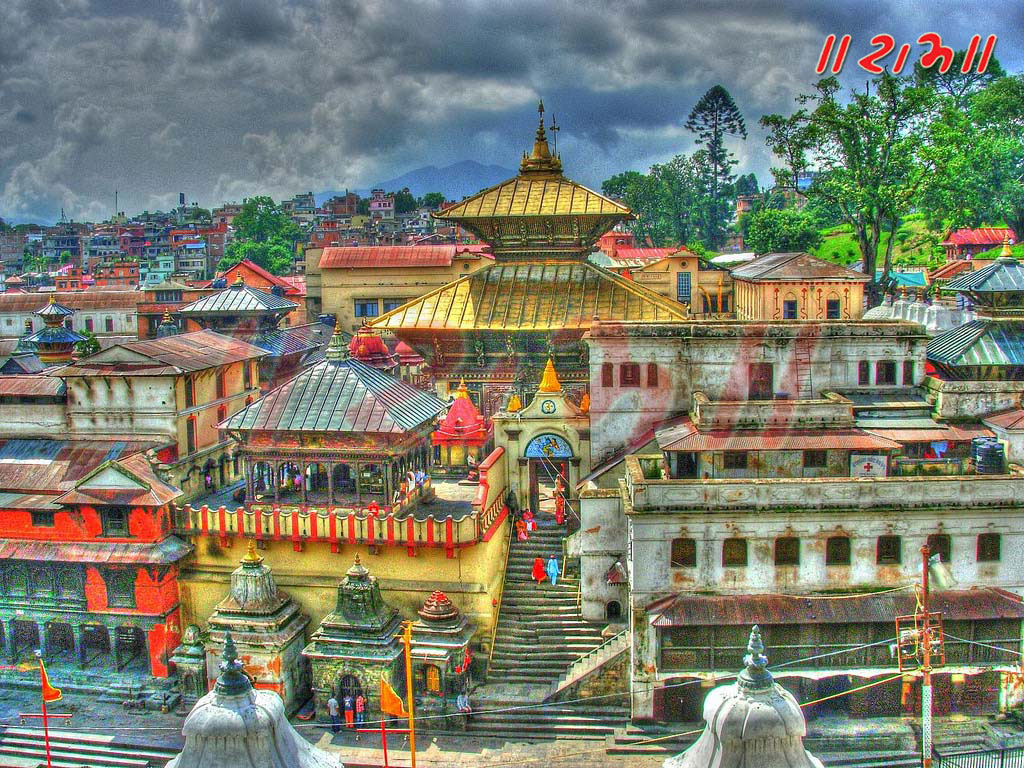
Pashupatinath Temple is one of the most sacred Hindu temples dedicated to Lord Shiva. Located in Kathmandu, Nepal, it is regarded as the most important Shiva temple in the world and holds immense religious and spiritual significance for devotees.
Location
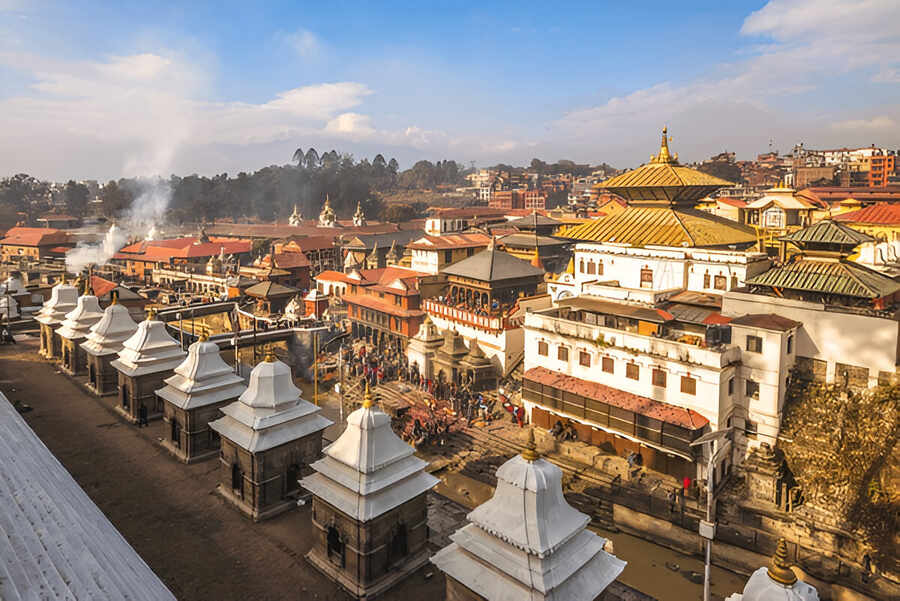
The temple is situated on the banks of the Bagmati River in eastern Kathmandu. The river is considered holy, and rituals performed here are believed to aid spiritual purification.
Religious Significance
Lord Shiva is worshipped here as Pashupati, meaning “Lord of all living beings.” The temple is a major pilgrimage site, especially during Mahashivratri, when thousands of devotees and sadhus visit from India and across the world.
Historical Importance
Pashupatinath Temple is believed to date back to at least the 5th century, with references found in ancient scriptures. It is a UNESCO World Heritage Site, reflecting its cultural and historical value.
Architecture
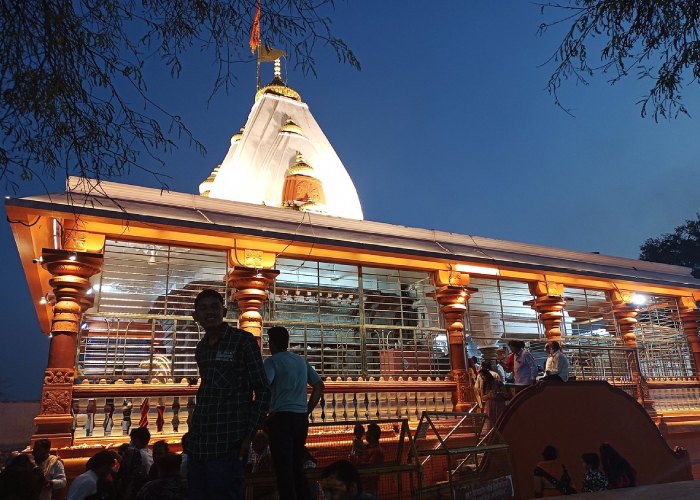
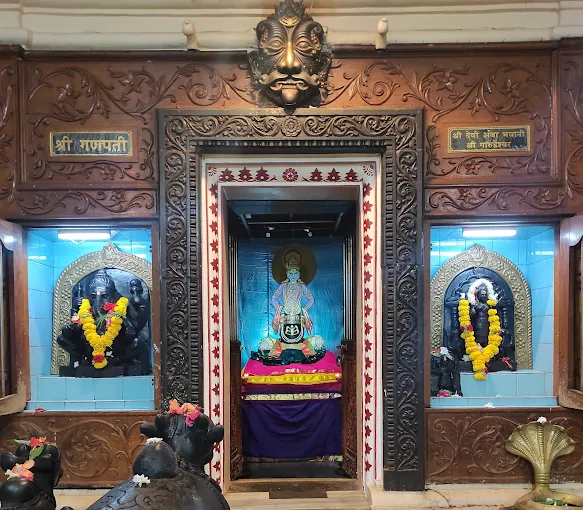
The temple is built in Pagoda-style architecture with a golden roof, silver doors, and richly carved wooden rafters. The sanctum houses a sacred four-faced (chaturmukha) Shiva lingam.
Rituals and Traditions
Daily rituals, abhisheks, and evening aarti are performed with great devotion. The nearby cremation ghats along the Bagmati River emphasize the Hindu philosophy of life, death, and liberation.
Conclusion
Pashupatinath Temple is not only a place of worship but a powerful center of spirituality, tradition, and faith. Its sacred atmosphere, ancient heritage, and deep religious importance make it one of the most revered temples in the Hindu world.








Leave feedback about this