




Description
Introduction
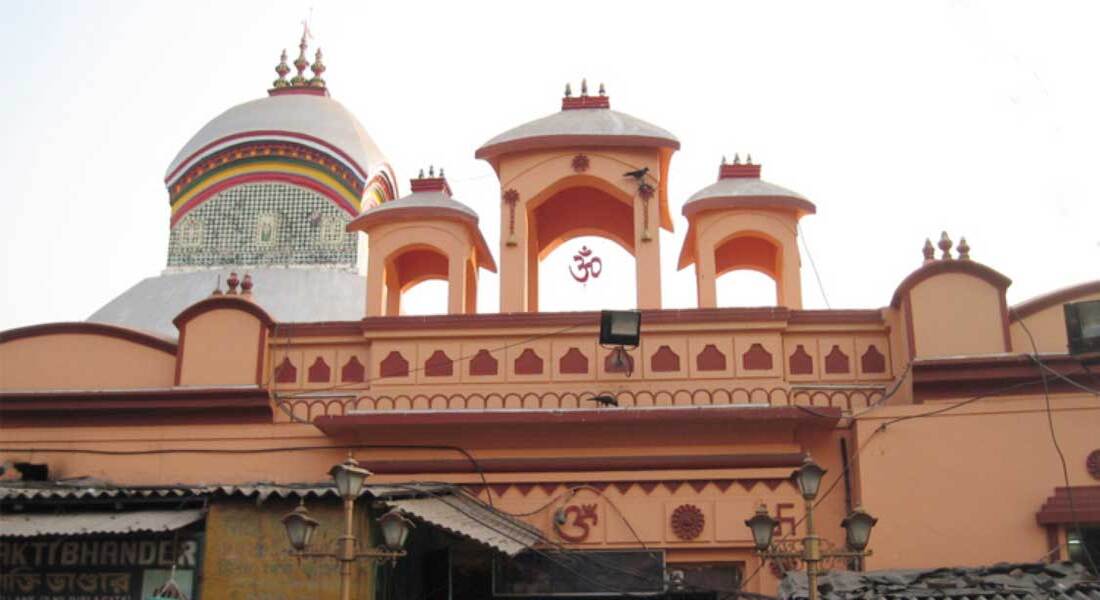
Kalighat Kali Temple, located in Kolkata, West Bengal, is regarded as one of the holiest Shakti Peethas among the 52 Shakti Peethams of India. The temple is dedicated to Goddess Kali and holds immense religious and spiritual significance for devotees of Shakti worship.
Mythological Significance
According to Hindu mythology, Kalighat marks the sacred spot where the toes of the right foot of Goddess Sati fell during Lord Shiva’s Rudra Tandava, performed after Sati’s self-immolation. This event led to the formation of the Shakti Peethas across the Indian subcontinent.Another legend narrates that a devotee once witnessed a radiant beam of light emerging from the Bhagirathi River. Upon investigation, he discovered a stone shaped like a human toe along with a Svayambhu (self-manifested) Lingam of Nakuleshwar Bhairava. These sacred symbols were worshipped in a forest shrine, which later developed into the Kalighat Kali Temple.
Historical Background
The original temple was built by Raja Basanta Roy, the King of Jessore (present-day Bangladesh) and the uncle of Pratapaditya. Initially, the temple stood on the banks of the Hooghly River, but over time, the river changed its course. Historically, Kalighat was an important halt for traders, who would stop to seek blessings from Goddess Kali before continuing their journeys.
Location and Temple Complex
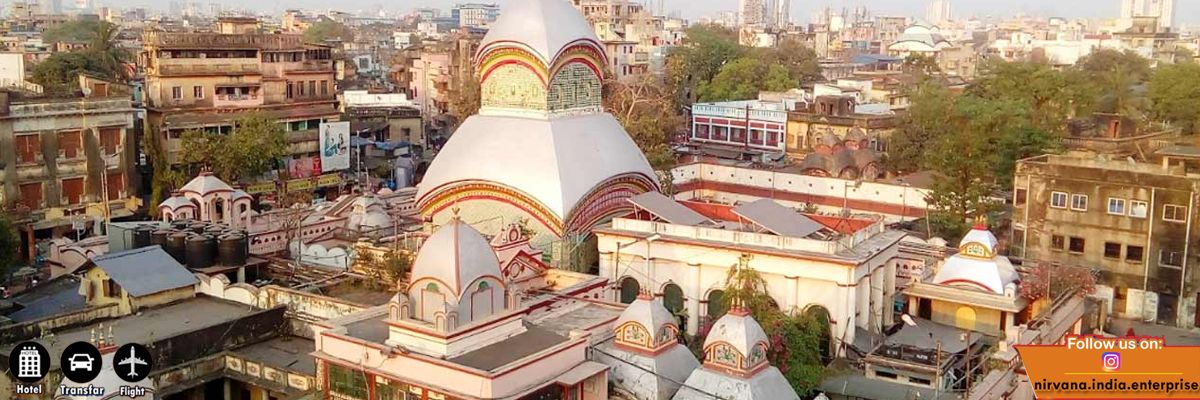
The temple is situated on the banks of the Adi Ganga, an ancient channel of the Ganges. The complex includes the main sanctum sanctorum, a large hall known as the Nat Mandir, a Shiva temple located to the northeast, and an additional shrine dedicated to Radha–Krishna.
Deity and Unique Features
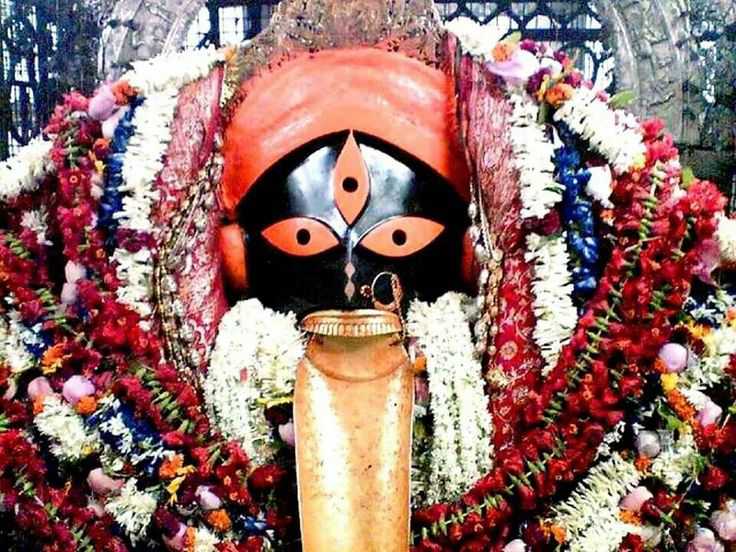
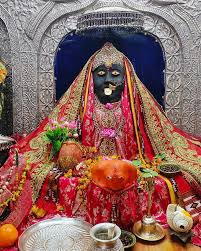
The principal deity, Goddess Kali, is depicted in an incomplete form. Initially, only the face of the goddess was carved, with the tongue and hands later crafted from gold and silver. The most striking feature of the idol is the long, protruding golden tongue, symbolizing divine power and protection.
Rituals and Festivals
During the sacred Snan Yatra (ritual bathing ceremony), priests cover their eyes with cloth while bathing the deity, reflecting deep reverence and tradition. Major festivals such as Kali Puja, Durga Puja, Poila Boishakh (Bengali New Year), and Sankranti attract massive crowds of devotees who offer prayers and sacrifices.
Conclusion
Kalighat Kali Temple stands as a powerful symbol of Shakti worship, devotion, and ancient tradition. As one of the most revered Shakti Peethas, it continues to draw millions of pilgrims seeking blessings, protection, and spiritual fulfillment.


Leave feedback about this