





Description
Introduction
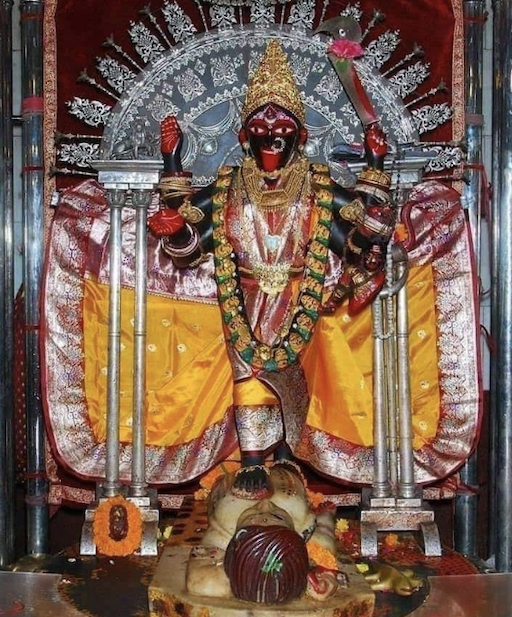
Dakshineswar Kali Temple is a famous Hindu temple located on the eastern bank of the Hooghly River in Kolkata, West Bengal. Dedicated to Goddess Bhavatarini Kali, the temple is one of the most revered spiritual centers in India and is closely associated with Sri Ramakrishna Paramahamsa.
Location and Surroundings
The temple is situated at Dakshineswar, about 12 km north of central Kolkata. Set along the serene Hooghly River, the temple complex offers a peaceful environment that enhances spiritual reflection and devotion.
Historical Background
Dakshineswar Kali Temple was built in 1855 by Rani Rashmoni, a philanthropist and devotee of Goddess Kali. She constructed the temple after receiving a divine vision instructing her to establish a shrine dedicated to the Goddess.
Religious and Spiritual Significance
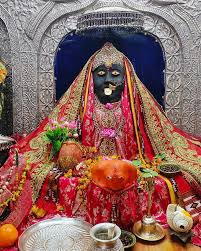
The presiding deity, Goddess Bhavatarini Kali, is worshipped as the savior who helps devotees cross the ocean of worldly existence. The temple gained worldwide recognition due to Sri Ramakrishna Paramahamsa, who served as the chief priest and attained profound spiritual realizations here.
Temple Architecture and Complex
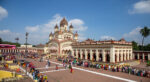
The temple is built in the traditional Navaratna (nine-spired) architectural style. The complex includes twelve Shiva temples arranged in a row, a Radha–Krishna temple, the Nat Mandir, and the living quarters of Sri Ramakrishna.
Festivals and Worship
Major festivals such as Kali Puja, Durga Puja, and Snan Yatra are celebrated with great devotion. Daily rituals, aarti, and offerings attract thousands of devotees and visitors throughout the year.
Conclusion
Dakshineswar Kali Temple stands as a symbol of devotion, spiritual awakening, and religious harmony. With its deep association with Sri Ramakrishna and its serene riverside setting, the temple continues to inspire millions of devotees and spiritual seekers.


Leave feedback about this