






Description
Introduction
The Shore Temple is one of the oldest structural stone temples in South India and a remarkable example of early Dravidian architecture. Overlooking the shores of the Bay of Bengal, the temple stands as a symbol of India’s rich cultural and architectural heritage. It dates back to the 8th century AD and is one of the most iconic monuments of Tamil Nadu.
Location
The temple is located in Mahabalipuram (Mamallapuram), about 60 kilometres south of Chennai, in the state of Tamil Nadu, India. Its unique seaside location gives it a breathtaking and historic appearance.
Historical Background
The Shore Temple was built during the reign of the Pallava dynasty, particularly under King Narasimhavarman II (Rajasimha). It represents one of the earliest examples of structural temples in South India, transitioning from rock-cut architecture to free-standing stone temples.
Architecture
Unlike the earlier rock-cut caves of Mahabalipuram, the Shore Temple is a structural temple built with blocks of granite. The temple complex consists of three shrines, two dedicated to Lord Shiva and one to Lord Vishnu. The pyramidal towers (shikharas) and intricate carvings reflect the classic Dravidian architectural style.
Religious Significance
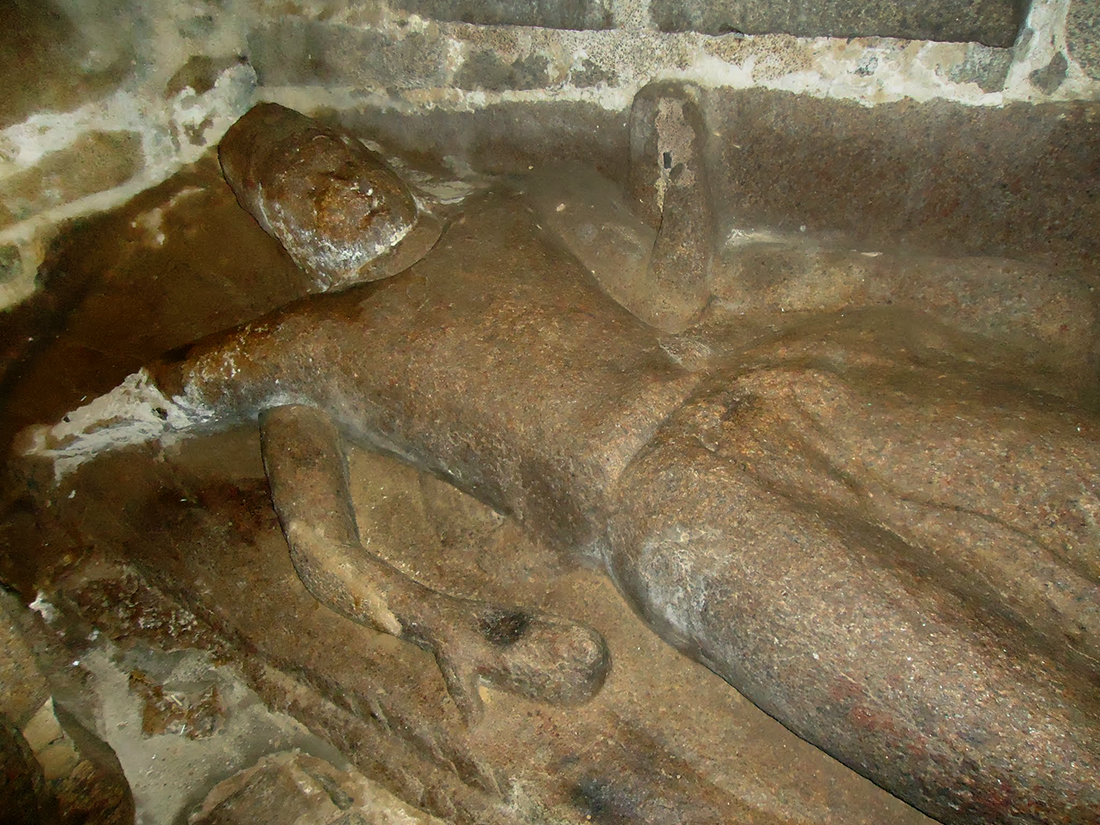
The temple is primarily dedicated to Lord Shiva, with one shrine dedicated to Lord Vishnu in a reclining posture. It has been an important center of worship and pilgrimage since ancient times.
UNESCO World Heritage Status
The Shore Temple is part of the Group of Monuments at Mahabalipuram, which is recognized as a UNESCO World Heritage Site. It attracts historians, architects, and tourists from around the world.
Cultural and Tourist Importance
Today, the Shore Temple is one of the most visited tourist attractions in Tamil Nadu. Its scenic location, historical value, and architectural beauty make it a significant landmark representing India’s glorious past.











Leave feedback about this