




Description
Introduction
The Magadha Shakti Peeth is one of the most ancient and revered Shakti Peethas of India. It is believed to be the sacred site where the right thigh of Goddess Sati fell during Lord Shiva’s cosmic dance of destruction (Tandava), performed while carrying her burnt body. This event followed Sati’s self-immolation after her father, King Daksha, insulted Lord Shiva during a grand yajna.
Mythological Significance
According to Hindu mythology, after Sati’s death, a grief-stricken Lord Shiva wandered across the universe with her body. To restore cosmic balance, Lord Vishnu dismembered Sati’s body using the Sudarshan Chakra, and the places where her body parts fell became known as Shakti Peethas.
At Magadha Shakti Peeth, the right thigh of the Goddess is believed to have fallen, making it an important center of Shakti worship.
Location and Historical Background
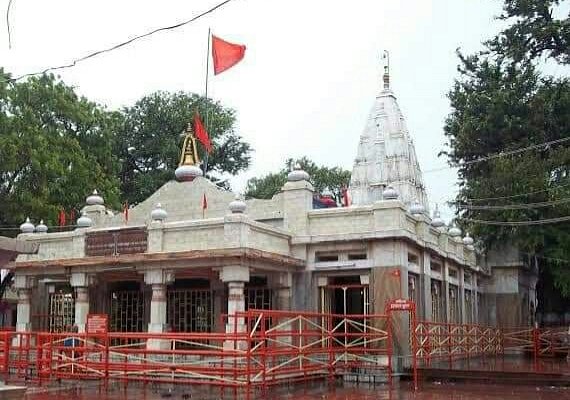
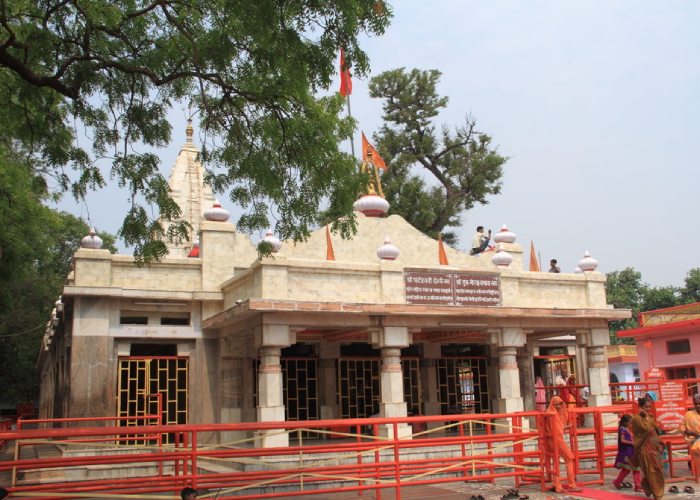
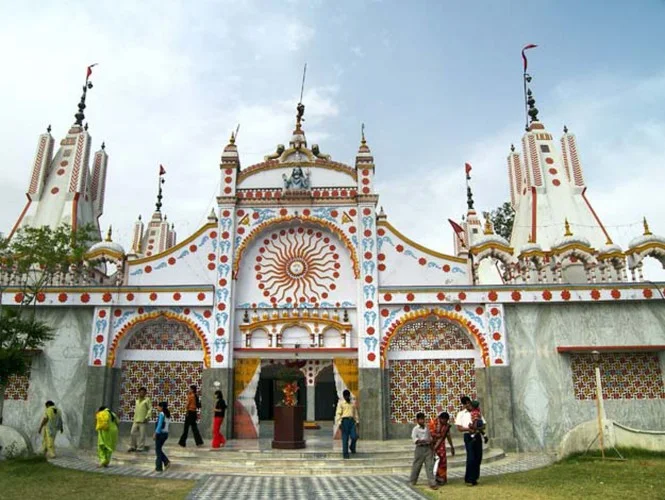
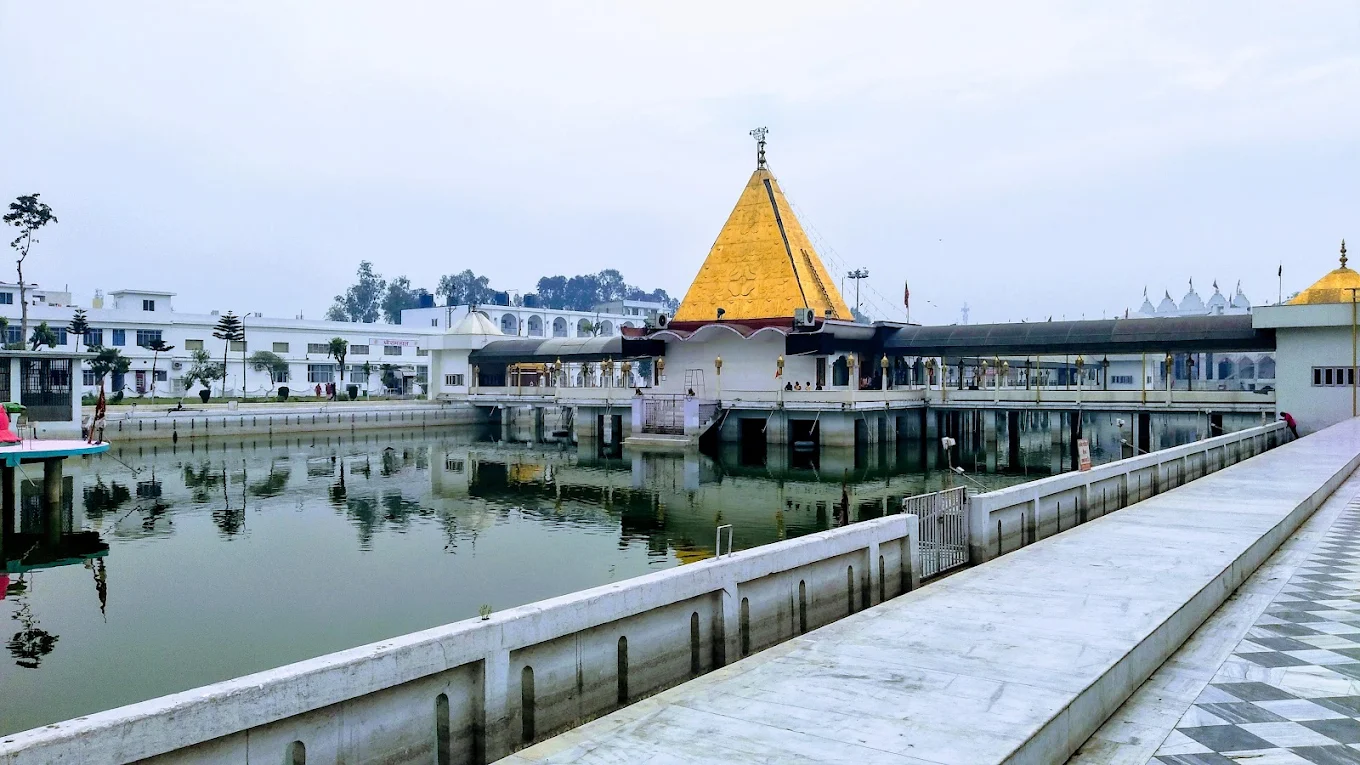
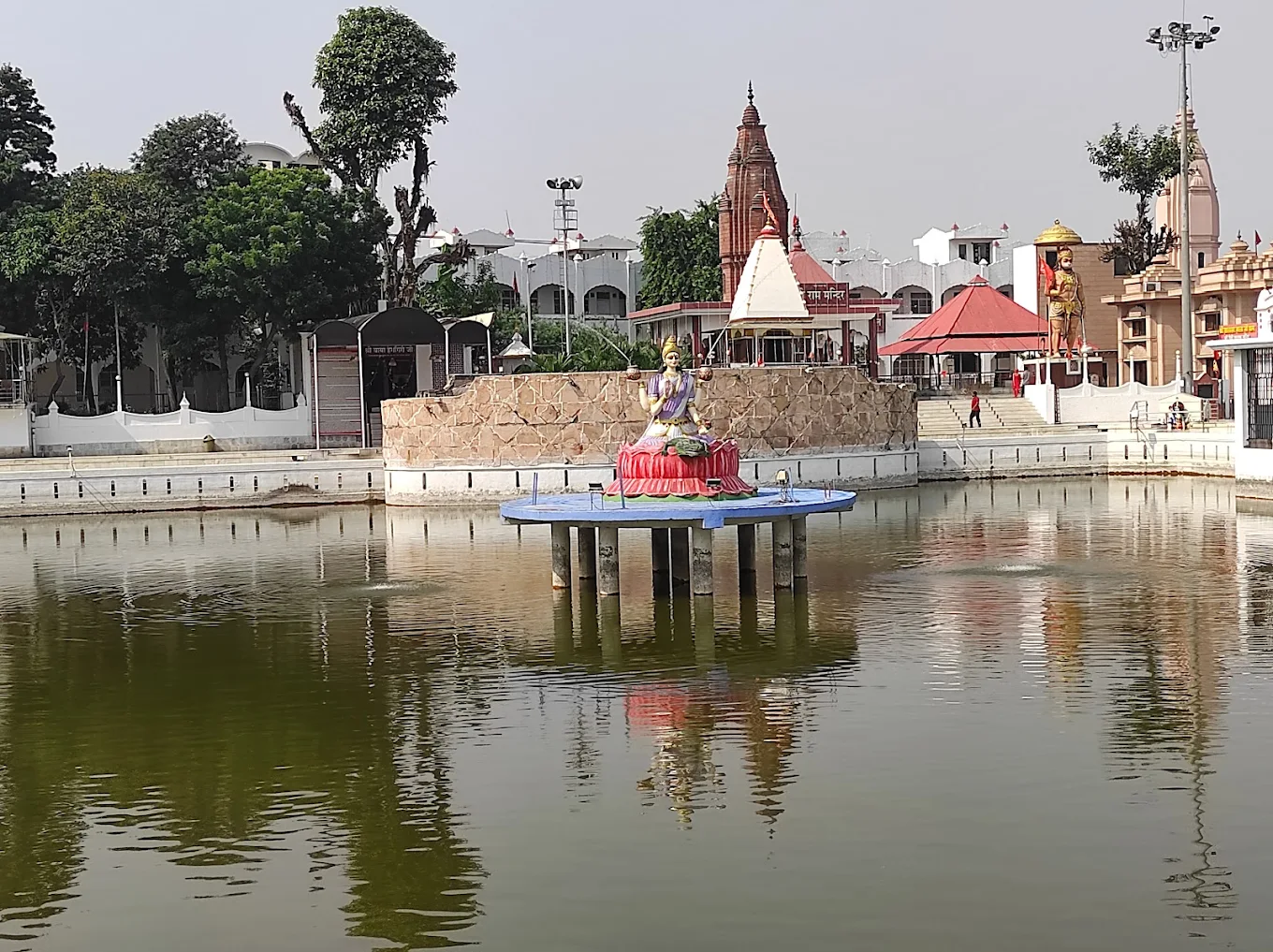
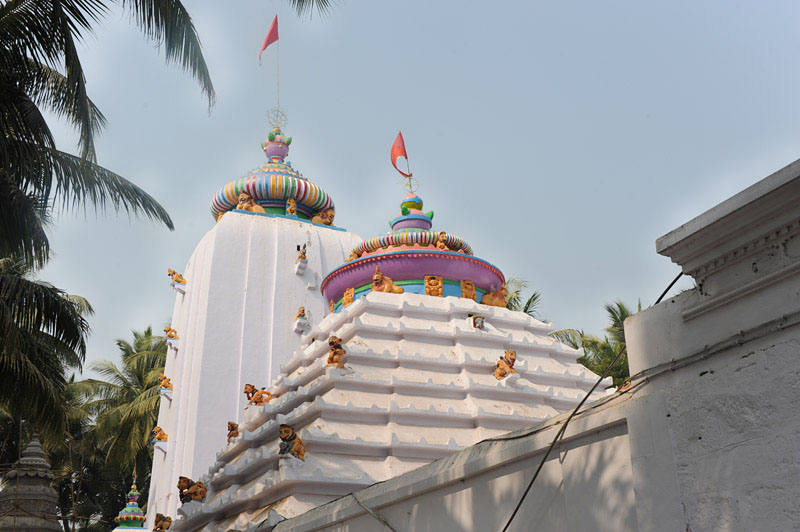
The Shakti Peeth is identified with the Patan Devi Temple, located in the old city of Patna, Bihar. This region was historically known as Pataliputra, the capital of the ancient Magadha Empire, which explains the association with the name “Magadha.”
Pataliputra was a major political, cultural, and religious center of ancient India, further enhancing the importance of this sacred site.
Scriptural References
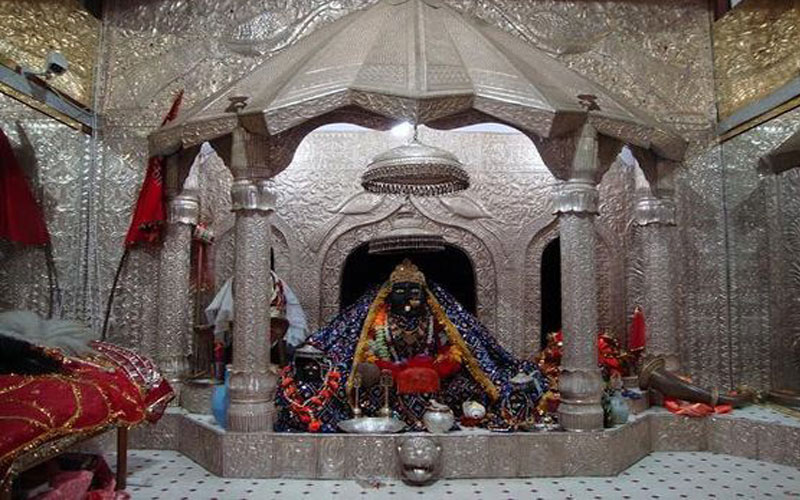
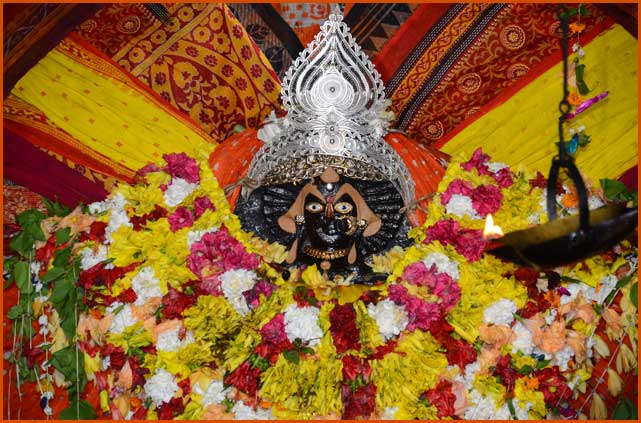
The Magadha Shakti Peeth is mentioned in revered Hindu texts such as the Devi Bhagavata Purana and Tantra Chudamani, confirming its status as an authentic Shakti Peetha. The presiding deity here is Goddess Sarvanandkari, a powerful form of Goddess Durga, worshipped for prosperity, protection, and universal well-being.
Antiquity and Historical Evidence
The original temple is believed to date back to pre-Mauryan times, making it potentially over 2,500 years old. The famous Chinese traveler Xuanzang (Hiuen Tsang) is said to have visited and mentioned this temple during his travels in India in the 7th century CE, highlighting its long-standing religious significance.
Patan Devi Temples
There are two closely located temples associated with this Shakti Peeth:
Badi Patan Devi Temple – regarded as the actual Shakti Peeth, where the divine body part of Goddess Sati fell.
Choti Patan Devi Temple – a nearby shrine housing smaller idols and widely revered by local devotees.
Both temples together form an important pilgrimage center for Shakta worshippers.
Discovery and Continuity of Worship
The Magadha Shakti Peeth was not “discovered” by any single individual. Instead, it gradually emerged as a sacred site through centuries of uninterrupted devotion, rooted in Hindu mythology, tantric traditions, and the historical legacy of ancient Magadha.
Conclusion
The Magadha Shakti Peeth, represented by the Patan Devi Temple, stands as a powerful symbol of Divine Feminine energy, ancient civilization, and enduring faith. Its mythological depth, scriptural validation, and historical continuity make it one of the most significant Shakti Peethas in India.







Leave feedback about this