






Description
Introduction
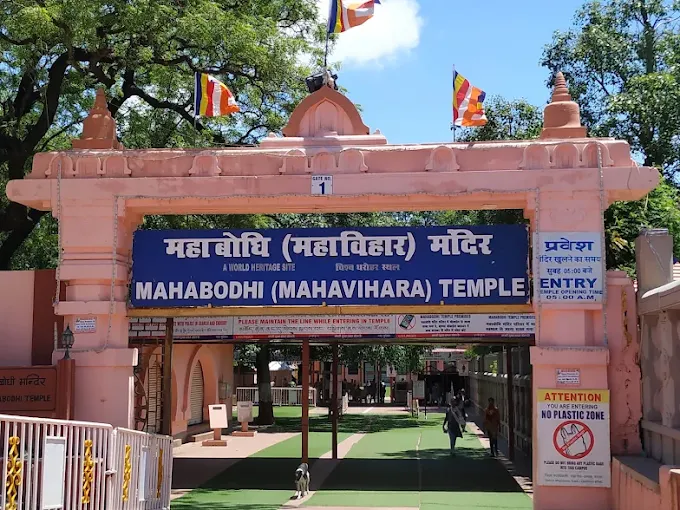
Mahabodhi Temple, located in Bodh Gaya, Bihar, is one of the most sacred and important Buddhist temples in the world. It marks the holy site where Gautama Buddha attained enlightenment under the Bodhi Tree. Recognized as a UNESCO World Heritage Site, the temple attracts Buddhist pilgrims and tourists from across the globe.
Location
The temple is situated in Bodh Gaya, in the Gaya district of Bihar. It is approximately 15 km from Gaya and about 96 km from Patna. The calm and spiritually charged surroundings make it an ideal place for meditation and reflection.
Religious Significance
Mahabodhi Temple is the holiest site in Buddhism. It symbolizes the moment of Buddha’s enlightenment, which laid the foundation of Buddhist philosophy. Devotees from different Buddhist traditions visit the temple to offer prayers, meditate, and seek spiritual wisdom.
Architectural Importance
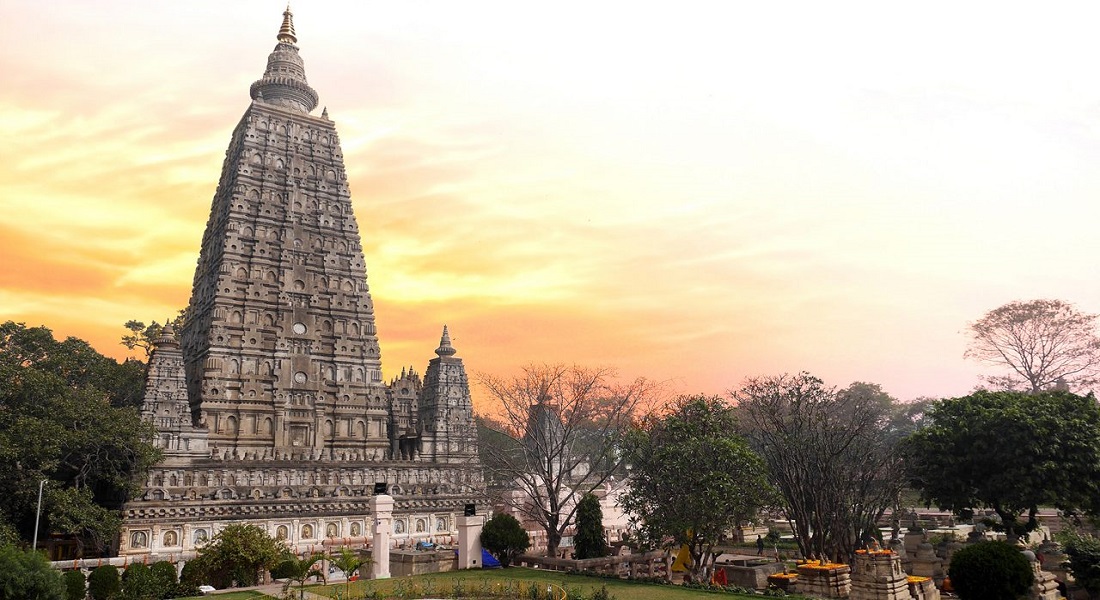
The temple features a magnificent pyramidal tower rising to about 55 meters, built mainly of brick. The complex includes ancient stone railings, beautifully carved statues, and the sacred Bodhi Tree, believed to be a descendant of the original tree under which Buddha meditated.
Historical Importance
The original temple was built by Emperor Ashoka in the 3rd century BCE. Over the centuries, it underwent several restorations. Its long history reflects the continuous reverence and protection of Buddhist heritage.
Spiritual Significance
Mahabodhi Temple offers a deeply peaceful atmosphere for meditation and spiritual practice. Buddhists believe that meditating here helps in attaining inner peace, wisdom, and progress on the path to Nirvana.
Conclusion
Mahabodhi Temple is a timeless symbol of enlightenment, peace, and spiritual awakening. Its religious importance, historical legacy, and serene environment make it one of the most significant pilgrimage destinations and heritage monuments in India.
Map View
Location
Invalid YouTube URL






Leave feedback about this