

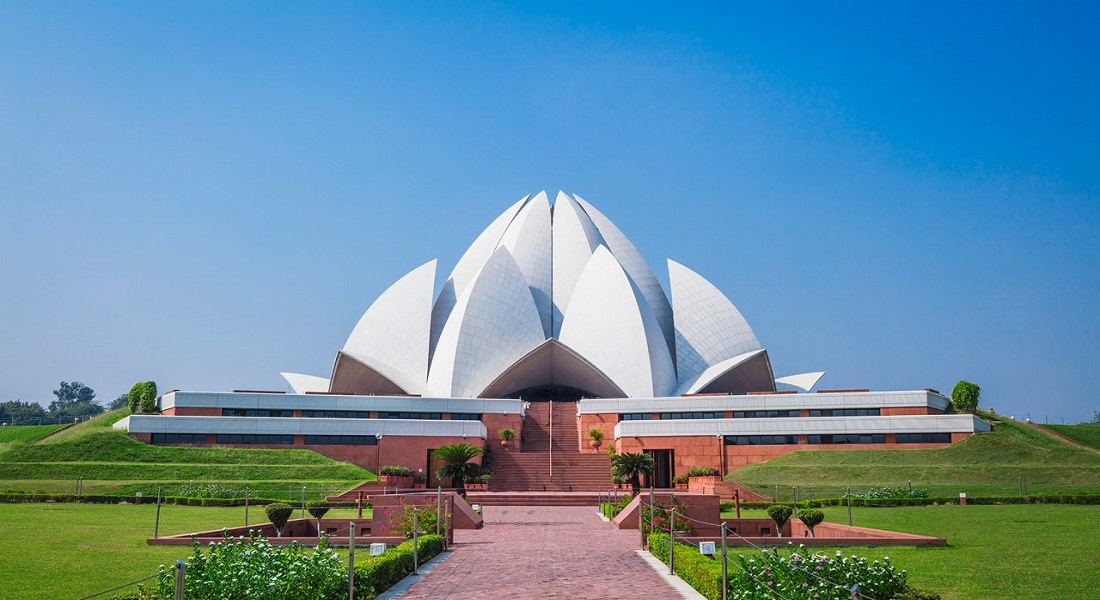

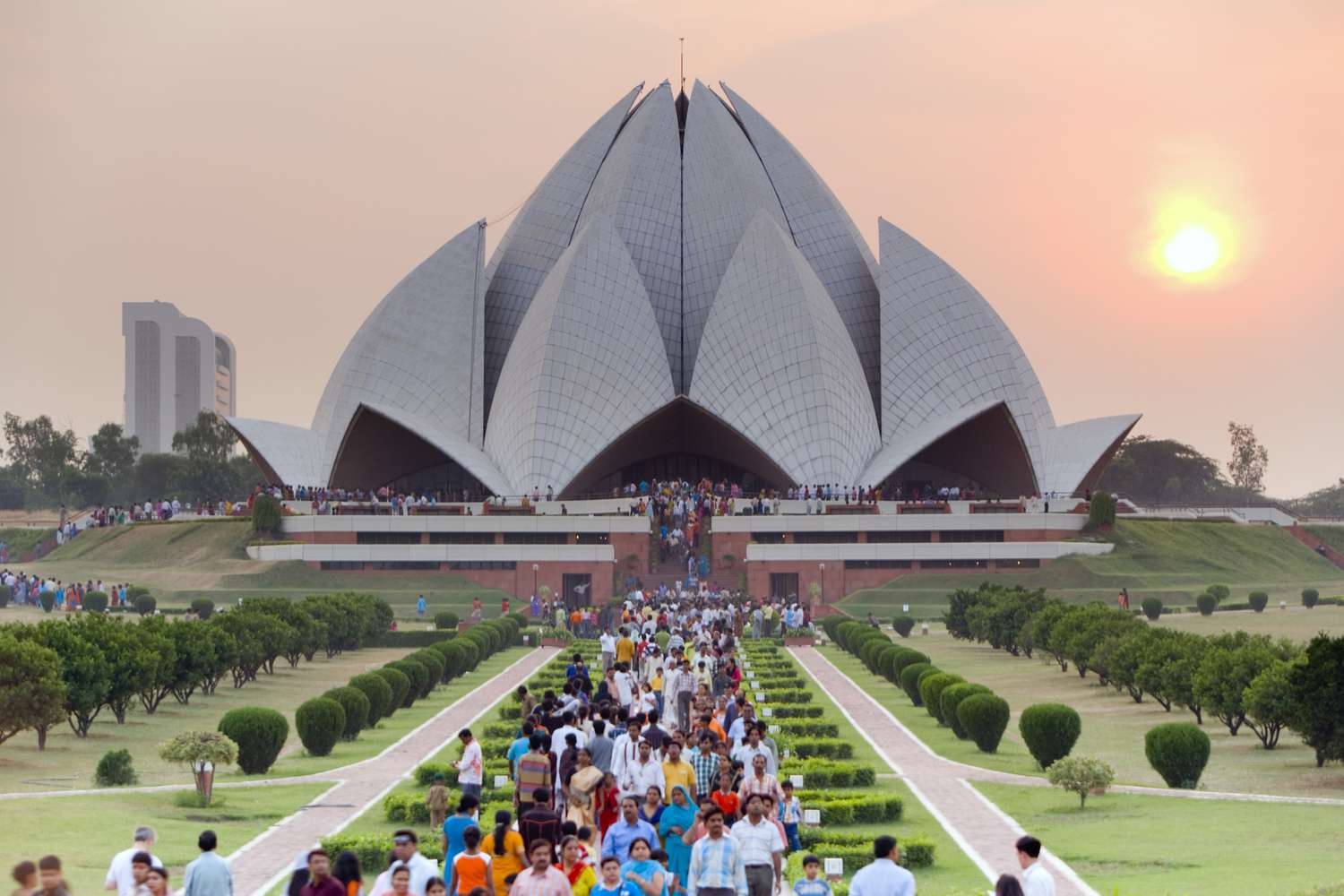
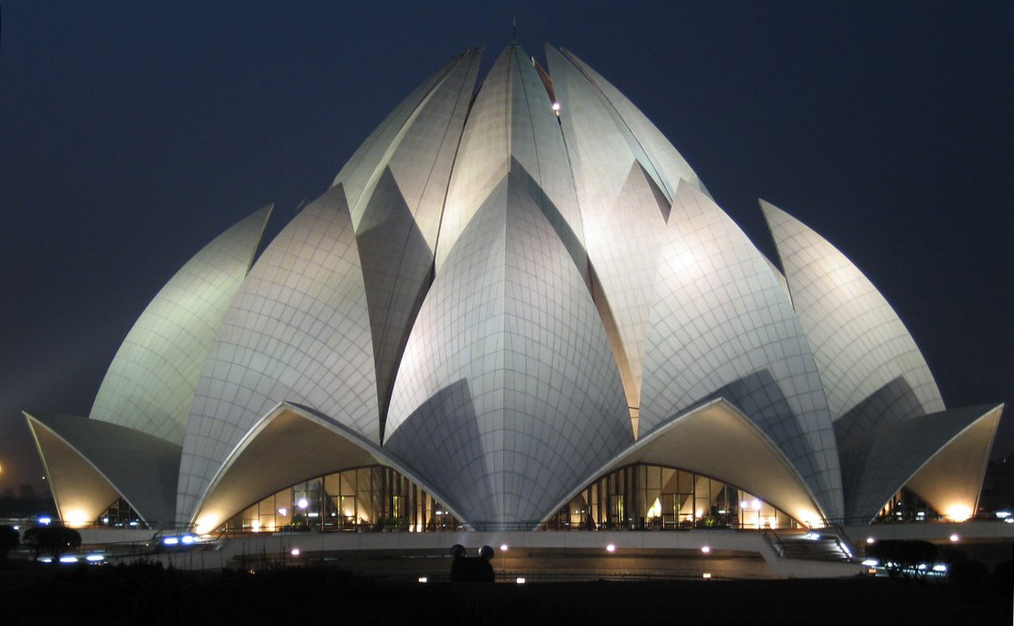


Description
Introduction
The Bahá’í House of Worship, popularly known as the Lotus Temple, is a renowned spiritual landmark located in New Delhi, India. It stands as a symbol of unity, peace, and harmony for all humankind.
Principle of Oneness
Like the eight Bahá’í Houses of Worship around the world, the Lotus Temple represents the oneness of humanity. People of all races, religions, nationalities, and backgrounds are welcome to pray and meditate here without distinction.
Dedication and Belief
The temple is dedicated to one God, the Creator of all humanity and the entire universe. According to the Bahá’í Faith, God is unknowable in His essence and has guided humanity through a series of Divine Messengers or Manifestations across different ages.
Importance of Prayer
The House of Worship emphasizes the vital role of prayer in both individual and community life. Prayer is viewed as a direct spiritual connection between the soul and its Creator, without any form of intermediation.
Collective Worship
Collective worship is a central aspect of the Lotus Temple. Devotional services are universal in nature and open to all, encouraging visitors to uplift their hearts and minds through the Words of God.
Service to Humanity
Along with worship, service to humanity is considered an essential expression of spiritual growth. This service includes acts for the betterment of society, community gatherings, educational initiatives, and efforts that promote unity and cooperation.
Role in Society
The Lotus Temple is envisioned as a centre for social, educational, scientific, and humanitarian services, reflecting its spiritual title as the “dawning-place of the mention of God.”
Ownership and Establishment
The Lotus Temple was dedicated to public worship in 1986. It is owned and managed by the National Spiritual Assembly of the Bahá’ís of India.





Leave feedback about this