



Description
Introduction
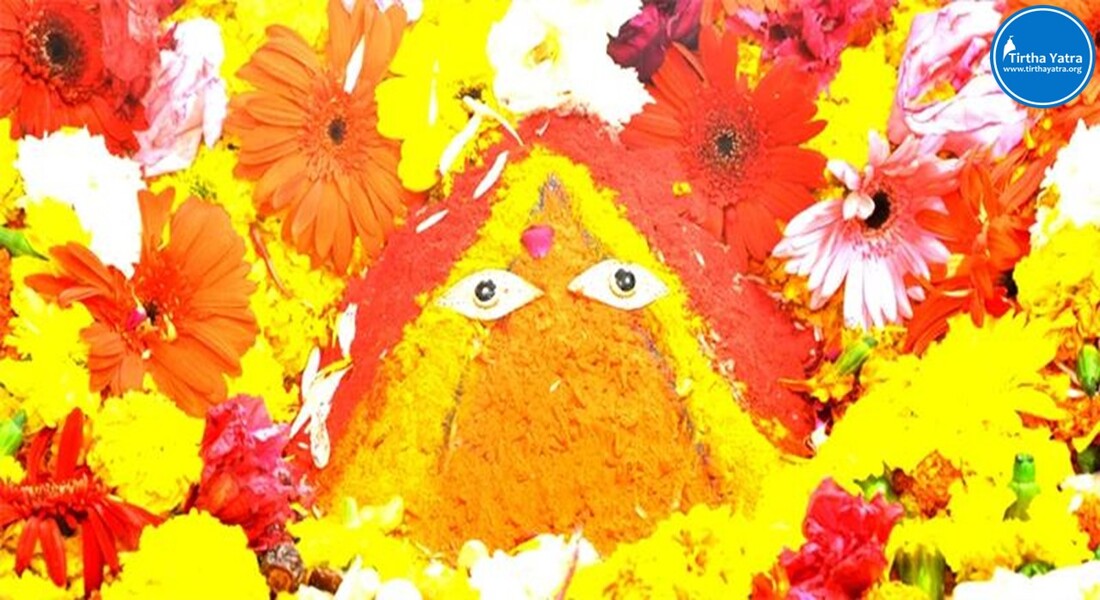
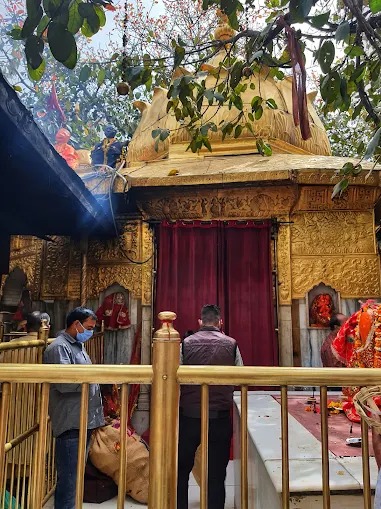
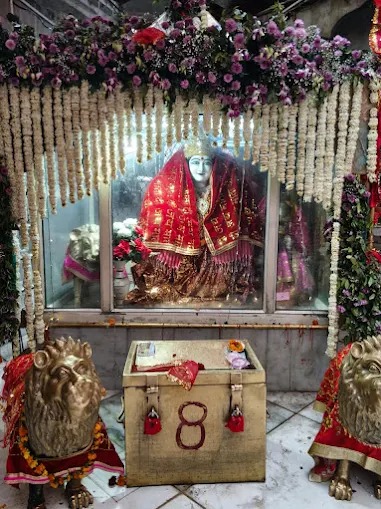
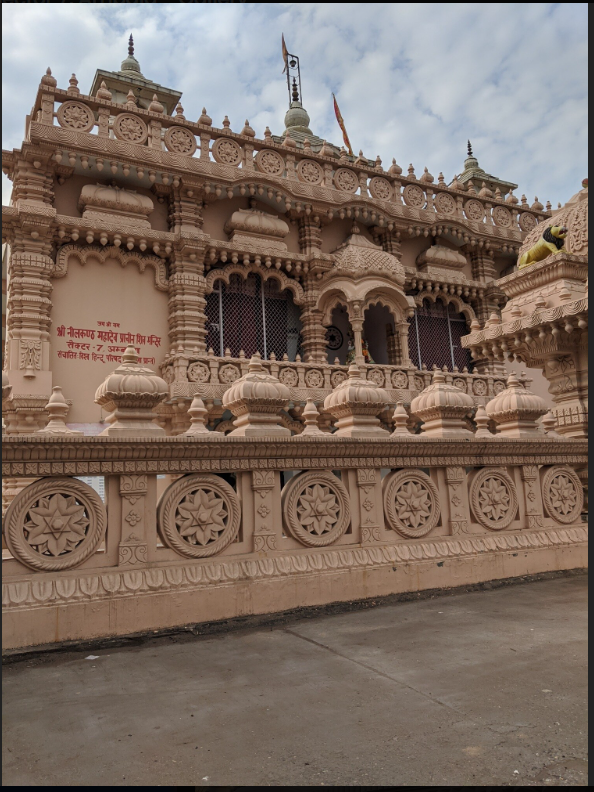
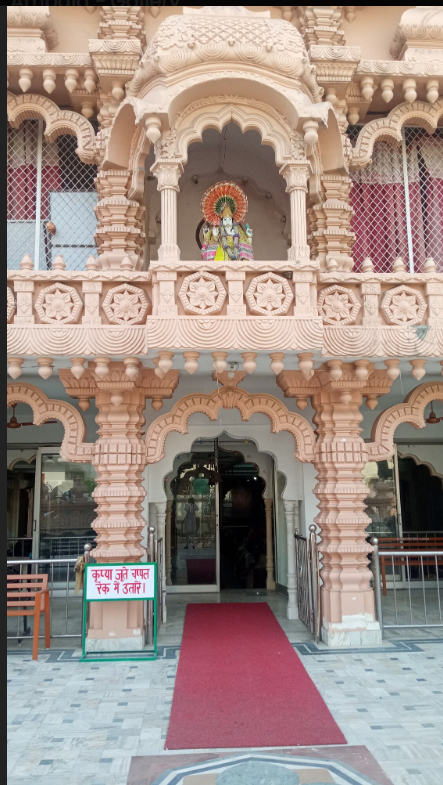
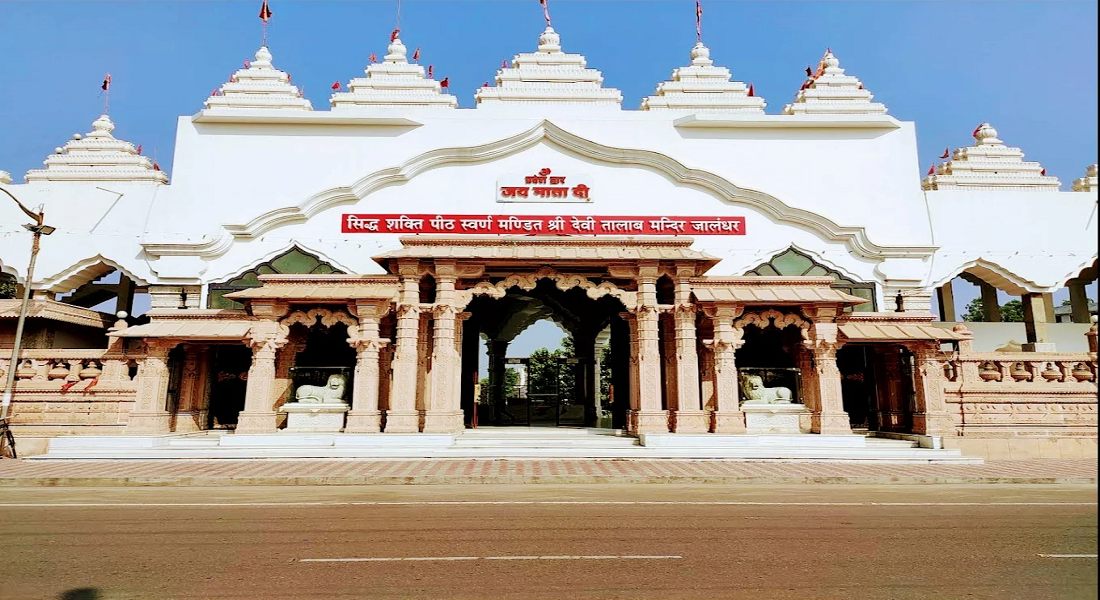
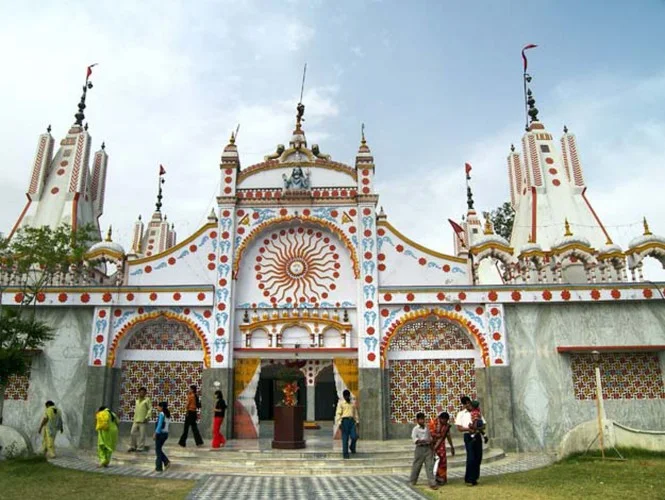
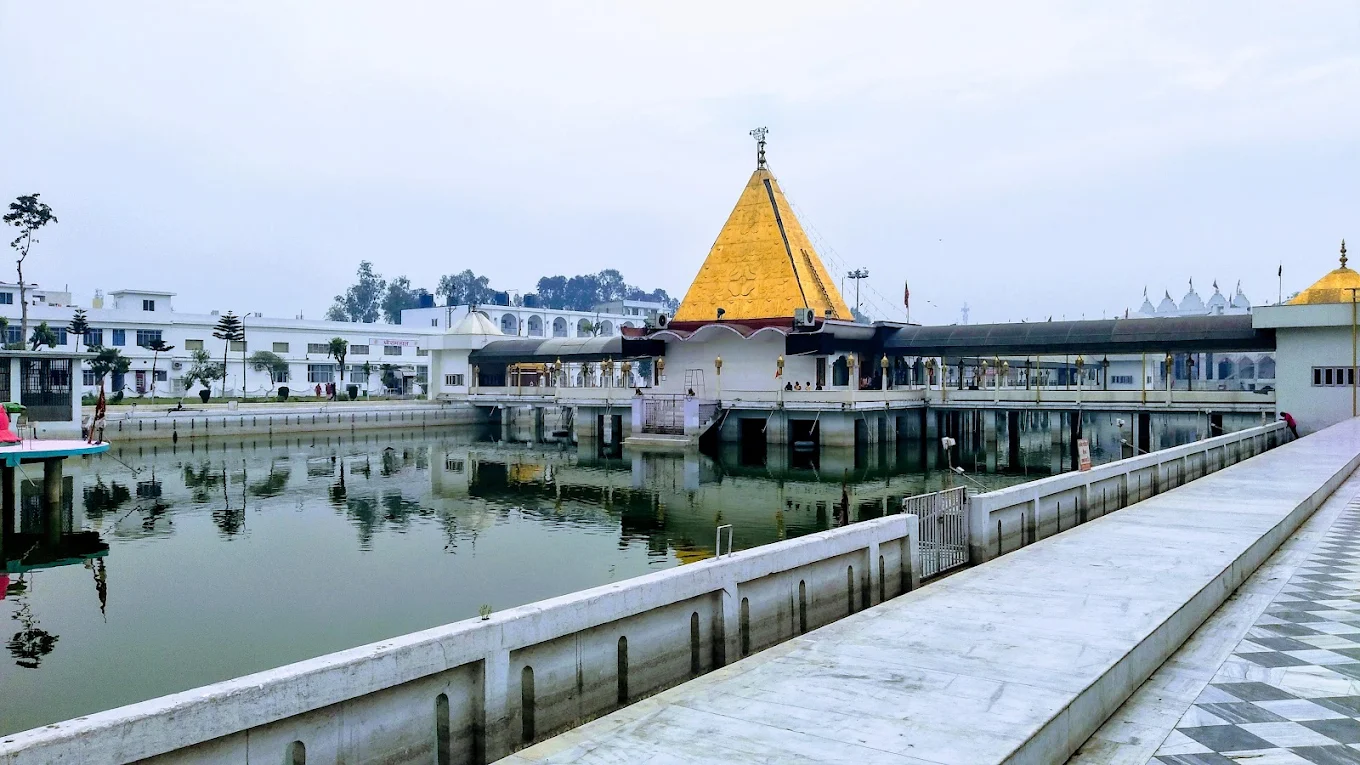
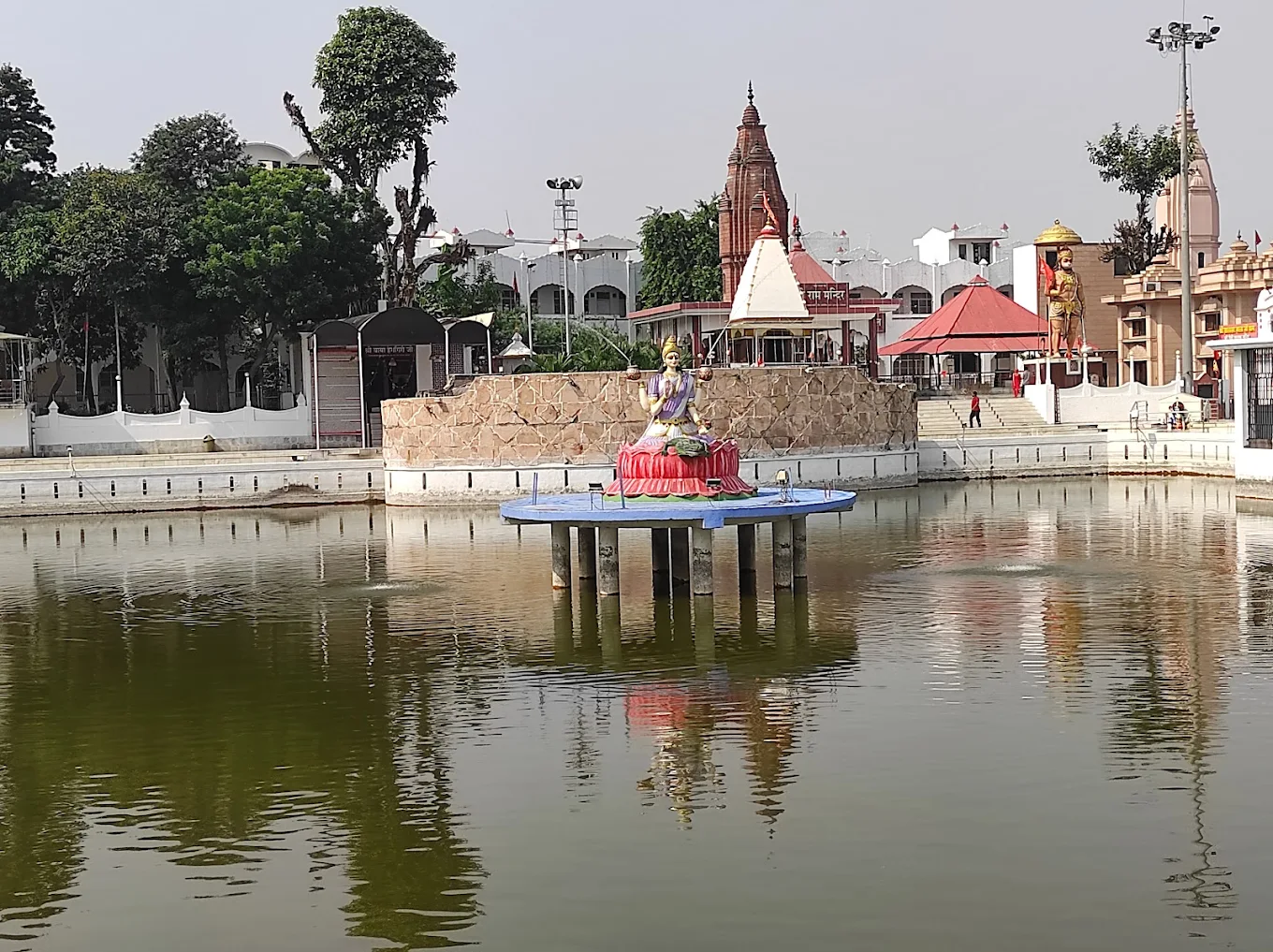
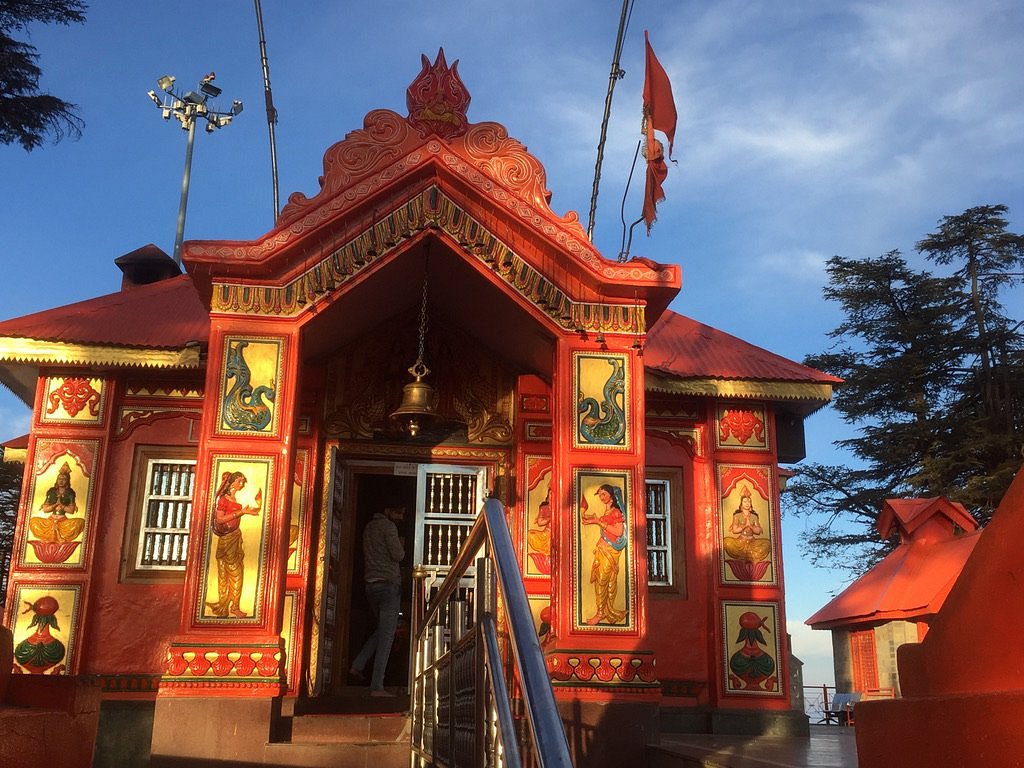
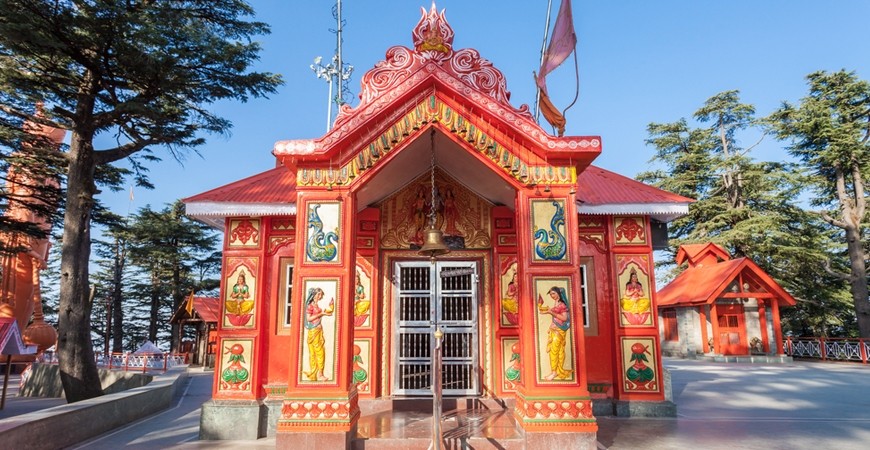
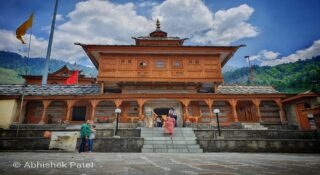
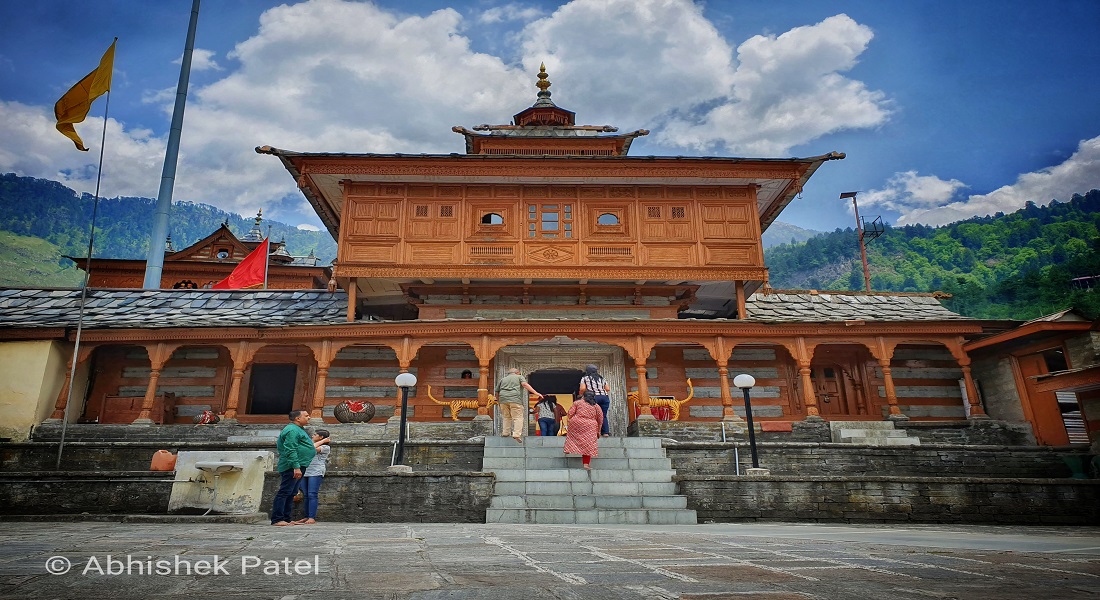
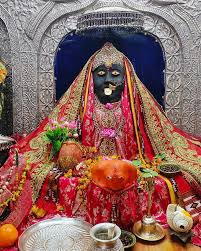
Mata Chinnamasta Devi Temple, also known as Maa Chinnamastika Devi Dham and popularly revered as Chintpurni, is one of the most ancient and powerful Shakti shrines dedicated to Maa Bhagwati Chinnamasta, a fierce form of the Divine Mother. The temple represents supreme sacrifice, compassion, and divine power and holds a very special place in Sanatan Dharma.
Location and Setting
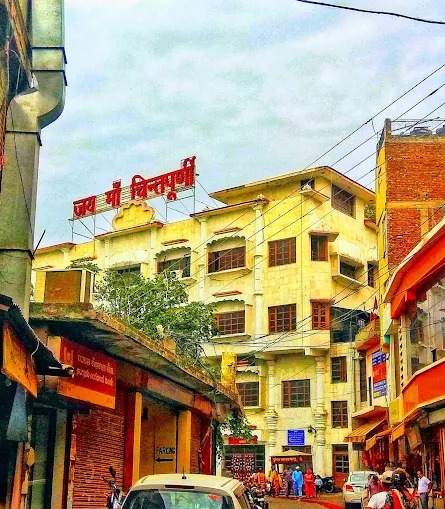
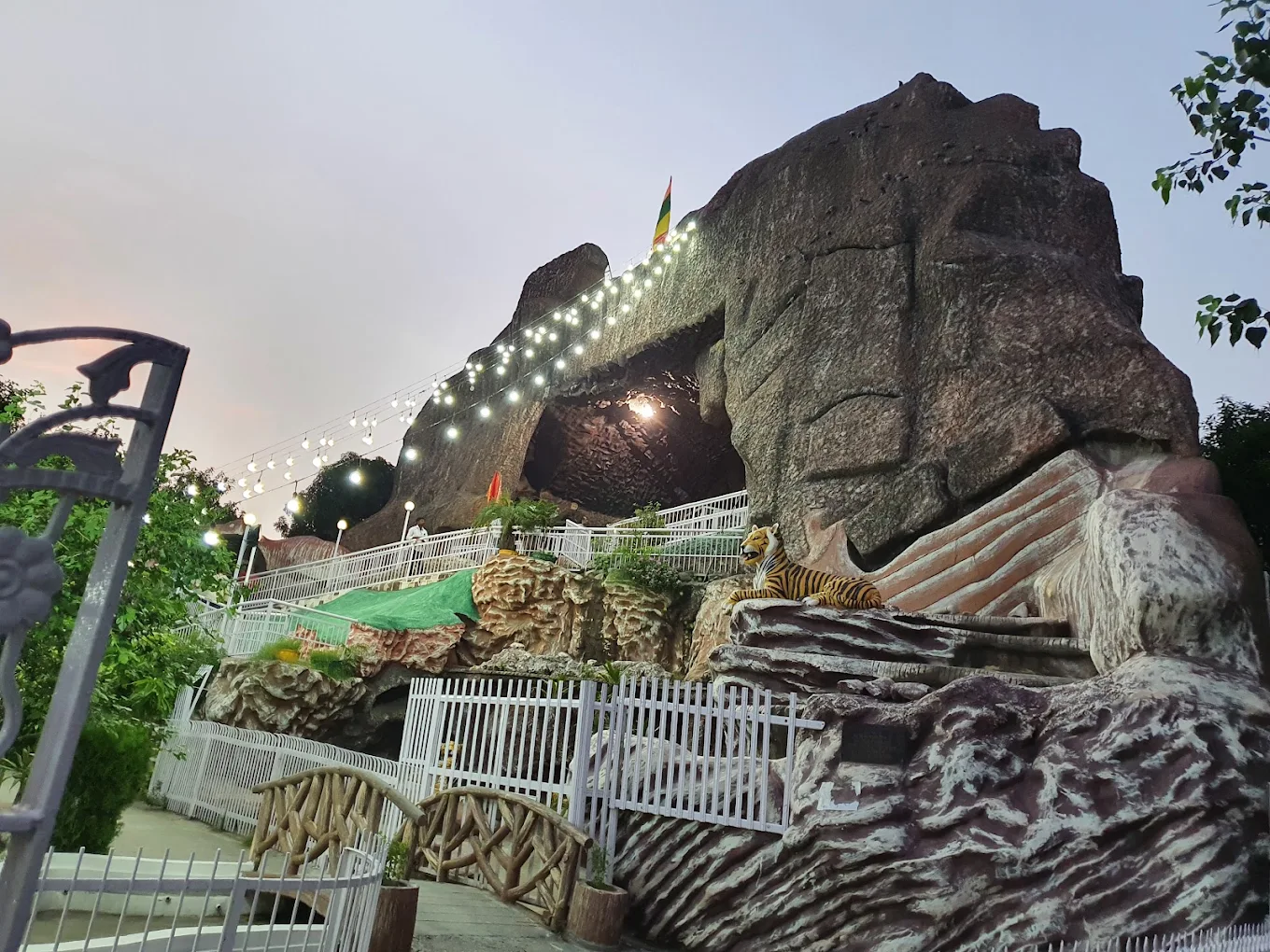
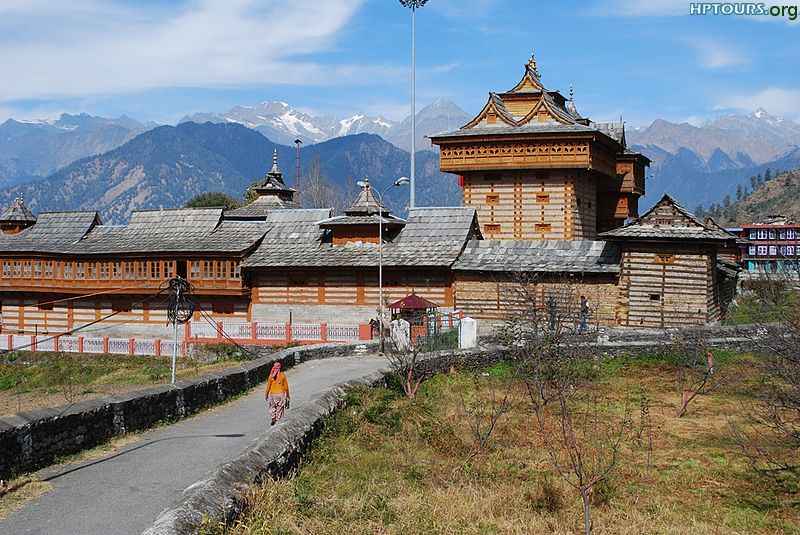
The temple is located in Chintpurni, in the Una district of Himachal Pradesh. Surrounded by hills and spiritual landmarks, the area is considered highly sacred. The temple complex is uniquely protected on all four sides by temples of Lord Shiva, fulfilling ancient scriptural beliefs.
Historical and Mythological Significance
According to the sacred text Shri Markandeya Purana, after a great battle in which Maa Bhagwati destroyed numerous Asuras, her two sahyoginis (companions), Jaya and Vijaya, who had drunk the blood of demons, remained thirsty for more blood. To quench their thirst, Maa Bhagwati severed her own head and fed them with her divine blood. From this supreme act of sacrifice, she came to be known as Maa Chinnamasta—where “Chinna” means without and “Masta” means head.
Ancient Granthas and Puranas also mention that Maa Chinnamasta’s Dham is always guarded by Lord Rudra (Mahadev) on all sides. True to this belief, the temple is surrounded by four Mahadev temples:
East: Kaleshwar Mahadev Temple
West: Narahna Mahadev Temple
North: Muchhkund Mahadev Temple
South: Shiv Bari Temple
Because of this divine protection, the site was declared Maa Chinnamastika Devi Dham.
Another important legend speaks of Pandit Mai Das, a great devotee of Maa Chinnamasta. Pleased with his devotion, the Goddess appeared before him and relieved him of all his worries. The place, earlier known as Chhabroh, became famous as Chintpurni, meaning “the one who removes worries.”
Religious Importance
Mata Chinnamasta Devi Temple is a highly revered Shakti Peetha where devotees seek relief from worries, fulfillment of desires, and spiritual strength. The Goddess is worshipped as a symbol of self-sacrifice, protection, and supreme compassion. Thousands of devotees visit the temple throughout the year, especially during Navratri, to seek the blessings of the Divine Mother.
Temple Accessibility and Pilgrimage
Chintpurni is well connected by road and can be easily reached from major cities of Punjab and Himachal Pradesh. The nearest railway stations and bus routes provide convenient access for pilgrims. The temple remains open throughout the year and receives a large number of devotees during festivals and special religious occasions.
Conclusion
Mata Chinnamasta Devi Temple stands as a powerful symbol of divine sacrifice, courage, and motherly love. Its deep mythological roots, sacred geography guarded by Lord Shiva, and centuries-old devotion make it one of the most spiritually significant temples in North India. The temple continues to inspire faith and devotion, reminding devotees that true divine power lies in compassion and selfless giving.


Leave feedback about this